EU Commission reveals major package to lower energy costs as Government under pressure to use it
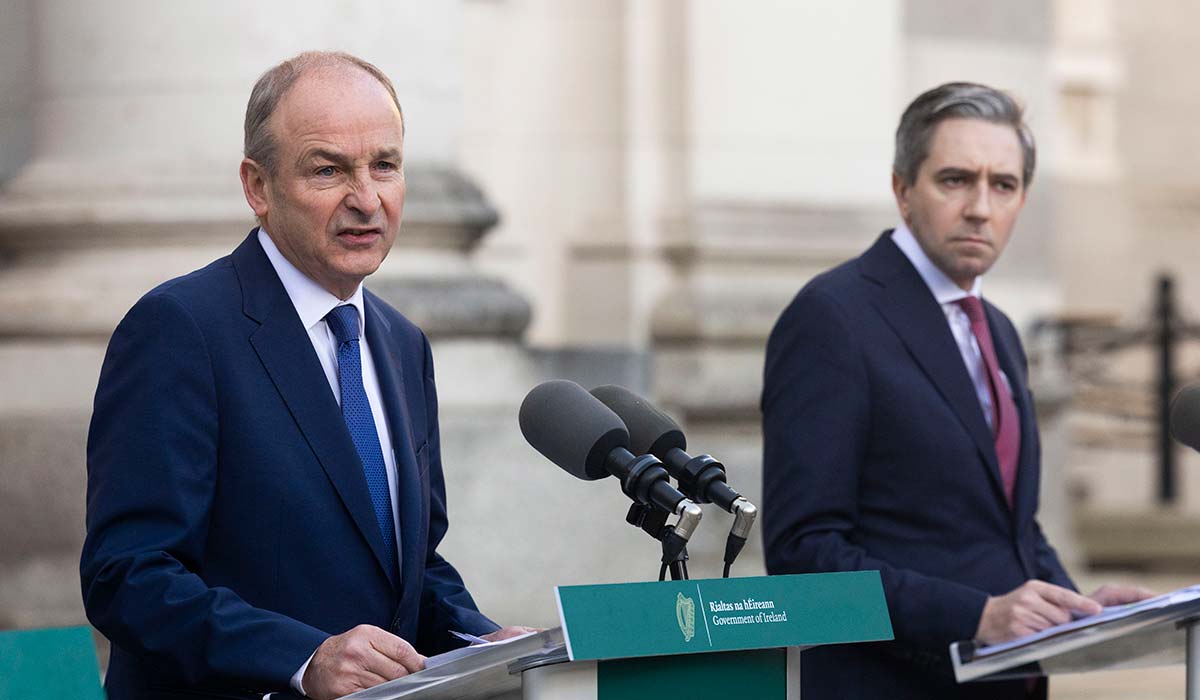

The Government is under mounting pressure to tackle the spiralling cost of living after the EU Commission announced plans for a major relaxation of state aid rules.
The EU move will enable countries to use public funds to tackle the short and medium-term impacts of the energy crisis caused by the ongoing war in Iran.
The Opposition urged the Government last night to ease the burden on the public, stressing that there was now ‘no excuse’ not to act.
The Commission’s plans come as the EU’s Energy and Housing Commissioner Dan Jorgensen said yesterday that even if a peace deal is reached between the US and Iran in the coming weeks, the oil price crisis could last for months – or even years.
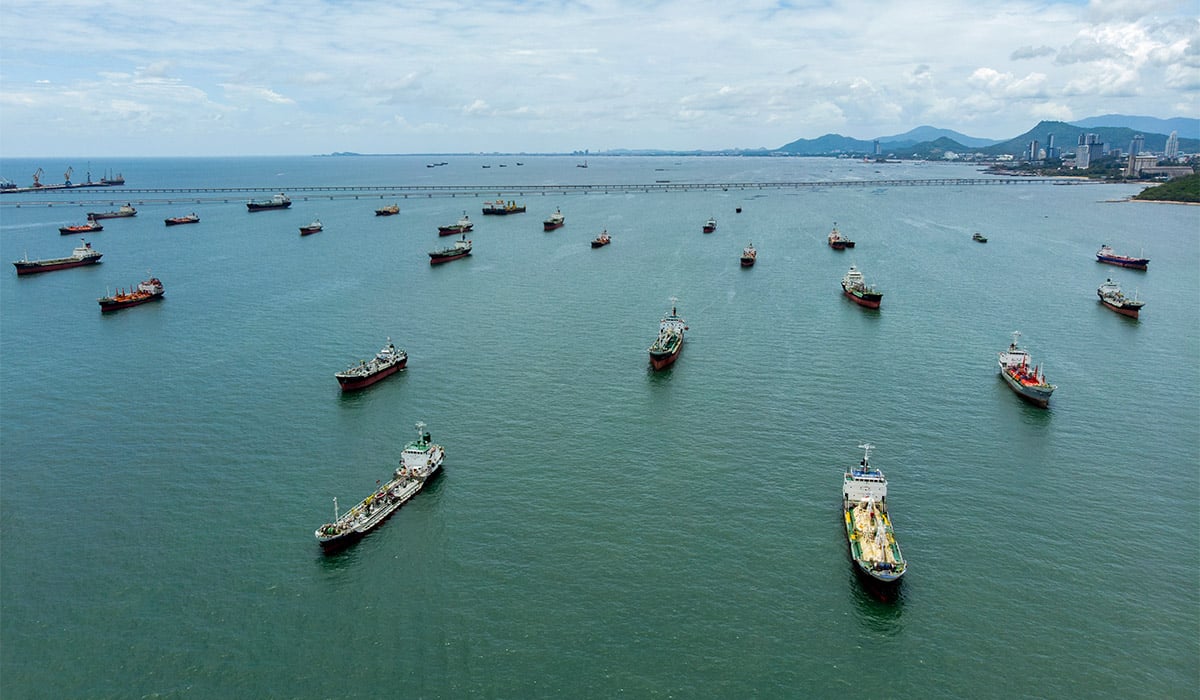
And it came as tensions in the Gulf showed no signs of easing, with Iran seizing two cargo ships and firing at a third in the Strait of Hormuz – even though US President Donald Trump had announced an extension to the ceasefire between the US and Iran.
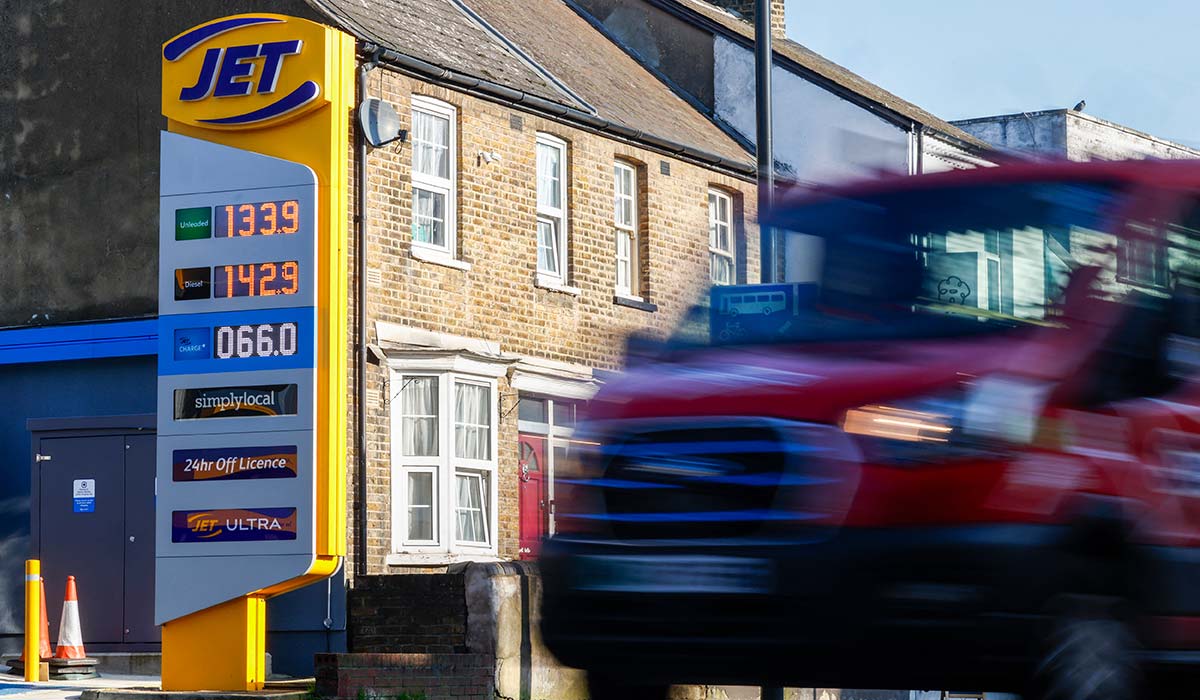
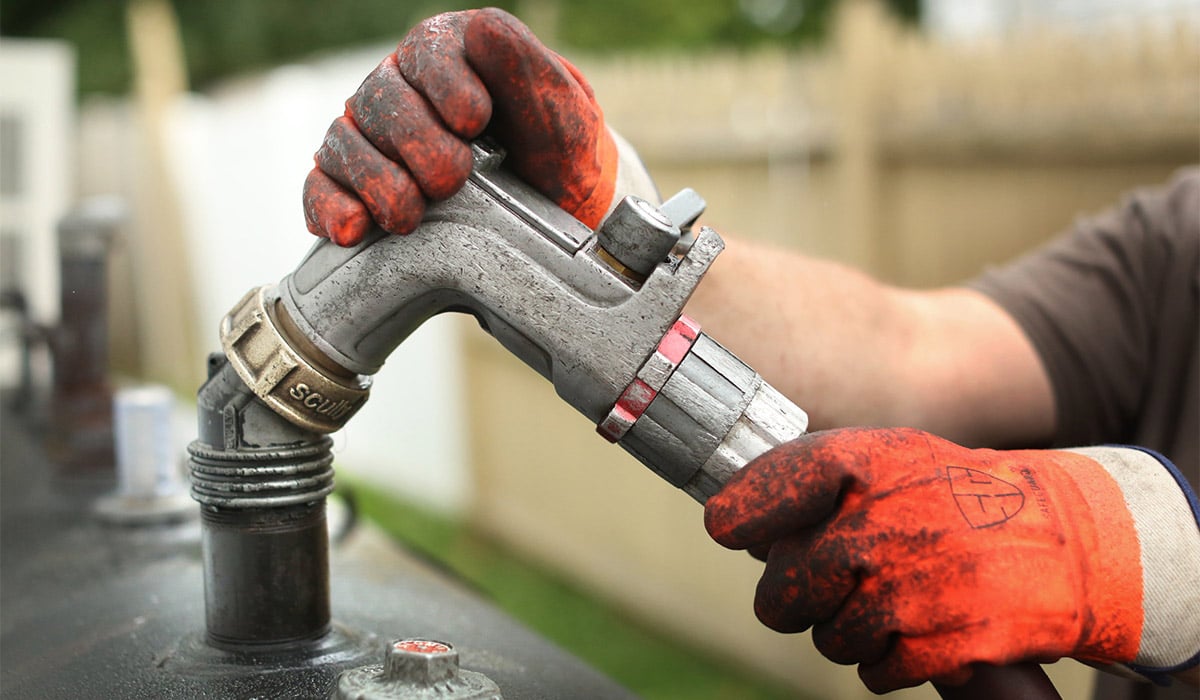
Last week, the Government signed off on a €500million package to offset rising energy costs, by cutting excise on petrol and diesel by 10 cents until the end of July, as well as a reduction of 2.4 cents on green diesel, following days of protests and blockades.
The new Accelerate EU strategy requires a derogation from the EU Commission, which has yet to be granted, but Government sources told Extra.ie it was done following ‘positive engagement’ with the Commission.
The plans announced yesterday include changing the rules so that electricity is taxed less than oil and gas in a bid to bring bills down and encourage a shift away from fossil fuels.
The Commission said it would temporarily waive state aid rules to soften the blow of high energy prices. These could include price controls, income support schemes, and tax incentives, and will be aimed at households, SMEs, and energy-intensive industries.
Member states will also be permitted to tax windfall profits on energy companies who are benefiting from the crisis.
Government sources insisted last night it was ‘too early’ to say what implications the proposals will have and that officials would carry out an assessment in the coming days.
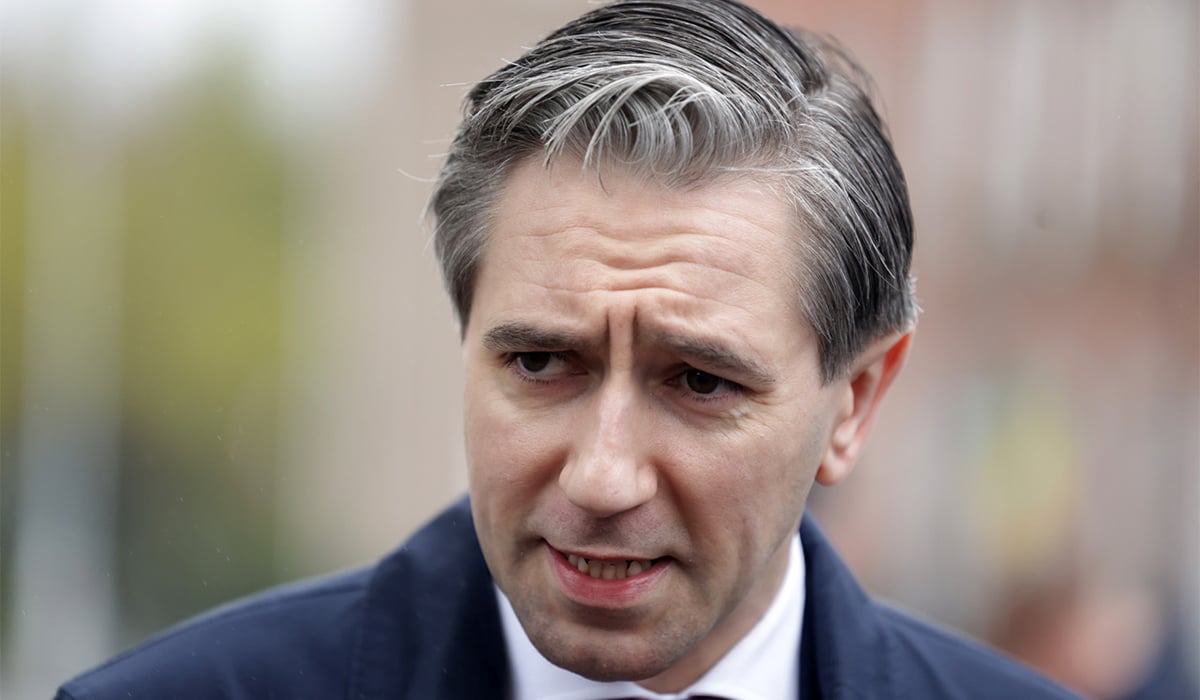
A spokesman for Tánaiste and Finance Minister Simon Harris said: ‘As a result of his initiative, Ireland has already engaged with the European Commission in relation to the Energy Tax Directive so that Irish businesses and families can avail of a lower excise rate.
‘The overall toolbox announced at EU level today will now be closely examined,’ he said.
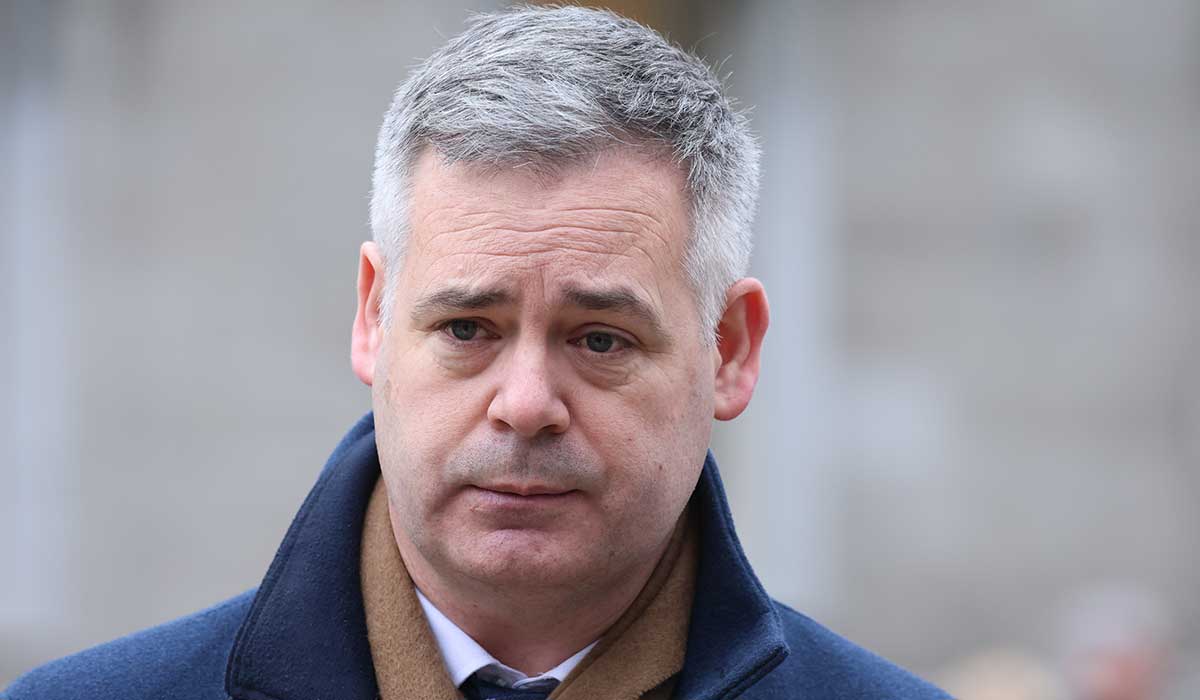
But Sinn Féin’s finance spokesman Pearse Doherty told Extra.ie that more needs to be done, saying: ‘The Government doesn’t need the EU’s permission to go further on diesel and petrol, and to reduce the price of home heating oil. But these light-touch proposals from the EU go nowhere near far enough in terms of giving more options to member states.
‘There is nothing meaningful about bringing down the cost of fuel. Member states should have been given the maximum flexibility to cut prices of energy for ordinary people.
‘Blame falls on the Government here, we know they did not request real powers such as the ability to cut VAT on energy. This is not going to cut it with the Irish people and many other people across Europe.’
Labour’s finance spokesman Ged Nash told Extra.ie that the Government has ‘no excuse’ not to enforce a windfall tax on the ‘likely super-normal’ profits of energy companies and distribute to people suffering from the spike in costs.
This could easily finance targeted energy credits for working households, for example,’ he said.
Mr Nash said that the EU has responded ‘quickly and effectively’ and it is now ‘over to Fianna Fáil, Fine Gael and the Independents to take the ball and run with it’.
‘They were quick to deliver a multimillion-euro package for certain sectors last week. PAYE workers just won’t wait, and they should not have to wait until October’s budget for respite,’ he said.
Fianna Fáil MEP for Dublin Barry Andrews agreed that the Commission’s plans did not go far enough, describing them as ‘inadequate’ and ‘fragmented’ and that they should have included a windfall tax to target the ‘excessive profits being earned by energy multinationals’.
‘Oil and gas companies pocketed over $30million extra every hour in the first month of the illegal Trump war against Iran, with the biggest winners Russian Gazprom and the US’s ExxonMobil. This is war profiteering and demands a political response,’ he said.
Taoiseach Micheál Martin is in Cyprus today for an informal meeting of the European Council to discuss the proposals.
Harris: Next budget will see tax breaks for squeezed middle
President of the Commission Ursula von der Leyen said that the AccelerateEU strategy will bring ‘both immediate and more structural relief measures’.
‘We must accelerate the shift to homegrown, clean energies. This will give us energy independence and security, and mean we are better able to weather geopolitical storms,’ she said.
The EU’s Energy and Housing Commissioner Mr Jorgensen said the effects of the US-Iran conflict means ‘we are looking into some very difficult months, or maybe even years’.
He added: ‘Take Qatar. It may take two years to rebuild its gas and transportation structure. It means that the world market for LNG [liquefied natural gas] prices will not stabilise or even fall as was expected in the next couple of years.’