


Minister for Foreign Affairs, Helen McEntee, has issued an update on the two Irish people on board a virus-hit cruise ship.
Three people in total have died linked to an outbreak of hantavirus on the MV Hondius.
The outbreak has been connected to a birdwatching expedition in Argentina, which two of the passengers went on before boarding the ship.

Speaking in County Armagh on Friday, Helen McEntee said: ‘In terms of the two Irish passengers, I am pleased to say that they are safe and well.’
She said her team has been ‘engaging directly with them’, and also with the Health Service Executive (HSE) to see what measures ‘would need to be taken when they do get home’.
She added: ‘But obviously the priority is to make sure that they can get home as quickly as possible, and we’re working with them and engaging with them.’

It is a ‘very difficult situation’ for the families of those who have died, Ms McEntee said ‘and for all of those on board’.
The boat left Cape Verde on Wednesday and is expected to arrive at a port in Tenerife in the early hours of Sunday, but this is subject to change.
Experts believe the incubation period for the virus in the human body can extend to six weeks.
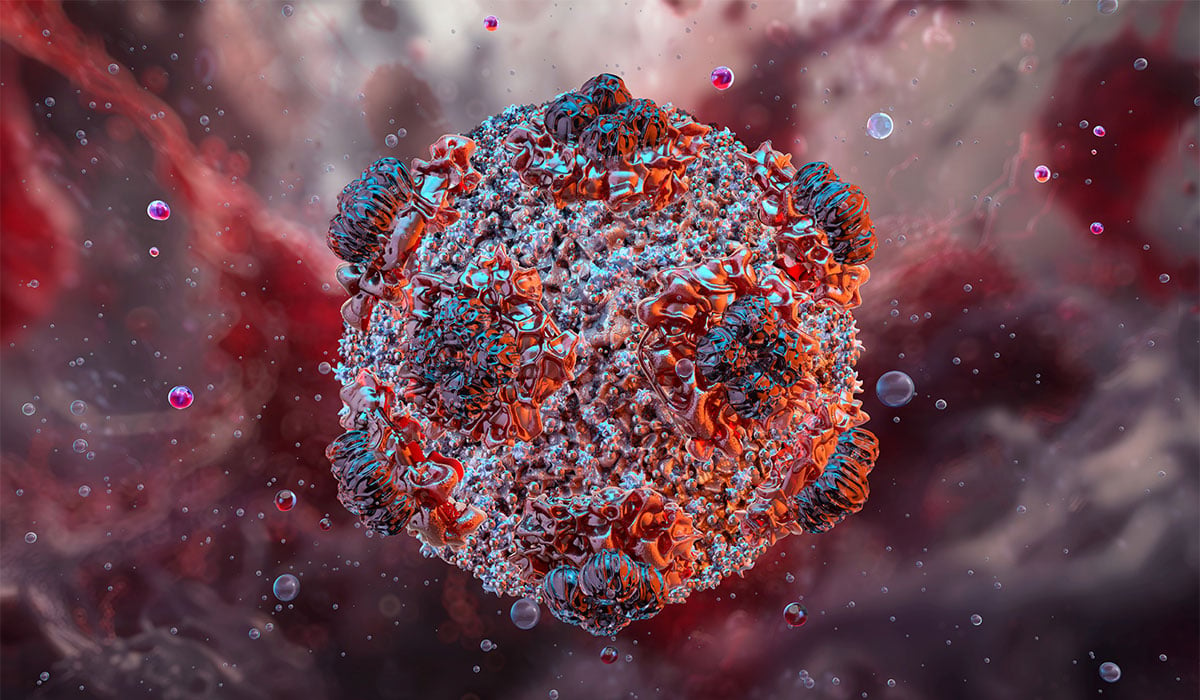
The World Health Organisation (WHO) is not expecting the outbreak to be an epidemic.
Ms McEntee was responding to questions following a meeting of the North South Ministerial Council.
She and other leaders were asked if there will be more of a cross-border response to diseases such as hantavirus.

Northern Ireland’s deputy First Minister Emma Little-Pengelly said viruses ‘don’t respect borders’.
‘I think that it is logical that we do have that co-operation, that we do improve in relation to those communications,’ she said.
She said regardless of unionist or nationalist positions ‘where it is practical, we should co-operate’.
‘Where it is actually about the protection of our citizens, of course we should co-operate and that’s why we should build those good relationships.’
Taoiseach Micheal Martin said: ‘It’s imperative that public health officials have good relationships and, thankfully, public health officials on both sides of the border have very good relationships.’