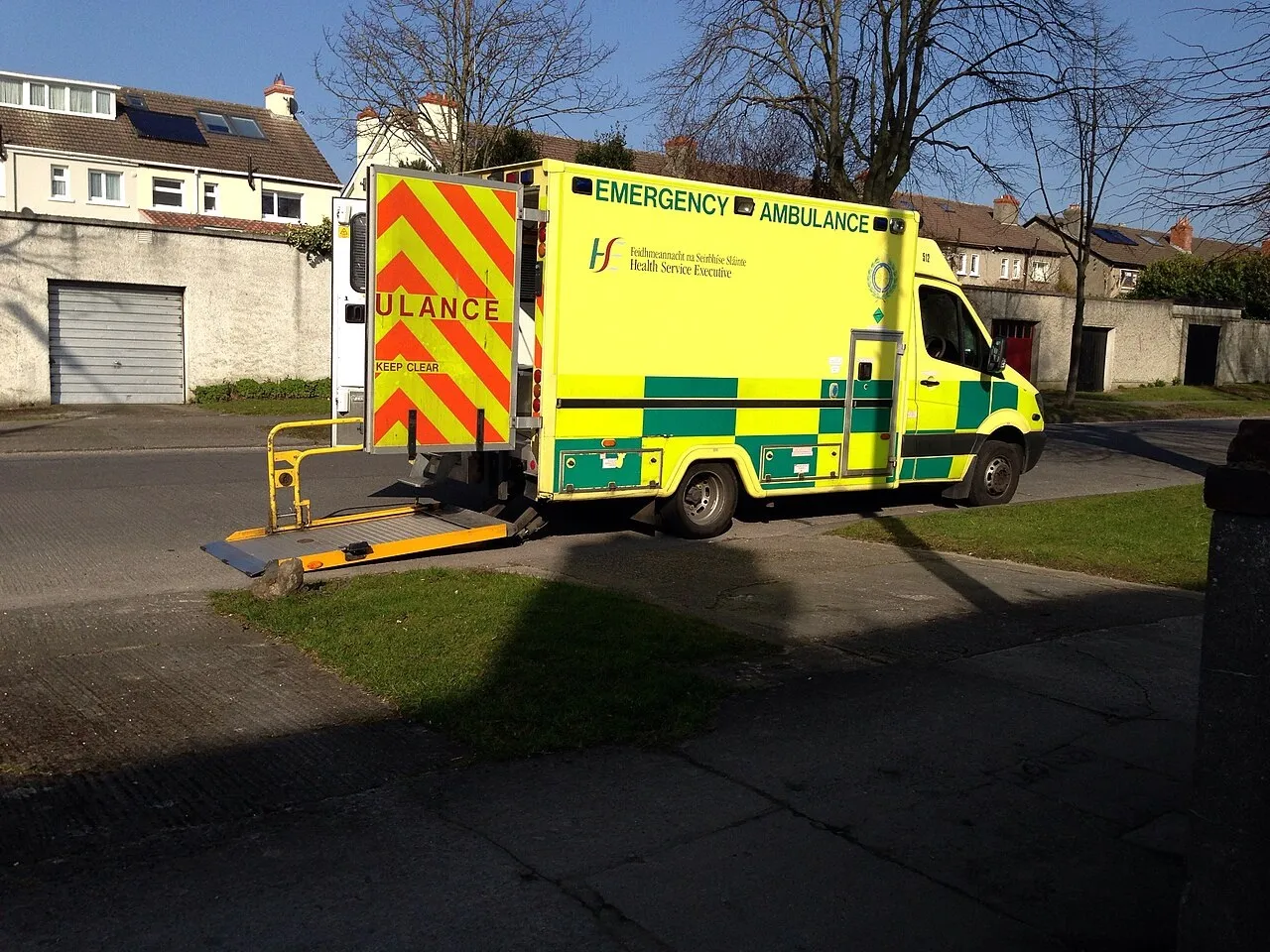

Ambulance service strike action is set to take place next month after unions representing staff in the National Ambulance Service (NAS) overwhelmingly voted in favour of industrial action in an ongoing dispute with the HSE.
Members of both SIPTU and Unite the Union have backed strike action, citing a failure to implement recommendations from a 2020 independent review into roles and responsibilities within the service.
Strike dates confirmed
SIPTU confirmed that around 2,000 members across the country will take part in a series of escalating actions.
The planned schedule includes:
- A 24-hour strike on May 12th
- A 48-hour strike beginning May 19th
- A 72-hour strike beginning May 26th
Further strike action is also planned for June.
In addition, a work-to-rule will begin on May 11th, with staff refusing to cooperate with new procedures or changes.
The dispute involves Emergency Medical Technicians, paramedics, advanced paramedics, specialist paramedics and supervisory staff.
Dispute centres on pay and recognition
According to SIPTU, the ambulance service strike action stems from long-standing concerns about pay and conditions.
Union organiser John McCamley said staff salary scales have not been updated to reflect increased responsibilities over the past two decades.
“The Independent Review of Roles and Responsibilities report, published in May 2020, was to address these ongoing changes, including updating salary scales. To date, its recommendations have not been implemented,” he said.
McCamley added that ambulance personnel now deliver a far higher level of pre-hospital care than in the past, with significantly expanded clinical responsibilities.
Unite backs action over “six-year delay”
Unite also confirmed that its members in the NAS have voted overwhelmingly for industrial action.
General Secretary Sharon Graham described the delay in implementing the review as unacceptable.
“It is scandalous that frontline healthcare workers who save lives every day should be waiting six years for their skills and expertise to be recognised,” she said.
Unite regional officer Eoin Drummey said ambulance staff have been left with no option but to act.
“Ambulance staff have waited long enough for recognition and respect. If management wants to avoid industrial action, they need to stop dragging their feet and engage meaningfully with unions,” he said.
Growing pressure on HSE
Both unions are calling on the Health Service Executive to implement the 2020 review recommendations without delay.
They argue that ambulance staff now operate in a highly skilled, autonomous and often hazardous environment, delivering complex and lifesaving care.
The ambulance service strike action is expected to place further pressure on health services if a resolution is not reached in the coming weeks.
For the latest Waterford News and Sport, tune into WLR News on the hour and download the WLR App for news on demand.