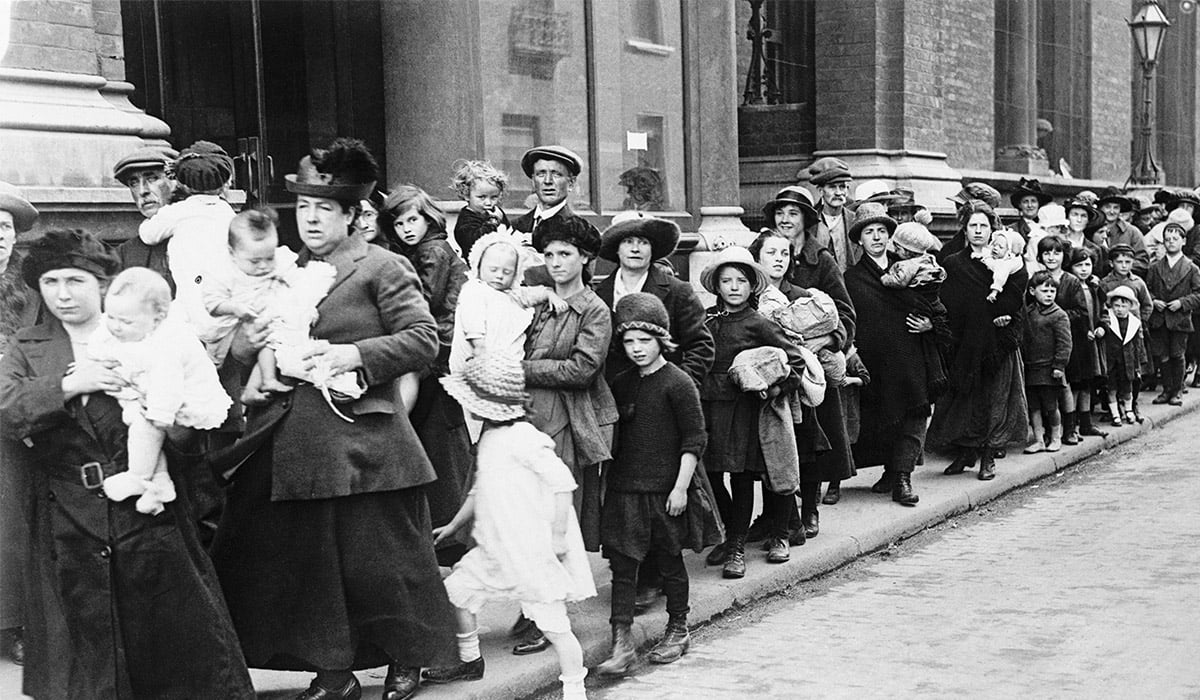

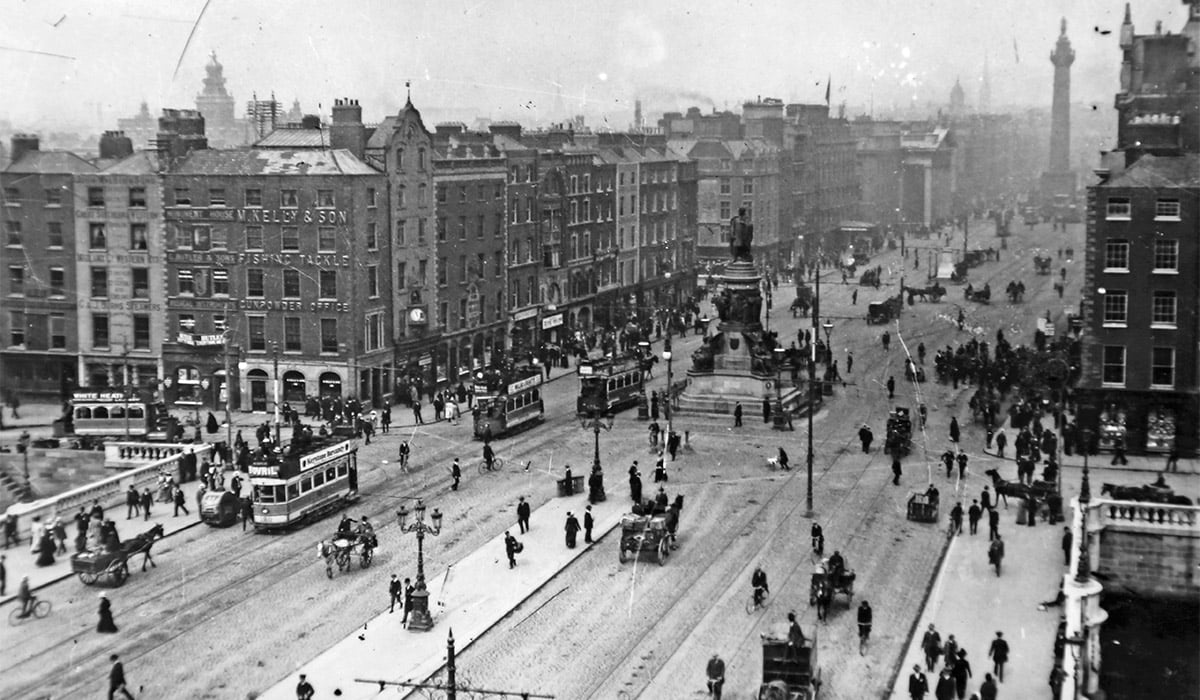
A hilarious glimpse into Irish life almost a century ago is doing the rounds online this week, after a viral TikTok post resurfaced a particularly iconic entry from the newly released 1926 census.
Shared by genealogy creator @danielloftusgenealogy, the clip highlights a screenshot originally posted on X by user @helllolucy.
And honestly, it’s the kind of historical detail that proves Irish humour has always been alive and well.
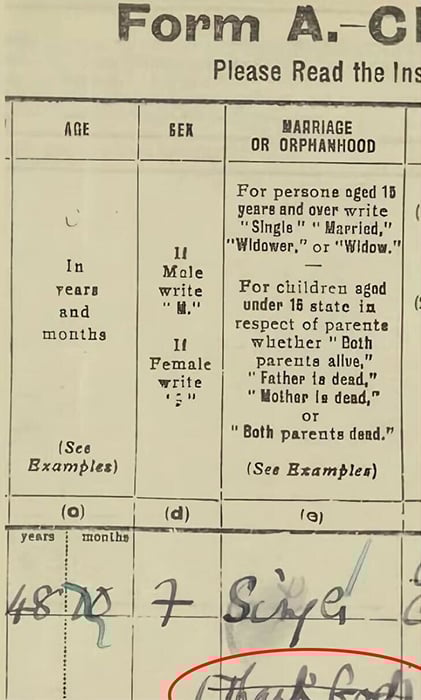
The image shows a census form with a standout response under the ‘Marriage or Orphanhood’ column.
Instead of the standard ‘single,’ ‘married,’ or ‘widowed,’ one person took a slightly more expressive approach, writing: ‘Single (Thank God).’
The original tweet summed up the mood perfectly, captioned: ‘Okay this baddie on the 1926 census thoughhhh slay.’
Naturally, the internet wasted no time jumping in, with people sharing their own favourite unintentionally funny family records and census quirks.
One person wrote: ‘My great great grandmother was listed as a spinster on her marriage certificate… at 21.’
Another added: ‘Someone had a sense of humour back then.’
Others shared equally chaotic census gems, including: ‘my aunt never married on the census she’s a widow she was 4 in 1926.’
And perhaps the most fitting tribute to the mystery author: ‘What a legend she is even in 1926 she knew staying single was better.’
Lamplighters and rabbit trappers are among the forgotten professions uncovered in Ireland’s newly released 1926 Census records.
The landmark census, the first ever conducted by the Irish Free State, went live online over the weekend with the National Archives reporting that it received 4 million hits in the first 12 hours alone.
While thousands of Irish people have been using the records to trace their family trees, the census has also shone a light on a working Ireland that has all but vanished.
National Archives director Orlaith McBride said the team was fascinated by the range of trades that no longer exist.