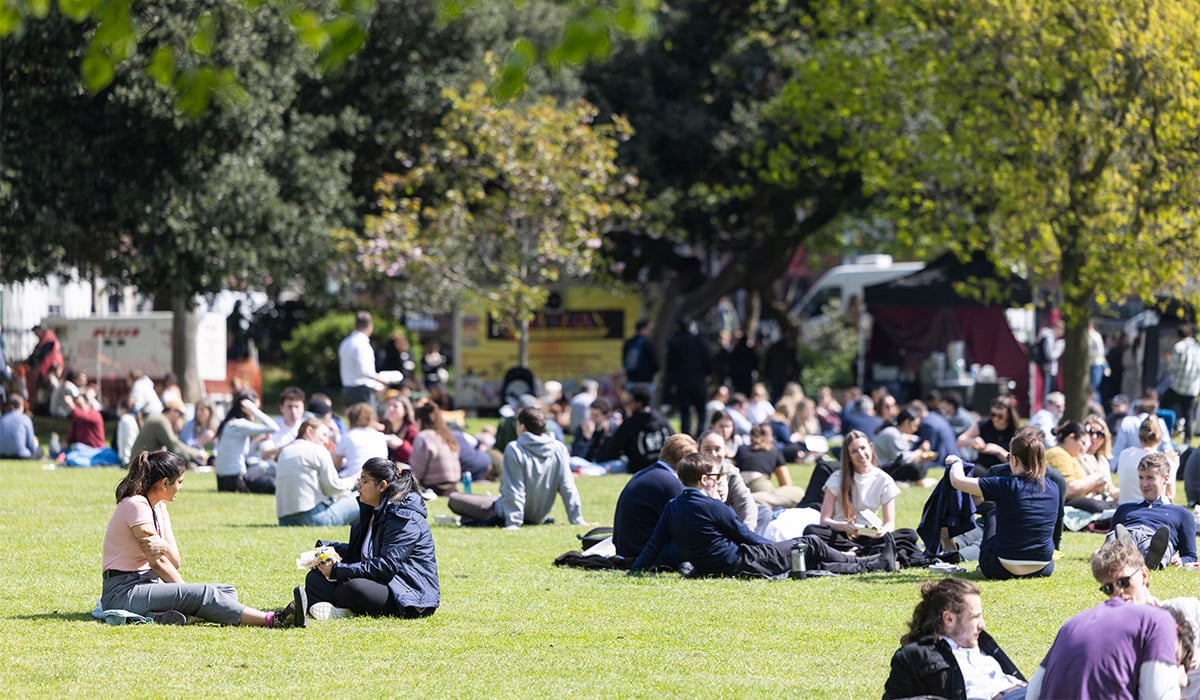


With David Attenborough reaching his milestone 100th birthday, many fans around the world are sharing their favourite memories of the broadcaster.
Sir David reached his milestone birthday on Friday (May 8), with many sharing their favourite memories of the conservationist/broadcaster, known for some of the most loved and acclaimed nature documentaries ever.
Back in 1980, David appeared on the Late Late Show, where he and then-host Gay Byrne discussed nature. Gay asked whether the things he’d seen while filming his documentaries had increased or decreased his belief in God.
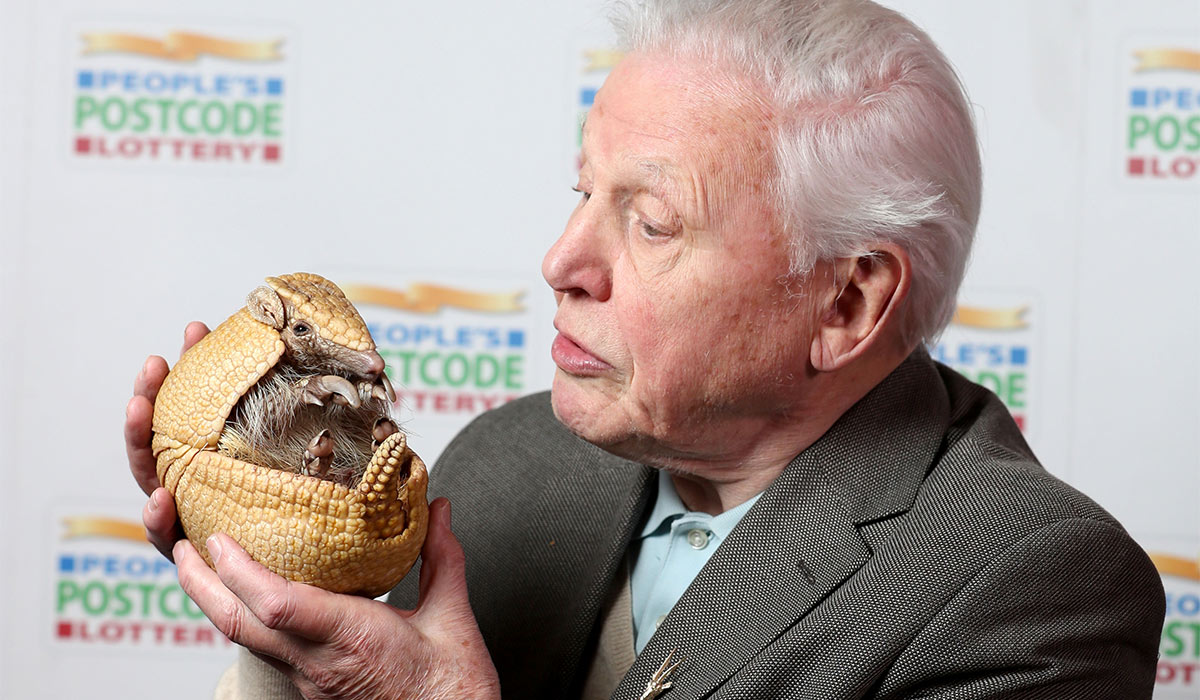
‘It increases immeasurably, one’s measure for life,’ he told the host. ‘You know, G-O-D is a very short word, but a very, very complex subject.’
‘I think that man uses different kinds of languages to think about his environment. Science is one kind of language; religion is another.’
‘You get into terrible trouble if you take a sentence from one, and put it in the paragraph of another,’ he continued. ‘Religious people would think me absurd if I said I didn’t believe in God, because I haven’t found his fossilised bones.’

‘I think it’s verging on the absurd, if people say to me: ‘Science must be wrong because we know that the world was created in seven days,’ because they are two different kinds of languages.’
David added that while God is a part of a ‘philosophical’ language, his time going around the world filming his numerous documentaries left him with breathless awe.’
‘I take that to be something to do with religion.’
Born in Isleworth, Middlesex, in 1926, David joined a fledgling BBC in the 1950s.
Of course, his nature documentaries are what he’s best known for, including Life on Earth, The Blue Planet, and Planet Earth, filmed using new technologies and innovations once thought impossible.
Through his personal narration, millions of us came to understand that planet Earth was not just a beautiful place to be, but also the setting for human life and, in fact, a living, fragile miracle.
He also wrote many bestselling books, which have been translated into several languages.