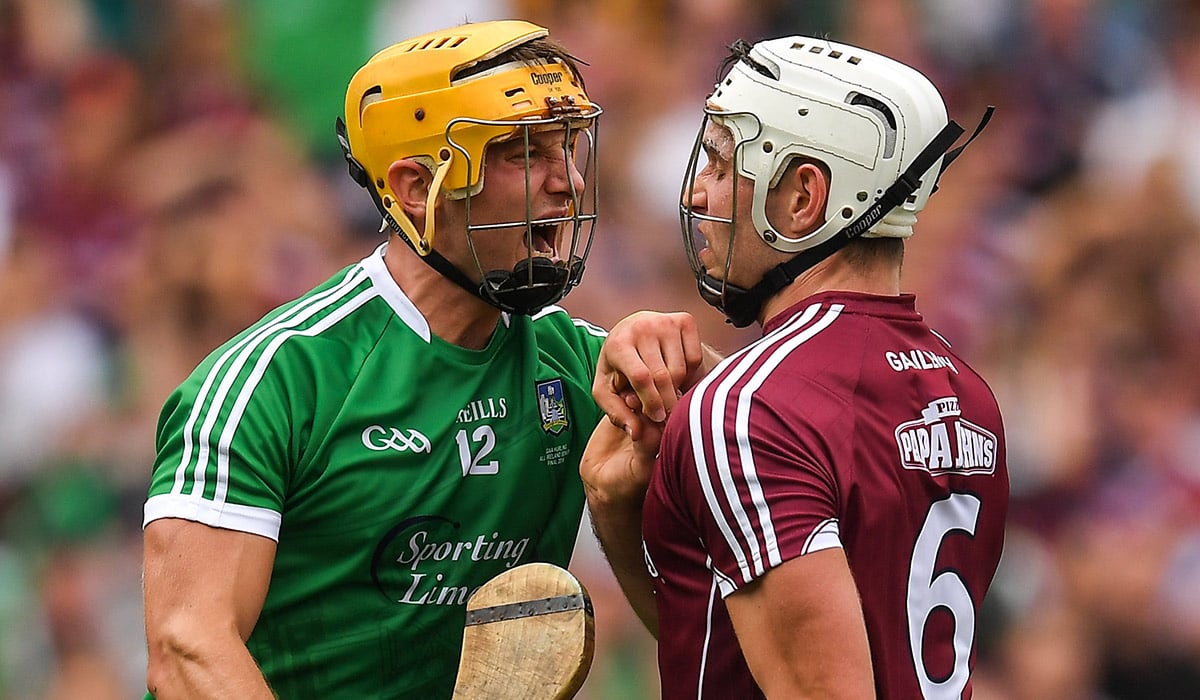

We sometimes stand accused of using overblown language to describe what is a pastime.
Sport isn’t a matter of life and death. The allegation can seem reductive at times. But in other contexts, the only possible plea is guilty. To describe a hurling final as a battle, or to portray two teams going to war, is especially overwrought when actual war has intervened in the playing of a hurling final.
The 1923 All-Ireland final between Galway and Limerick was the first of three previous meetings between Sunday’s combatants (see, there we go again). That final wasn’t played until September 1924 on account of the Civil War. It was due to be played in June of ’24, but the Limerick players refused to fulfil the fixture.
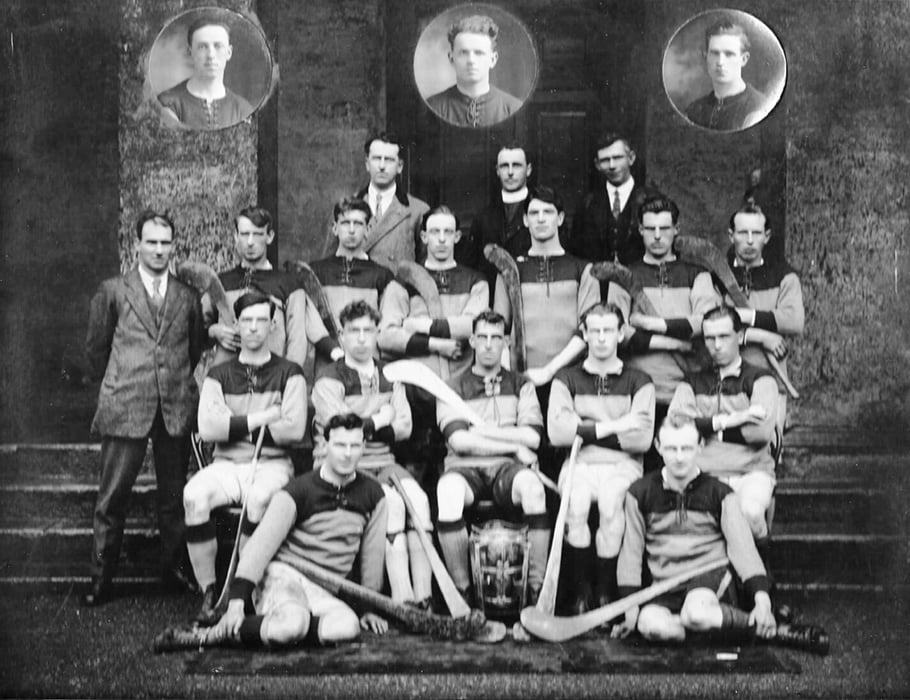
They were protesting the ongoing internment of anti-Treaty IRA members, a pungent reminder that sport and politics have been mixing in this country for many generations.
The disruption to the running of the GAA provides a useful, highly localised example of how the Civil War disrupted everyday life: Limerick had won the 1921 All-Ireland and became the first team to be awarded the MacCarthy Cup — but the final was played in March 1923.
When the 1923 final was eventually played, The Tribesmen won on a 7-3 to 4-5 scoreline, recording the first of their five All-Ireland victories.
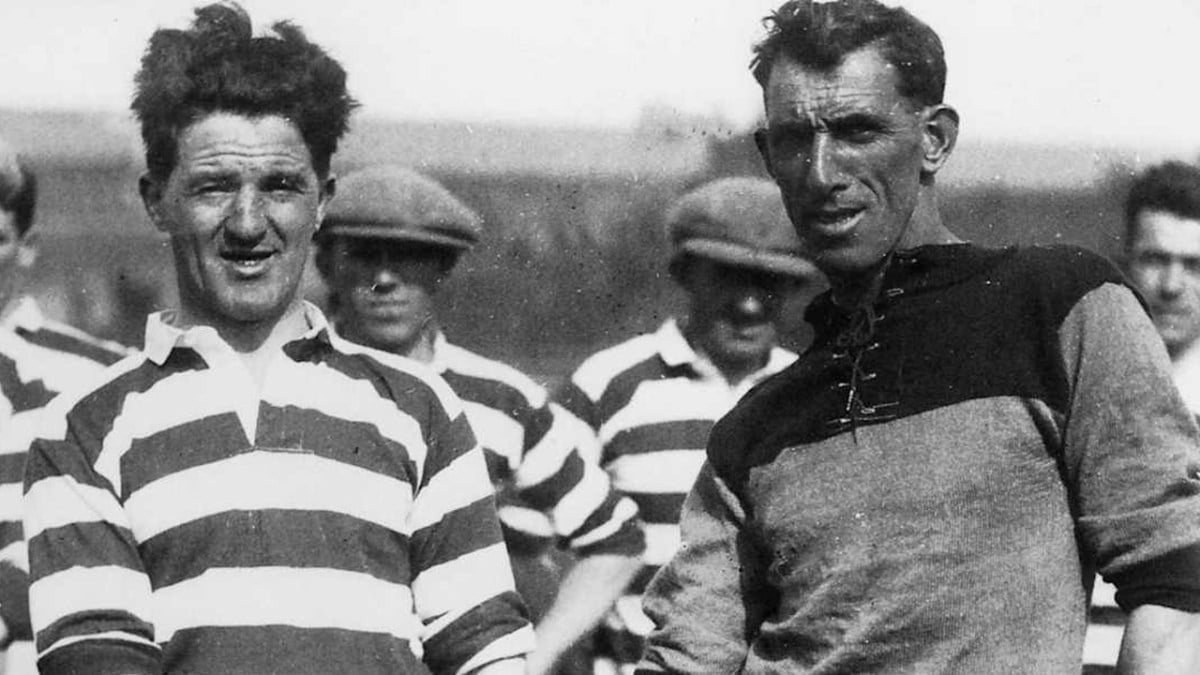
The other two final meetings between them and Limerick were much less convulsive but were enormously significant within sporting parameters. Galway would wait 57 years for a second All-Ireland title, and it arrived on a famous September day in 1980 against a fancied Treaty team.
Limerick were an experienced group, with a handful of survivors from the side that had won the 1973 All-Ireland. But their status as favourites was also a result of the record that clanked behind Galway into that decider.
They had lost nine finals since the win in 1923, the most recent coming in 1979. Before there was Mayo football as a sorrowful saga of want and unfulfilled expectations, there was Galway hurling.
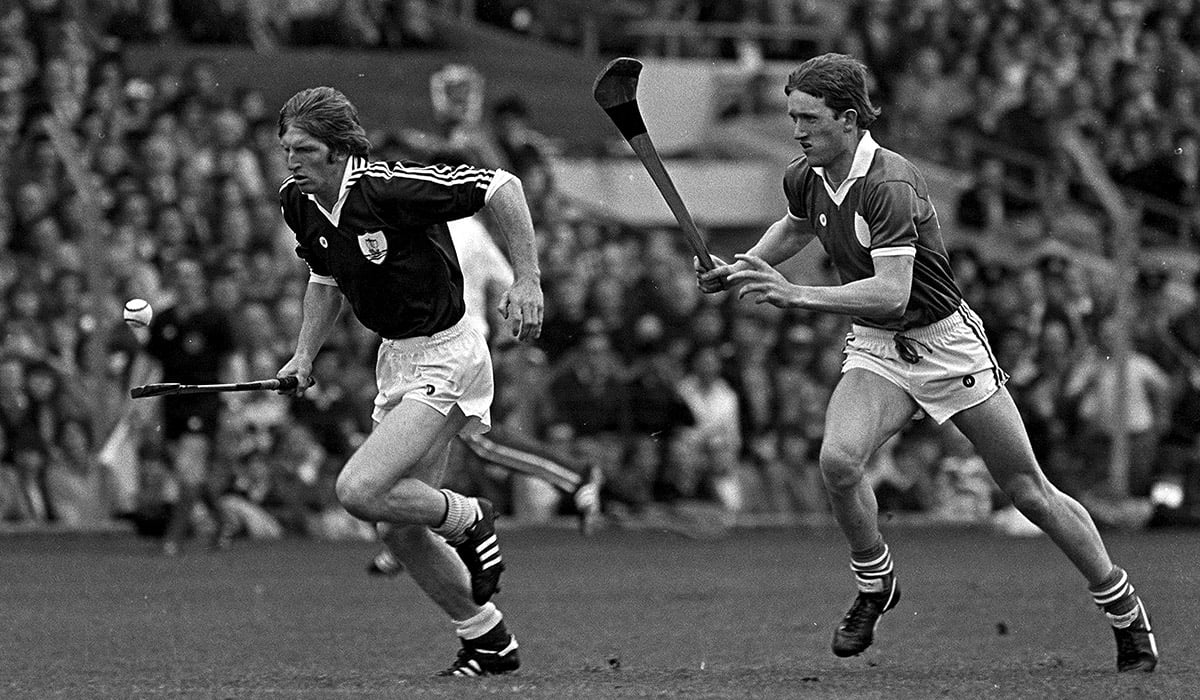
That is what made the breakthrough on that soft day in early autumn so memorable — that, and the tremendous scenes on the steps of the Hogan Stand. The Tribesmen were captained by the mighty Joe Connolly, just 24 but asked to captain the side by Cyril Farrell, who was wowed by his leadership.
The rest of the country and the wider world got a fair idea of what had impressed Farrell when Connolly took the microphone for his acceptance speech. He delivered it almost entirely in Irish, his first language, an emotional ode to his county and the Galway diaspora scattered across the world.
In conclusion, he declared, paraphrasing a famous line delivered by Pope John Paul II on his visit to Ireland a year earlier, ‘People of Galway, we love you!’
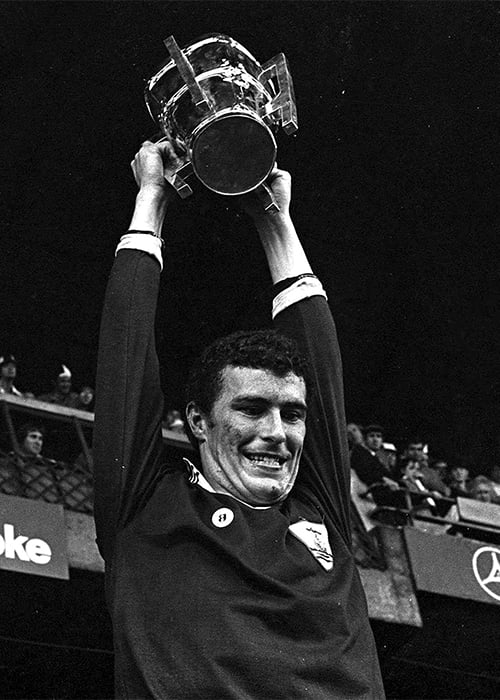
The day concluded on a note of almost perfect poignancy with the late Joe McDonagh, a member of the panel, delivering a verse of The West’s Awake.
Connolly remains a remarkable man, one of the outstanding figures in GAA history, and his memories of the day delivered 40 years on were almost as stirring as the events themselves. ‘There was a bit of the risen people about it,’ he told GAA.ie in 2020.
‘I always think of Galway in relation to that. The way that a people, who had been defeated decade after decade with extraordinary hard luck stories through a lot of the 1940s and 1950s especially, that finally our day had come.
‘It was completely about winning an All-Ireland and finishing the famine.’ And the famine was definitively over: Galway would contest a further five finals in the 1980s, winning two more. They became one of the stories of the decade, not just in sport but in what they represented in a country riven by emigration.
Gerry McInerney would famously return from working in the US to star in Croke Park, wearing white boots that were like a statement from another galaxy. ‘It still resonates, absolutely, being of the west,’ said Connolly all those decades on, ‘basically and utterly in what we’re about.
‘Being the men of the west, I think we are unique that we are the only county in Connacht that can take on the others and I think it’s a huge thing.’
They continue to carry the hurling fire west of the Shannon, and in 2017 they ended a 29-year wait with the county’s fifth win. But a year later it was their turn to come out the wrong side of a decider laden with historic significance.
The Connacht side were defending their title, and it was Limerick wading through the tides of history.
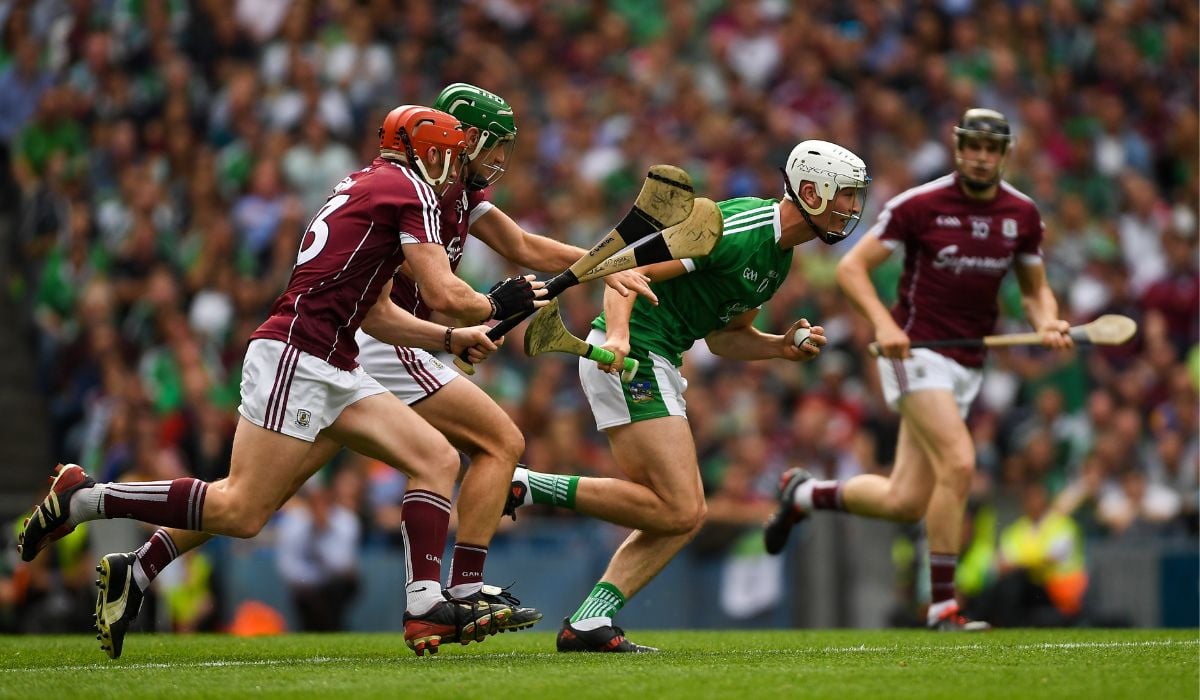
John Kiely was in his second season and the timing of a driven manager, a brilliant coach in Paul Kinnerk and an uncommonly talented generation of players coming together promised to bear the richest fruit.
And with three minutes remaining in that final, they looked good to deliver it. They led by eight points after surviving a scare at the start of the fourth quarter, and when Shane Dowling scored Limerick’s third goal in the 68th minute, the game looked done. Then came a rapid response from a desperate Galway, with Conor Whelan getting their first goal of the match a minute into time added on.
After Nickie Quaid fouled the ball on the ground, Joe Canning stood over a free and despite five Treaty men on the line, he whizzed the sliothar into the roof of the net from just outside the 20m line.
The gap was down to two as the clock ran into its 75th minute; eight additional minutes had been signalled. Niall Burke and Graeme Mulcahy swopped points before Canning landed a 65.
The umpire waved the flag and the clock read 78.08. There was time for one more play, and when desperate Limerick defence gave up a foul just outside the 45, Canning addressed the ball.
He had a free to tie the game, but his shot from over 80 metres fell short of the target. Limerick cleared the danger, the last whistle sounded and it heralded the start of an empire.
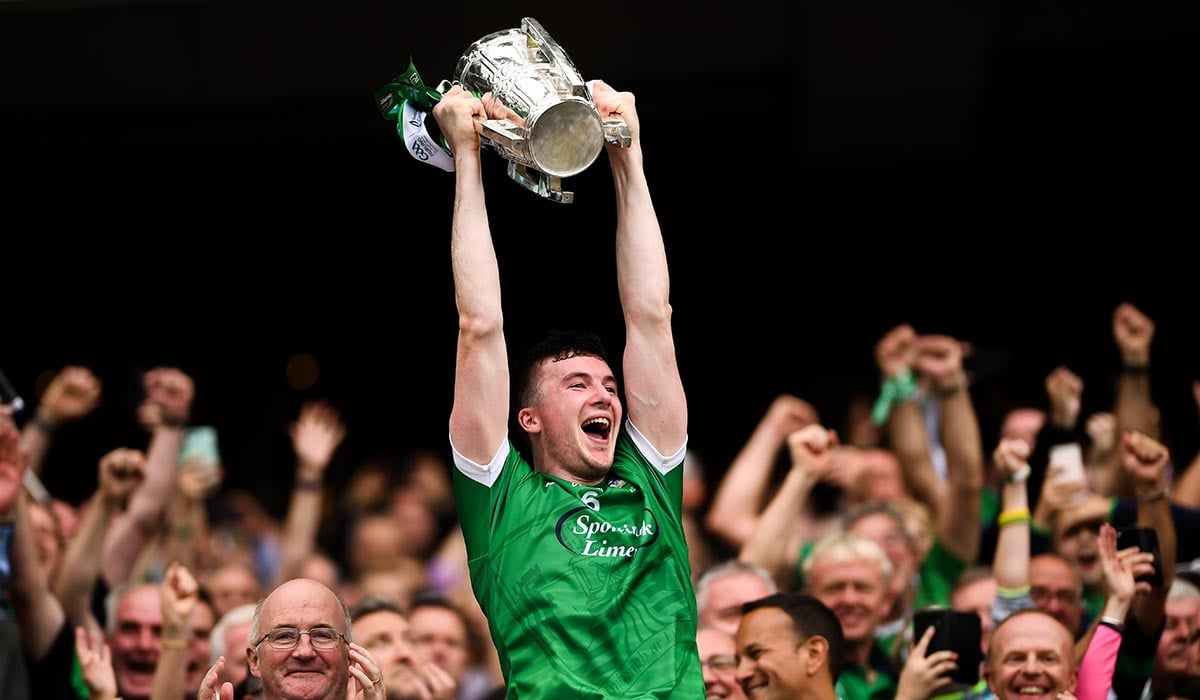
The county have won four since, that brilliant run of consecutive victories between 2020 and 2023. They couldn’t manage hurling’s unattainable dream of five on the trot, and they come to Croke Park on Sunday much nearer the end than the beginning.
It’s that belief that this is their last hurrah that makes many convinced they will not be denied in this final. Win and they deepen their legend. A Galway victory will confirm another emotional triumph for the men of the west.
This is a fixture steeped in historical importance. That compelling tradition is sure to be maintained.