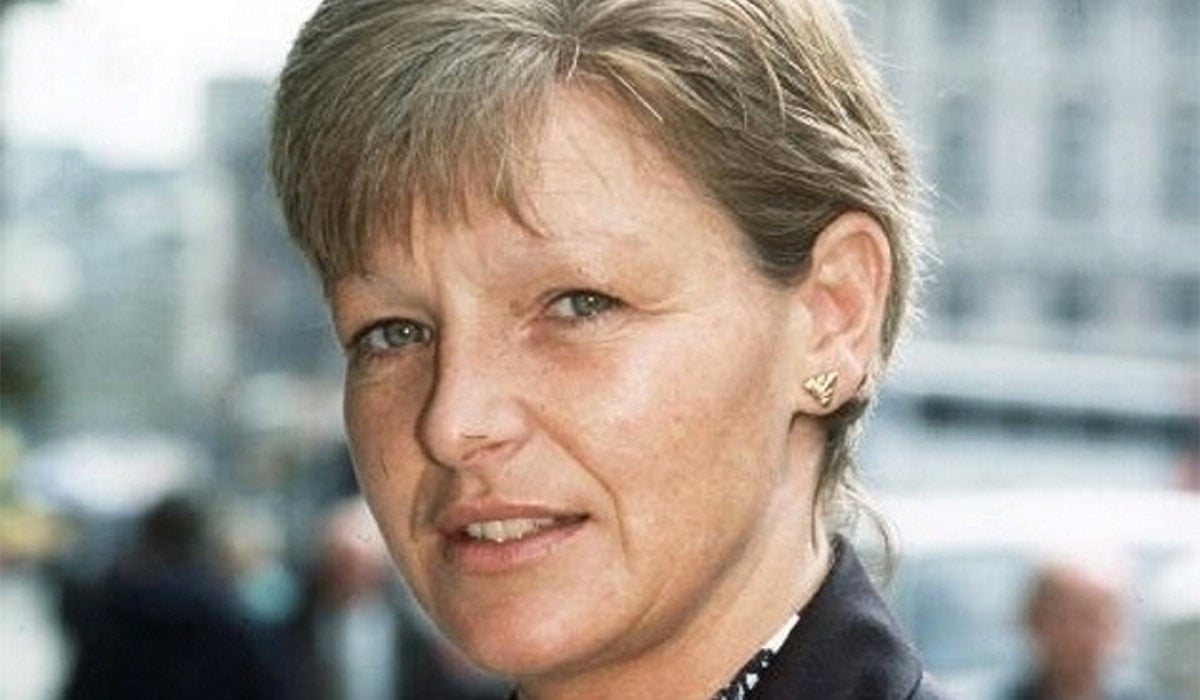

Veronica Guerin was just 37 years old when she was viciously gunned down in 1996 in one of the most high-profile killings of our time.
Three decades on, and her legacy has echoed down the years. With that in mind, here’s a look back at her life, 30 years after her senseless death:
Early life
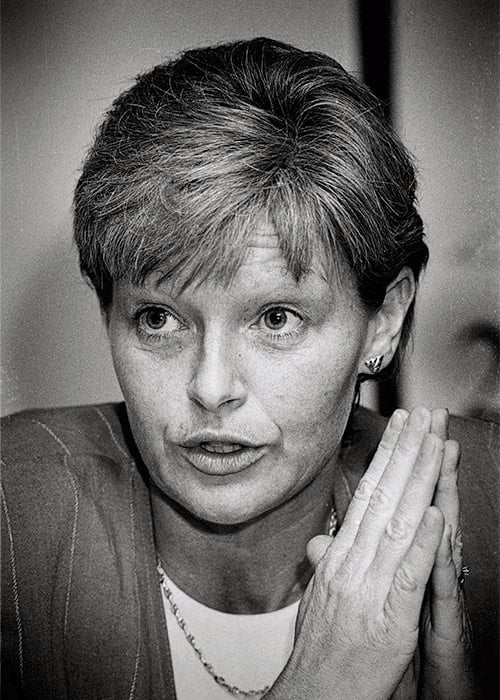
Veronica was born in 1958 and brought up in Artane alongside her four siblings. In the family, she was known as ‘Ronnie’, a nickname that carried through the rest of her life.
She attended St Mary’s secondary school in Kilester, where she excelled in sports. Veronica played for the Ireland women’s national basketball team. She also togged out for the Republic of Ireland women’s national football team and, at the age of 15, reportedly played in the All-Ireland finals with a slipped disc.
She also played camogie and competed in athletics.
Personal life
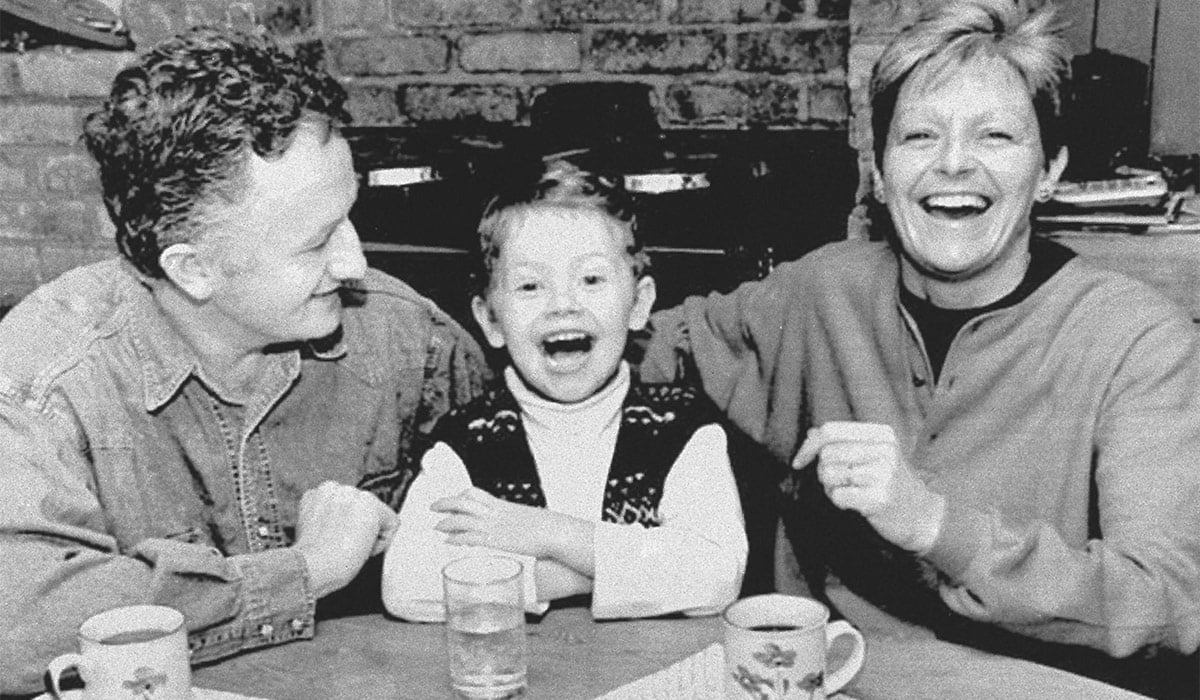
In 1985, she married Graham Turley, and they welcomed a son, Cathal, together. He was just seven years old when she died.
Veronica was an avid Manchester United supporter.
Early Career
Veronica studied accountancy at Trinity College Dublin, and when she graduated, she went to work for her father, Christopher, at his company until his death three years later.
At that point, she decided to switch careers and launched her own public relations firm in 1983. During the next seven years, she had close ties to the Fianna Fáil party, acting first as a personal secretary and then acting as Charlie Haughey’s personal assistant.
She grew close to the family, and in 1987, acted as an election agent and party treasurer for his son Séan Haughey.
Journalism Career
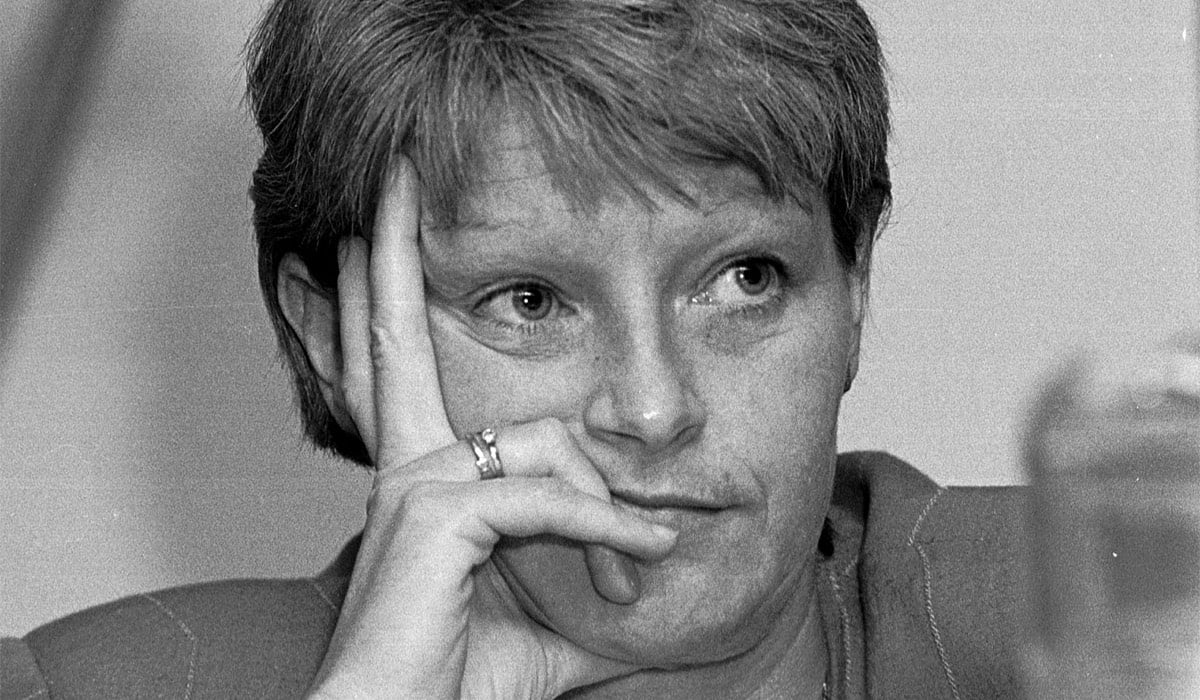
In 1990, Veronica went through another career pivot and began her career in journalism. She worked first as a reporter for The Sunday Business Post and The Sunday Tribune.
In 1994, she found her beat when she began working at the Sunday Independent and started writing about criminals. Here, her background in accounting helped her trace the fortunes of underworld figures.
She famously used pseudonyms such as ‘The Coach’ or ‘The Monk’ to bypass libel laws and expose modern drug cartel figures, and is best remembered for her series investigating John Gilligan and his involvement in the illegal hash trade.
Veronica was known to directly confront her subjects with interview requests and positioned herself to be a thorn in the side of the drug traffickers.
Death threats and assault
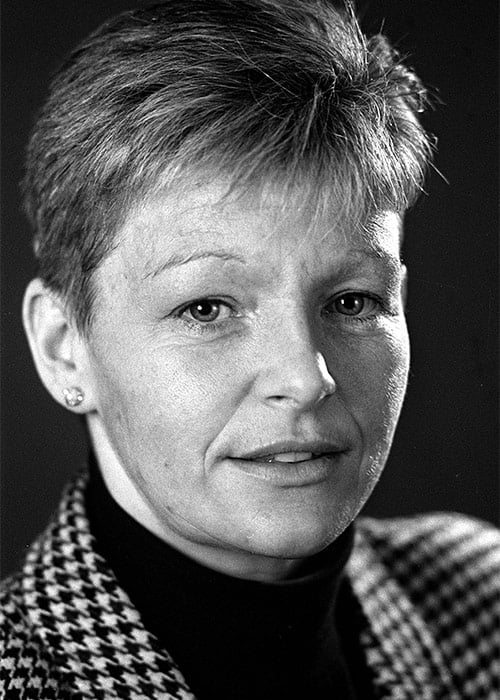
Veronica received numerous death threats. In October 1994, two shots were fired into her home after she wrote about Martin Cahill.
A few months later, in January 2025, she answered the door to find a pistol pointed at her head. The gunman chose instead to hit her in the leg. This followed her investigation into a Garda suspect in a three-million-pound robbery at the Brinks Allied cash depository in Dublin
Despite the attacks, she was determined to carry on with her reporting. The next assault came in September when John Gilligan attacked her when she challenged him on his lavish lifestyle despite having no source of income.
He later reportedly phoned her at home and threatened to shoot her dead and kidnap and rape her son if she wrote about him. Veronica was initially offered 24-hour police protection but quickly dismissed it as she felt it got in the way of her work.
Murder
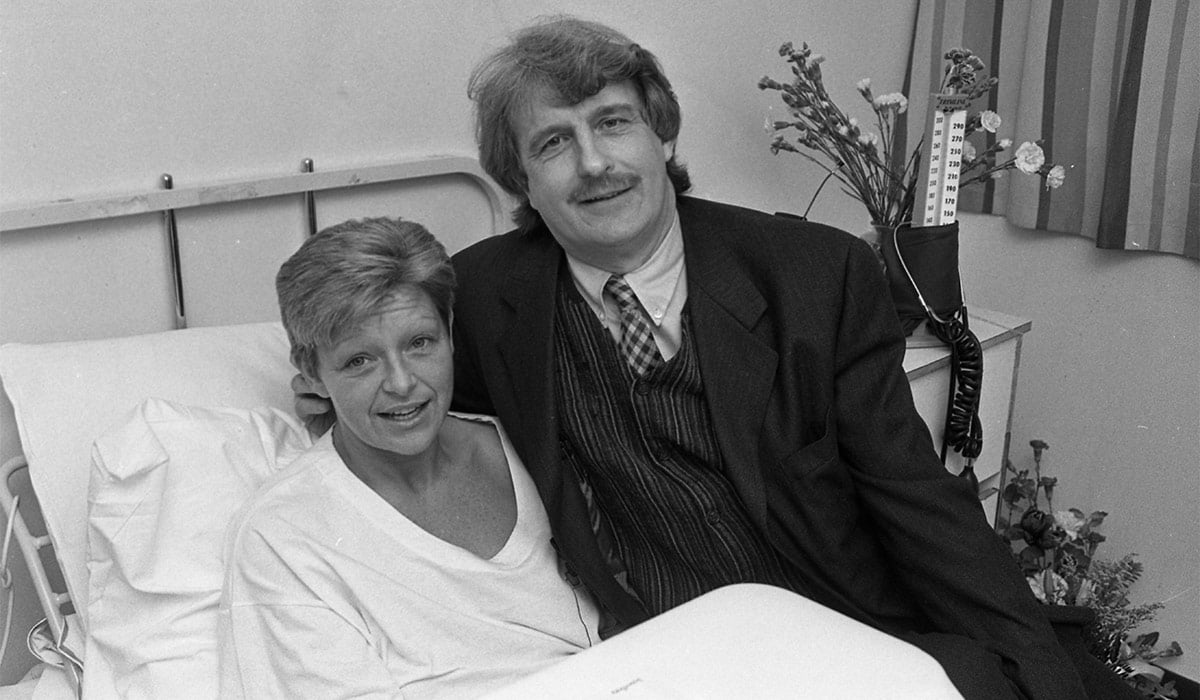
The threat from Gilligan was overheard by her barrister, Felix McIlroy, who went with her to make a statement to the police, and he was charged with assault.
On the morning of 26 June 1996, Veronica was due to attend Naas district court over a traffic violation. At around 12.55 pm, following the case, she was stopped at a traffic light on the Naas Dual Carriageway when a mototbike pulled up beside her with two passengers.
One smashed her driver’s side window with the butt of a handgun before opening fire, shooting six times and killing Veronica almost instantly. The assault case against Gillian was ultimately thrown out.
Trial
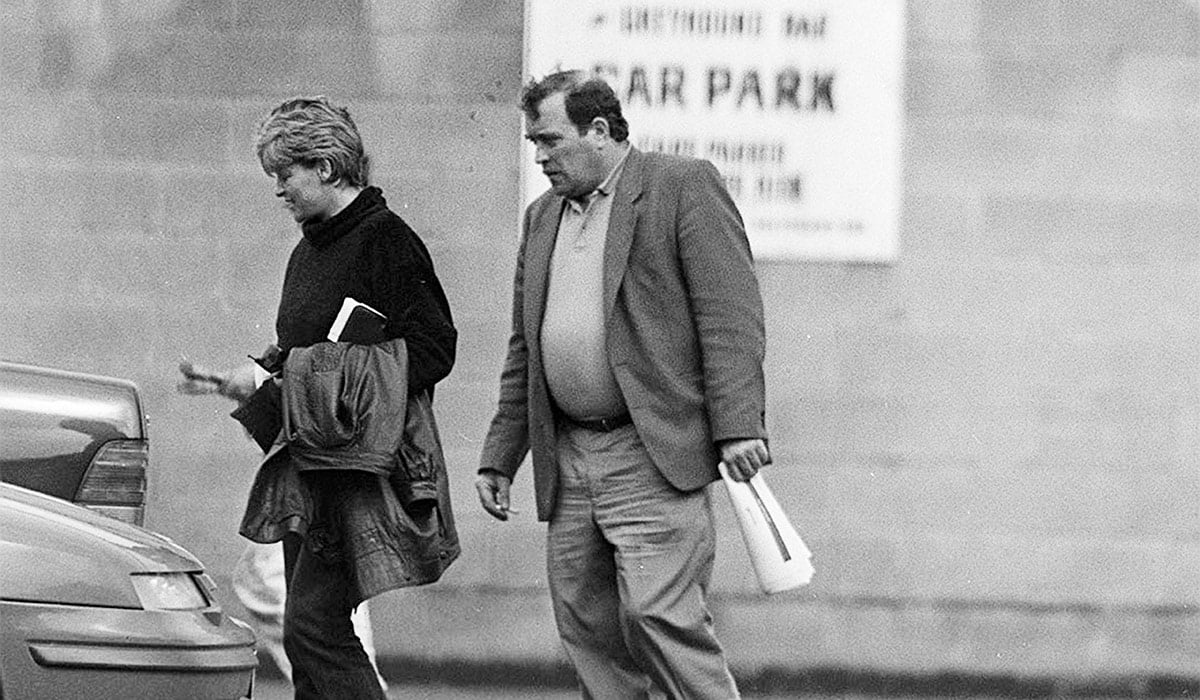
In 1998, Paul Ward was found guilty of her murder after he was found to have disposed of the gun and motorbike, and sentenced to life imprisonment. The conviction was later overturned on appeal.
The following year, Brian Meehan was found guilty of driving the motorbike and sentenced to life imprisonment. Patrick ‘Duchy’ Holland was the prime suspect as the shooter, but never faced charges.
John Gilligan was long believed to have masterminded the murder, but had travelled to Amsterdam on the day she died. He was subsequently arrested, tried and acquitted of Guerin’s murder in 2002.
He has claimed that it was John ‘The Coach’ Traynor who ordered the hit on her because she was about to write about his alleged heroin dealing.
Legacy
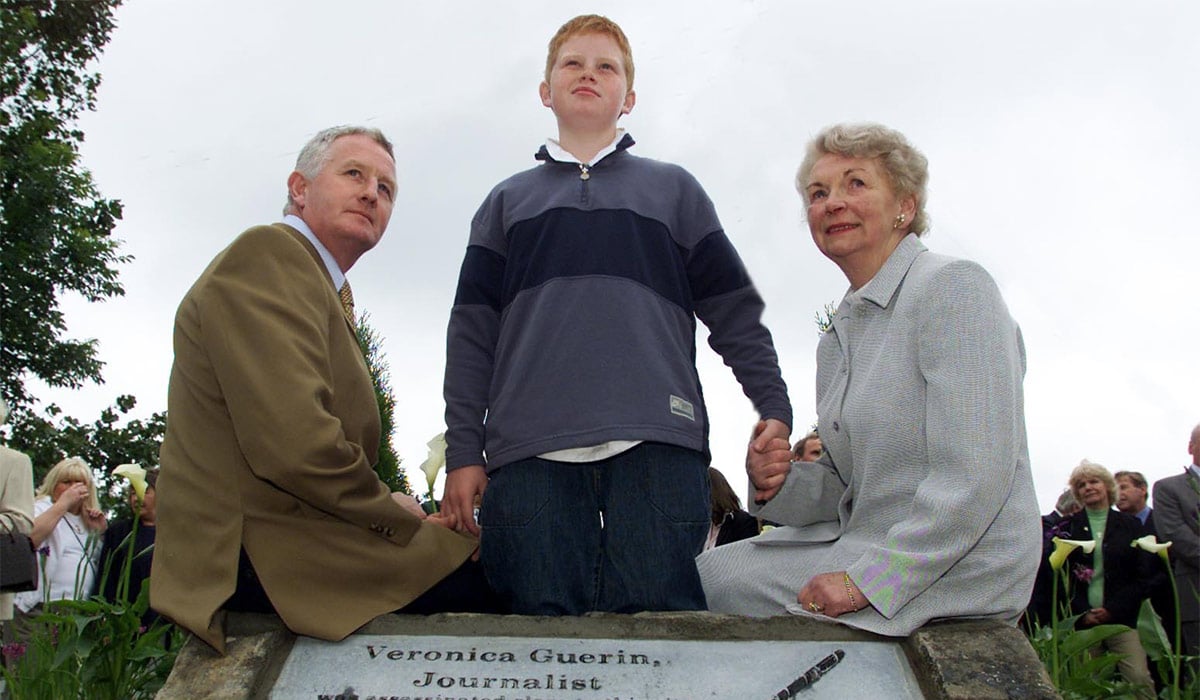
A week after Veronica’s death, the Oireachtas enacted the Proceeds of Crime Act and the Criminal Assets Bureau Act, which allowed money and assets received by crime to be seized. Subsequently, the Criminal Assets Bureau was formed.
In 1997, her name was added to a memorial to journalists killed in the line of duty in Arlington, Virginia. In 2000, the Veronica Guerin scholarship was set up at Dublin City University, and a lecture theatre was named in her honour in 2019.
In 2000, she was also named as one of the International Press Institute’s 50 World Heroes of the past 50 years. Two films have been made about her life, ‘Ehen The Sky Falls and Veronica Guerin staring Cate Blanchett.