
It’s no secret that there’s a rapid rate of depletion in the Irish hospitality sector, particularly in Dublin city centre.
As I sit down with Andrea Horan, the founder of Tropical Popical and a huge advocate for Irish businesses, I can sense her discomposure at the blight that has befallen our city.
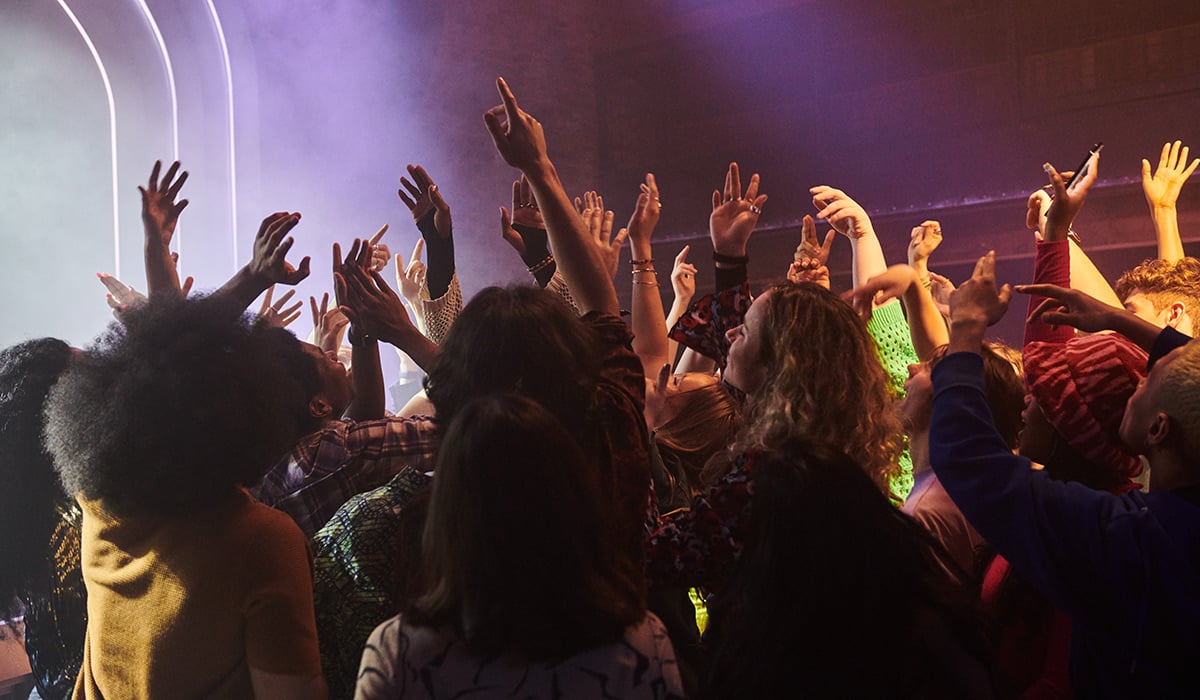
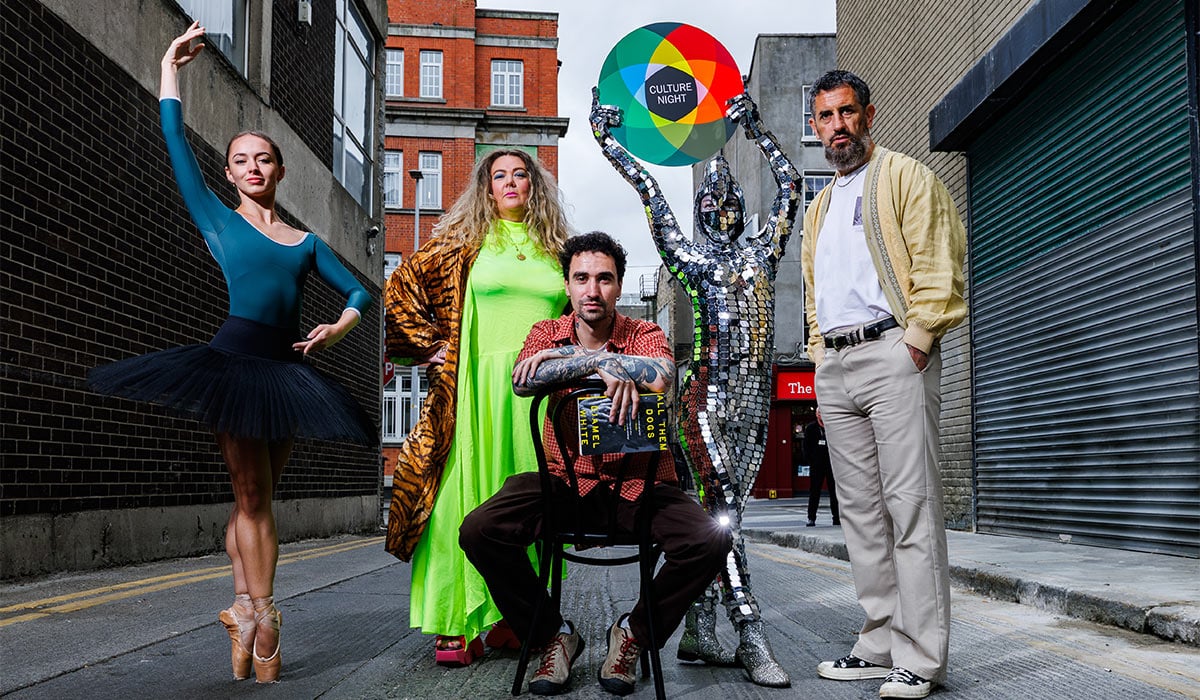
Andrea is an ambassador for Culture Night, and she speaks strongly about how clubbing is her culture, expressing her disbelief that many choose to believe young people no longer want that kind of outlet.
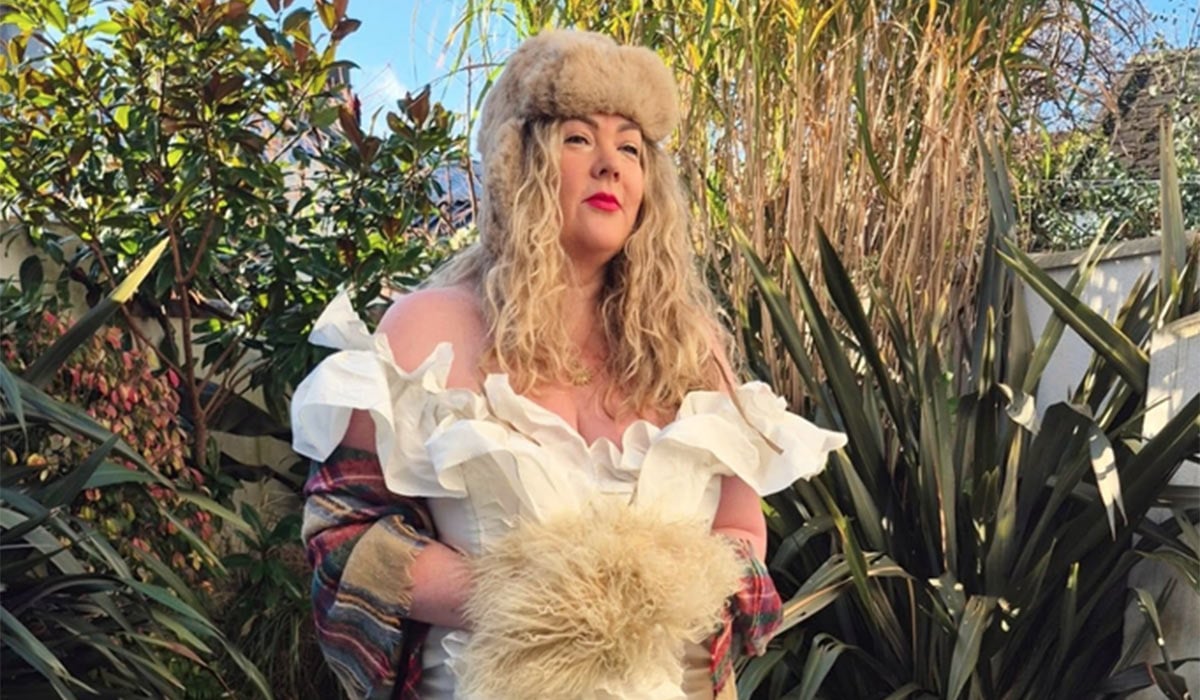
Andrea tells me: ‘Clubbing became my culture. I became obsessed with the culture of the night, and that, still up until now, has been my culture.
‘It’s gas because I did a project with Culture Night a few years ago, Clubbing is Culture, and we projected “Save Our Clubs” onto buildings that had been clubs beforehand. We did it all around the city: Pod, Tivoli, Hangar.
‘It’s not a new story; it’s getting much more serious. I think as more and more spaces are closed because of commercial viability, there’s an idea that young people are going out differently, and a narrative that they’re not drinking as much and they don’t really want to go out and engage in culture in this way.’
‘But then you see DIY things happening; they’re happening under the M50, they’re putting on club nights, raving essentially, so there’s still outlets that are happening, even though everything’s closing,’ Andrea explains.
‘That’s the thing with culture, you can push it out, you can squash it down, but it rises up again,’ she adds, triumphantly. ‘And that’s definitely what’s happening with club culture.
‘I think it’s becoming a more DIY event, and it frustrates me a little bit when people are saying that young people don’t want that anymore, because if you look at huge events like SILO at the RDS or festivals, electronic music tents are full.
‘We have some huge exports of electronic music and dance culture, and the art that comes from that, and the theatre, the fashion that are coming through that, even against all odds.’
‘It goes back to having hope that young people want it, and they’ll find it themselves, and that we can do everything that we can to change things structurally, in terms of making it easier to get in and out of cities or clubs, or making it more affordable,’ Andrea says of the shift that needs to happen.
‘How do we address the structural things and the cultural things that happened when COVID changed people’s way of acting in their habits? They were sitting in scrolling more; there are apps now that’re for delivery food that you order it, but it never comes.
‘It’s for the thrill and the dopamine hit of ordering something and following it as if it’s coming to you without spending. It just obviously raises a lot of eyebrows, for me anyway.’
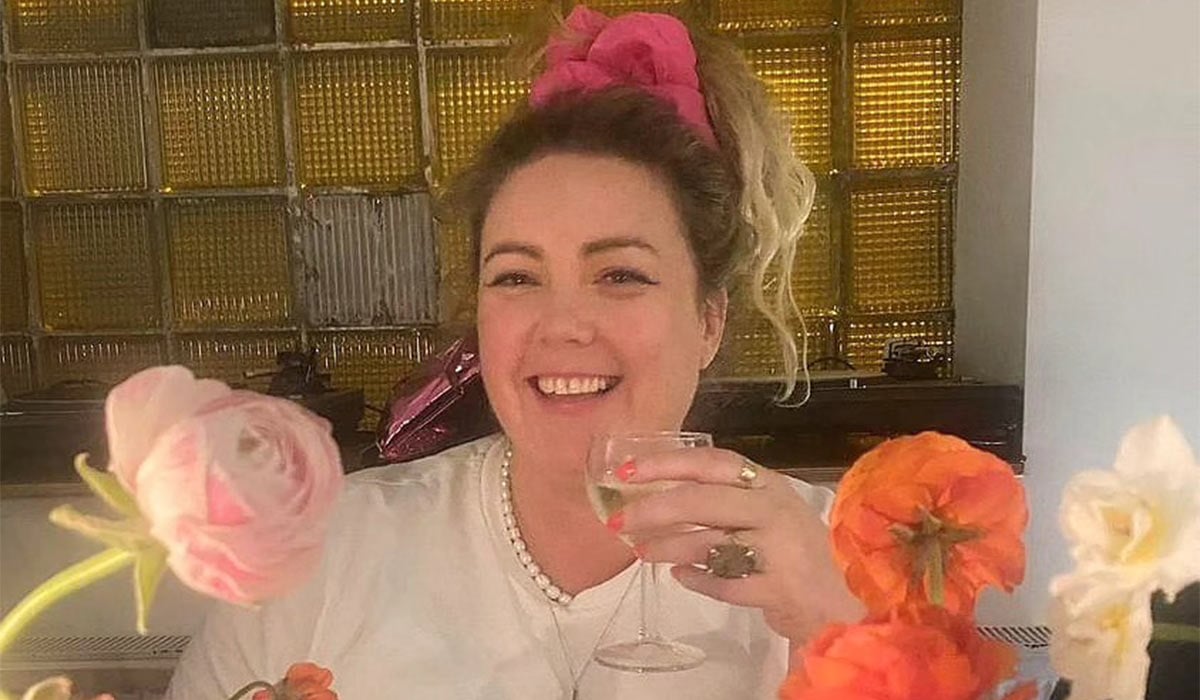
‘Where are we getting the community, where we get bringing people together?’ Andrea posed. ‘And that’s what we lose, but I think it’s having the hope and the trust in young people that they’re still doing it, and they still will push back and how.
‘Maybe more control over things like the structural issues would make it easier for them to do that to come together.’
Andrea’s business, Tropical Popical, is stationed right around the corner from Drury Street, which has been a topic on everyone’s lips for a while.
Because it’s a sun trap, many people line the street and partake in outdoor drinking. It’s a social activity, at the end of the day, but it has been disrupting businesses that operate on the street.
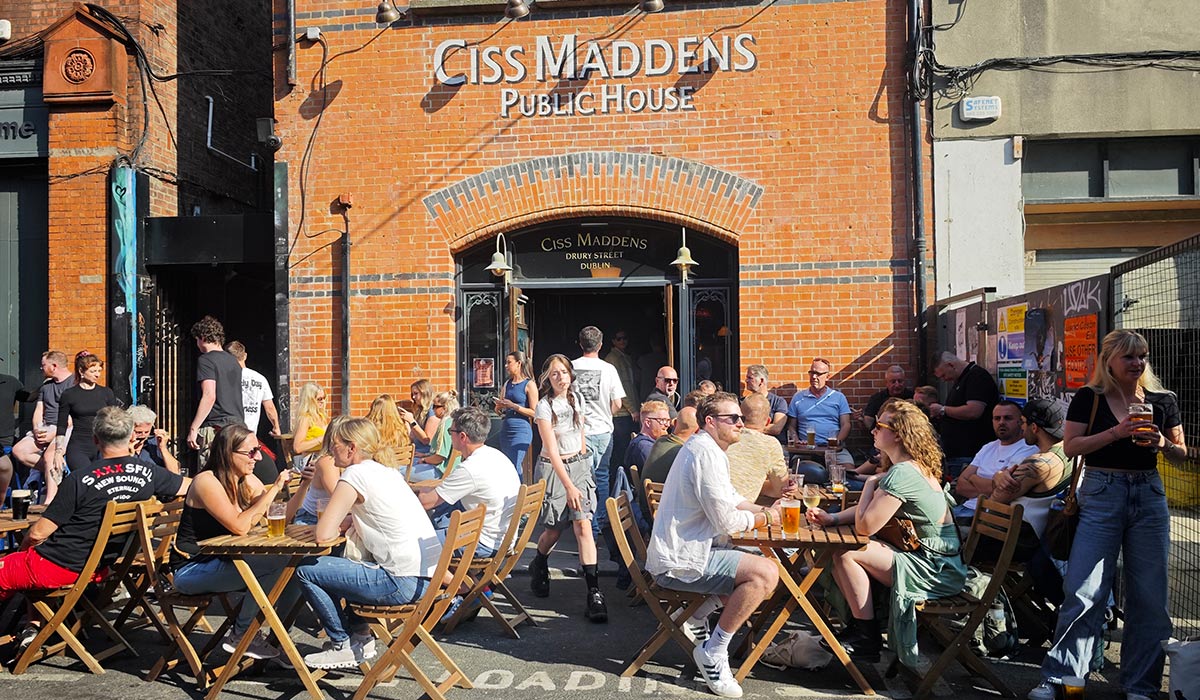
Most recently, Ciss Maddens revived its outdoor seating area after the council had chosen not to renew its outdoor seating licence, which caused uproar.
‘I think [Drury Street] is a really tricky street, and I’m glad that I was not in charge of trying to find a solution because I know many of the businesses that are there,’ Andrea says.
‘And then I know many of the young people who have nowhere to go and need to congregate.
‘But I think what Drury Street brings up the most is that it was one place in the city that people could congregate and everyone went to it.’

‘So, what that says to me is that we need more places that people can congregate, and as opposed to fewer places and trying to privatise congregation and gathering and community and socialising, and instead of trying to control us, maybe set it free,’ Andrea urges.
‘And if you have more of that, then it doesn’t all come into this pressure point that was really stressful for so many people. Yeah, I think more, more of that.’
Andrea Horan is a Culture Night ambassador. Culture Night 2026 takes place on Friday, September 18. For more information, click here.