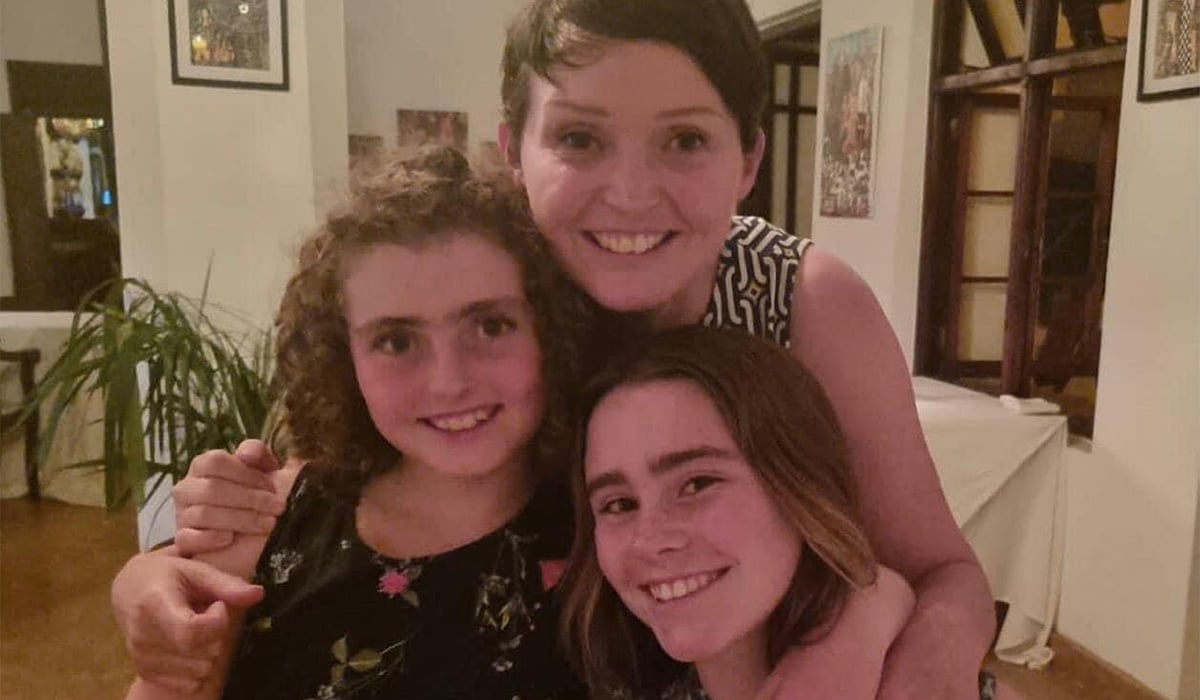

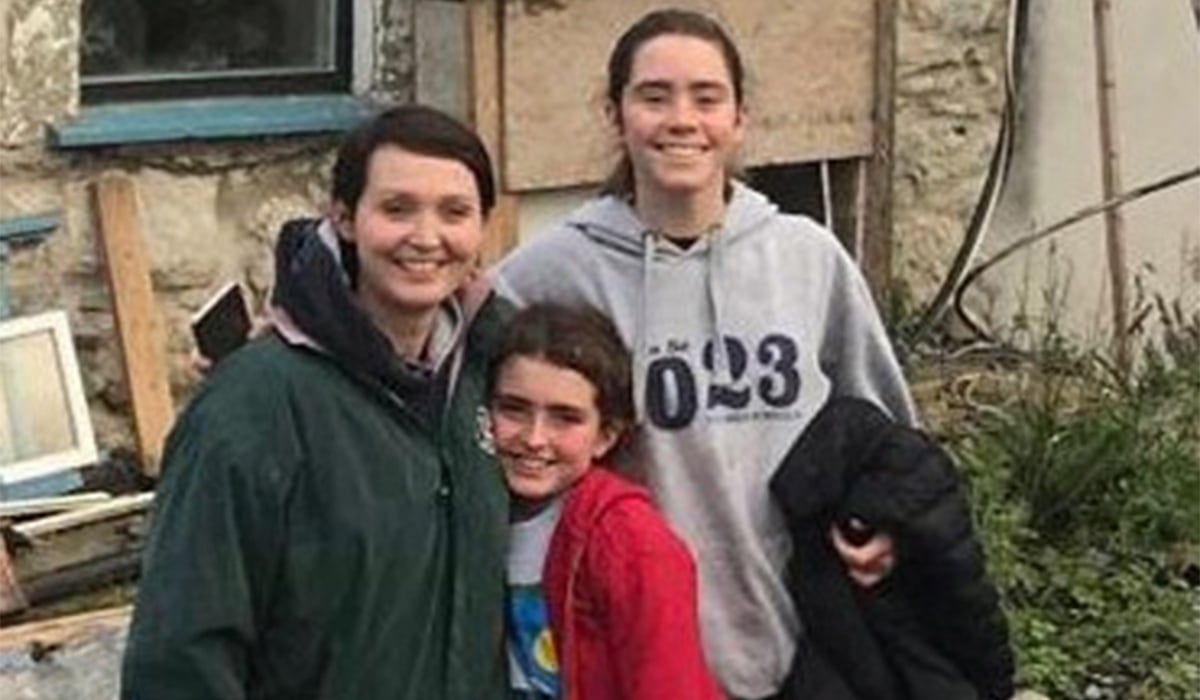
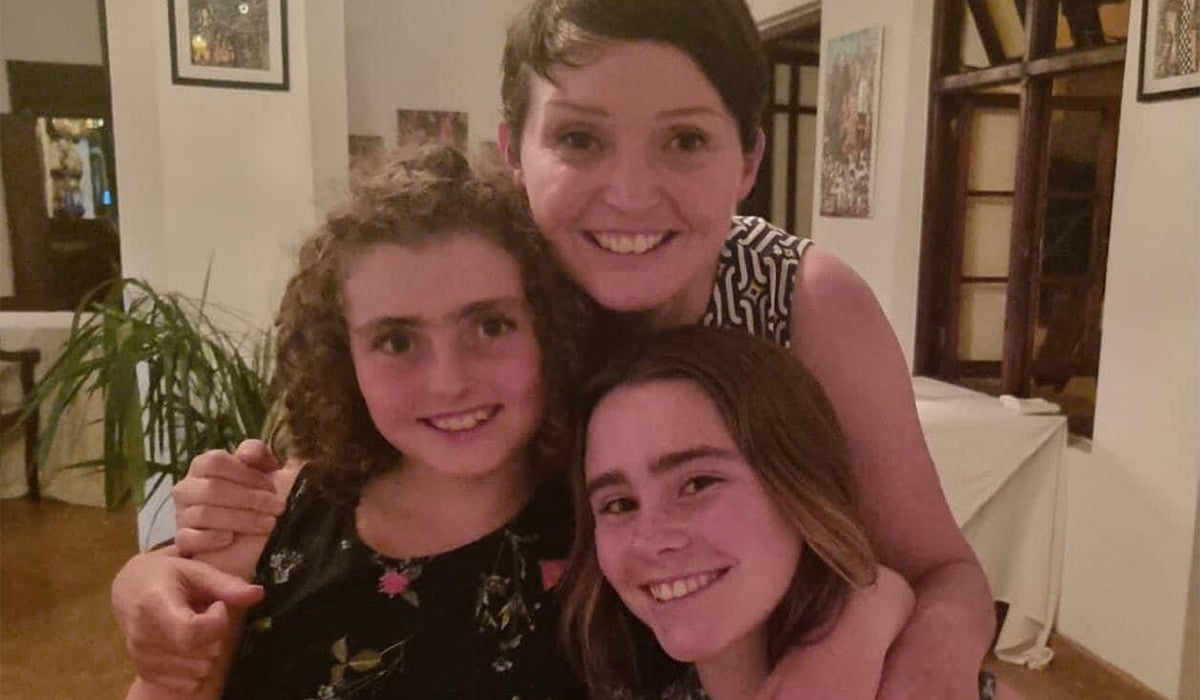
A mother and her two young daughters suffered ‘catastrophic’ injuries and died instantly when their car collided with an oil tanker, an inquest heard on Thursday.
Dr Eleanor Fitzgerald, coroner for Mayo, presided at resumed inquests in Ballina into the deaths of 47-year-old Una Bowden and her daughters Saoirse, ten, and Ciara, 14.
The Bowdens, who lived near Maigh Cuillin, Co. Galway, were travelling in a Volkswagen Tiguan car, which had a trailer attached, from Knock towards Claremorris, Co. Mayo, when the vehicle veered across the road into the path of the oncoming oil lorry on the N17 near Claremorris, in March 2024.
Sgt Noel Crinnegan told the hearing an extensive Garda investigation was carried out and the DPP directed there should be no prosecution in the matter.
At the inquest, graphic descriptions of the fatal collision were given by a number of witnesses including the driver of the lorry, Patrick Gormally, who was based in Ballyshannon, Co. Donegal.
Mr Gormally, in a statement to gardaí which was read into evidence, outlined he had just passed Ballindine, Co. Mayo, when he saw a silver car on his side of the road, right under his cab. ‘I heard a huge bang and everything went crazy after that. There was no way I could have avoided the collision,’ he said.
‘The car came into my lane from the other side of the road’.
Motorist Eddie Grant, in a statement to gardaí, said he had been travelling from Letterkenny, Co. Donegal, and witnessed the car ‘veering from my lane straight into the lorry’.
Mr Grant said he knew afterwards that all three occupants of the vehicle were deceased.
He said that the lorry driver wanted to check the car but he told him not to. A further eyewitness, Aisling Dunne, said she heard ‘an unmerciful bang like a bomb went off’ and a wheel from the vehicle came flying in her direction.
Technical evidence was given to the inquest that the speed of the Tiguan car was 94kph five seconds before the collision, and 91kph at the time of the impact.
Consultant pathologist Tamas Nemth testified that the cause of death of all three victims was extensive head and body injuries due to a road traffic accident.
After hearing the evidence, the coroner said a clear description of what happened had been provided but not why the collision occurred.
She noted there was good visibility at the time and the accident occurred on a straight stretch of road.
Dr Fitzgerald noted the presence of two family terriers in the crashed car and suggested they may have contributed to the accident but added that such a theory could not be proven.
The coroner said the evidence showed the car driven by Ms Bowden, with a trailer in tow, had crossed in error to the wrong side of the road into the path of the oncoming lorry.
Both drivers, in the final seconds, had taken actions to avoid a collision but it was too late.
The combined speed of both vehicles would have been over 160kph, the coroner said.
The injuries suffered were horrific and would not have been compatible with any form of resuscitation, the coroner stated.
She returned verdicts of accidental death in all three cases.
Ms Bowden’s husband David, the father of Ciara and Saoirse, joined the inquest via videolink.
He thanked the coroner for the inquest which, he said, brought some closure.
He also thanked the gardaí and emergency services who helped at the scene as well as the Irish diplomatic services and the organisers of the Catholic Church Mass and burial ceremonies in Raphoe, Co. Donegal.
Ms Bowden was a native of Raphoe but had been living in recent years with her family in Maigh Cuillinn.
Previously she lived with her husband in Zambia where they jointly started a safari camp.
At the conclusion of yesterday’s hearing, Sgt Mary Gallagher read a message from Ms Bowden’s sister, Catriona Carolyn, in which she thanked the emergency services who attended the accident and the staff at Mayo University Hospital.
In the message, the family assured the driver of the truck the family did not hold him responsible for what happened.
‘We hope you will find peace after this terrible experience,’ the message concluded.