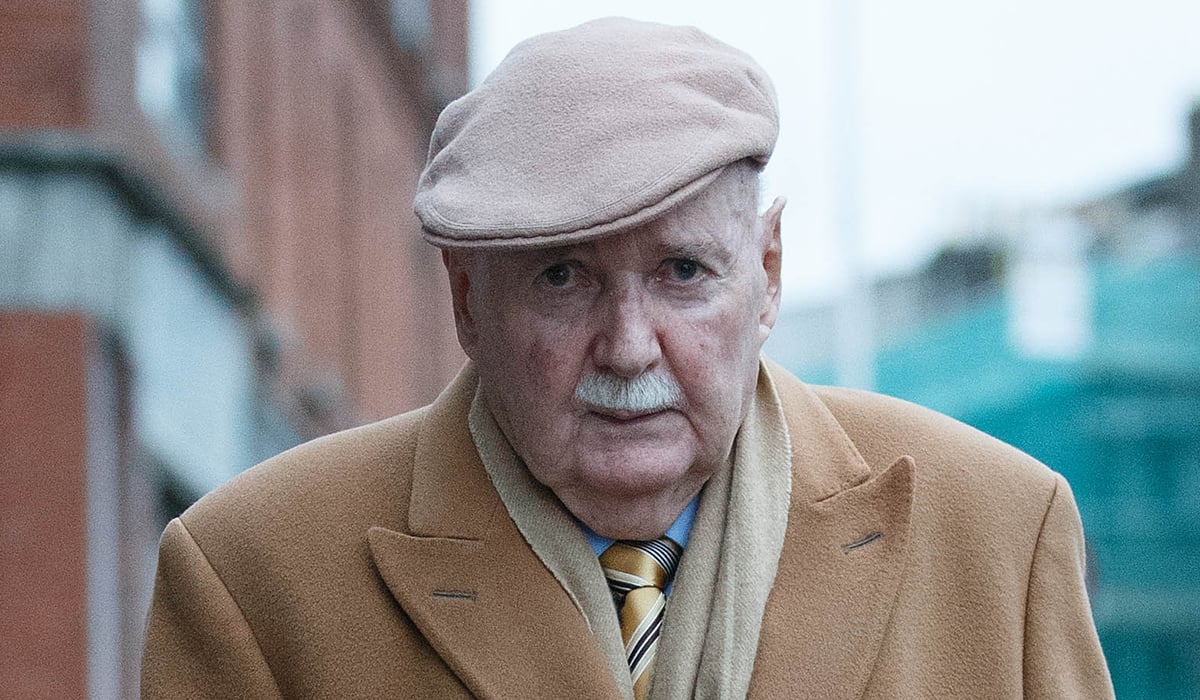

The former head of the Irish Nationwide Building Society, Michael Fingleton, has died aged 88.
Mr Fingleton – known to friends, business rivals and clients as ‘Fingers’ – died on Sunday, seven years after suffering a debilitating stroke.
News of his death swept through media and business circles in Dublin on Sunday night but, with no official or family confirmation, it did not make the print editions of yesterday’s papers.
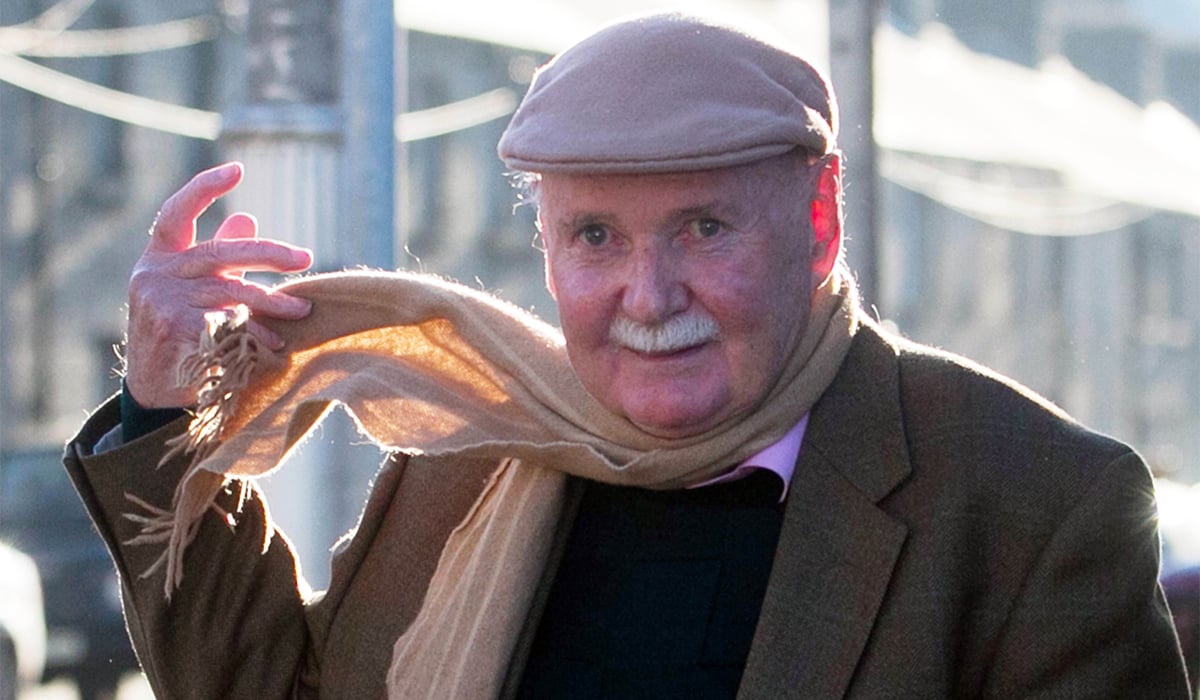
Mr Fingleton led Irish Nationwide Building Society (INBS) between 1971 and 2009, turning the then parochial building society into one of the State’s main lenders to boom-time developers, hitting a peak worth of an estimated €16billion – before it came crashing down with the collapse of the property market to which its fortunes were so heavily linked.
When the financial crash hit Ireland in 2008 and the property bubble burst, Irish Nationwide had many bad loans on its books, which would eventually lead to a colossal €5.4billion Government-backed bailout – equivalent to the sum the State set aside to fund supports during the Covid-19 pandemic.
Although he was the lender’s chief executive, tasked with steering the institution, he would personally approve loans of up €1million to developers before the building society went bust, the 2015 Central Bank and parliamentary banking inquiry into the banks’ collapse was told.
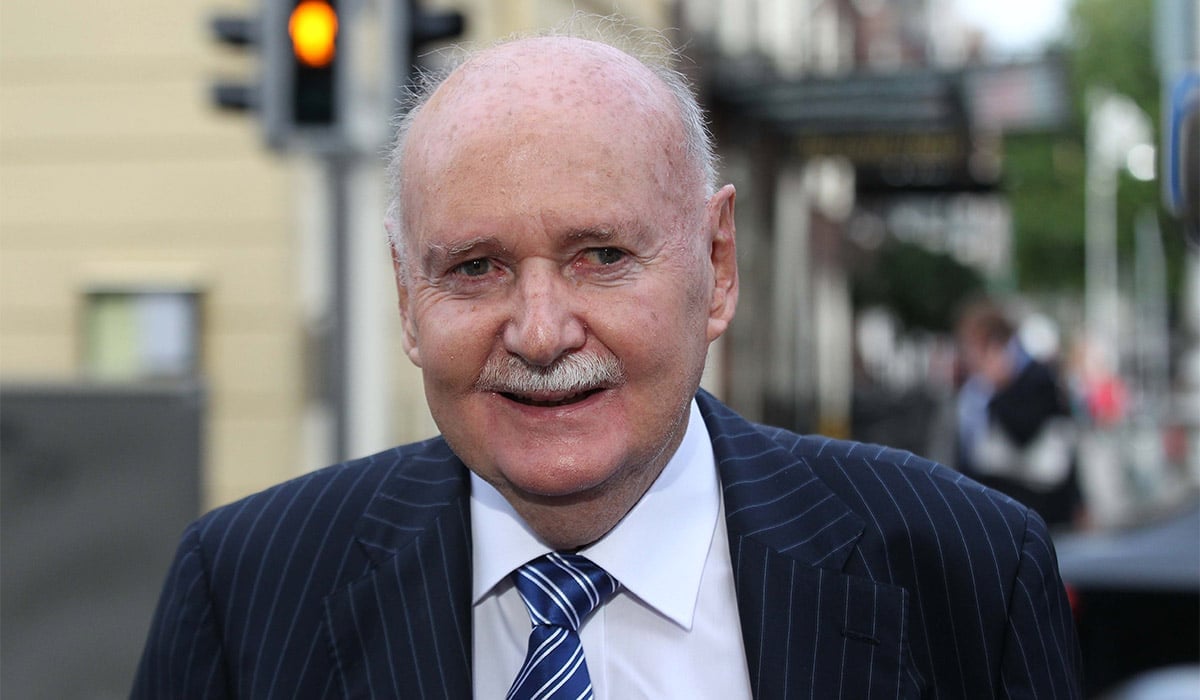
Mr Fingleton also told that inquiry how he ‘deeply’ regretted that taxpayers had to pick up the bill for the debts of the institution he ran for nearly 40 years.
The son of a garda, Mr Fingleton was born in Tubbercurry, Co. Sligo, and went to boarding school at St Nathy’s College in Ballaghadereen, Co. Roscommon, from the age of 13, and then to the All Hallow seminary in Dublin.
But like many, he realised a life in the priesthood was not for him, and he left before taking his vows.
In 1961, Mr Fingleton joined Allied Irish Finance, which gave him the income to start studying commerce at night at UCD, a time he put to good use, completing his degree six years later.
He then qualified as a chartered accountant and began to work with the Dairy Disposal Agency, a State organisation that ran creameries, cattle stations and cheese factories in the west.
In the late 1960s, he joined the famine-relief charity Concern and worked for it in Nigeria, before returning in 1971 aged 33 to join the Irish Industrial Building Society. It had one branch with five employees, and IR£2.3million of assets, at the time – around €55million today.

In 1973, Mr Fingleton qualified as a barrister. Although he never practised law, with his head for finance and knowledge of the legal system, he set about expanding the lender.
After gaining agreement to grow beyond its Dublin base, it was rebranded as Irish Nationwide Building Society in 1975.
The building’s neon sign on the corner of O’Connell Street and Eden Quay became one of the most recognisable in the city.
However, it was taken down after dark in May 2011.
Mr Fingleton built strong relationships with politicians and journalists during the 1970s and 1980s. Many reporters had secured their first mortgage through him, allowing them to buy their first home at a time when the banks were notoriously tight around their lending.
INBS changed the financial landscape and would benefit from it for years.
Its commercial loan book ballooned to €8.18billion by 2008, with property making up almost 80% of the loans.
The damning inquiry in the mid 2010s heard a list of flaws in how INBS was run, as it failed to process loans in line with policies, obtain property security for commercial loans, get proper valuation reports on assets it was lending against, or establish credit-risk policies for profit-share agreements with developers during the boom.
The Irish Banking Resolution Corporation (IBRC) liquidators took a case against Mr Fingleton over allegations of negligent mismanagement, which he denied.
A lengthy civil trial that concluded last year examined these allegations of mismanagement before Irish Nationwide collapsed after failed financial and property ‘gambles’.
The case – in which Mr Fingleton was unable to give evidence – concluded at the High Court in October.
Judge Michael Quinn said he was reserving judgment, but it is not known when it will be delivered.
One legal expert explained that the judgement will be delivered eventually as the death does not stop it, and any financial finding against Mr Fingleton or debts owed by him will be paid out of his estate.
Mr Fingleton had suffered a severe stroke in May 2018, which left him physically and mentally incapacitated and therefore unable to effectively defend the case against him over alleged breach of his obligations while he was chief executive at INBS, according to his solicitor Niall Clerkin.
A series of assessments showed a declining cognitive ability affecting his recall and ability to critically assess evidence.
He died in the Four Ferns Nursing Home, Foxrock, south Dublin, surrounded by his family.
Mr Fingleton was married to Eileen and had four children: Anne, William, Eileen Jr and Michael Jr. They lived in Shankill in south Co. Dublin.
A Requiem Mass will be held on Friday in St Anne’s Church, Shankill, at 10am, followed by burial in Shanganagh Cemetery, also in Shankill.