
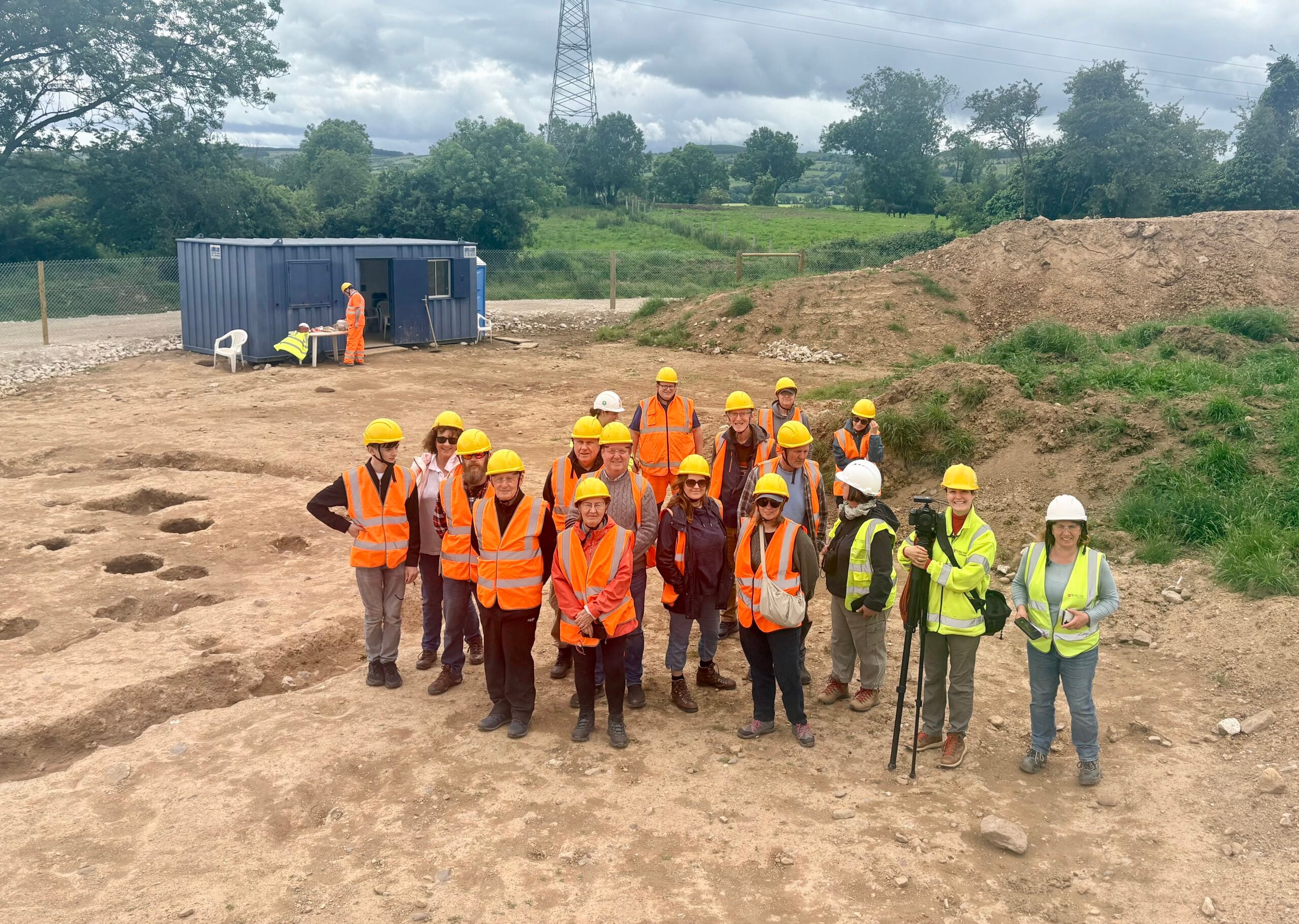

Archaeologists have uncovered what are believed to be some of the earliest known houses ever found in Co. Waterford during excavations at Cappagh Quarry near Dungarvan.
The two Early Neolithic homes date from between 3600 and 3700 BC, meaning they pre-date Newgrange by several centuries, were built more than 500 years before Stonehenge and around 1,200 years before the Great Pyramid of Giza.
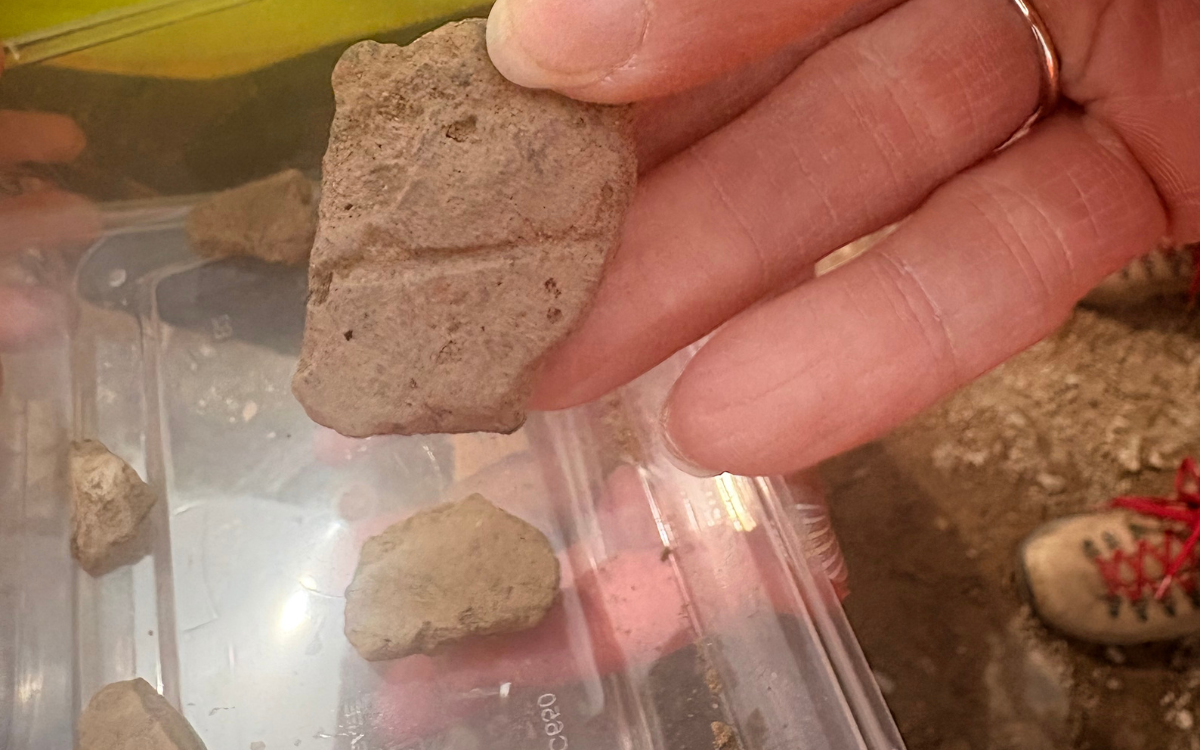
The discovery was made during excavations by Rubicon Archaeology at Cappagh Quarry, where archaeologists also uncovered Bronze Age cremation burials, prehistoric pottery and stone tools.
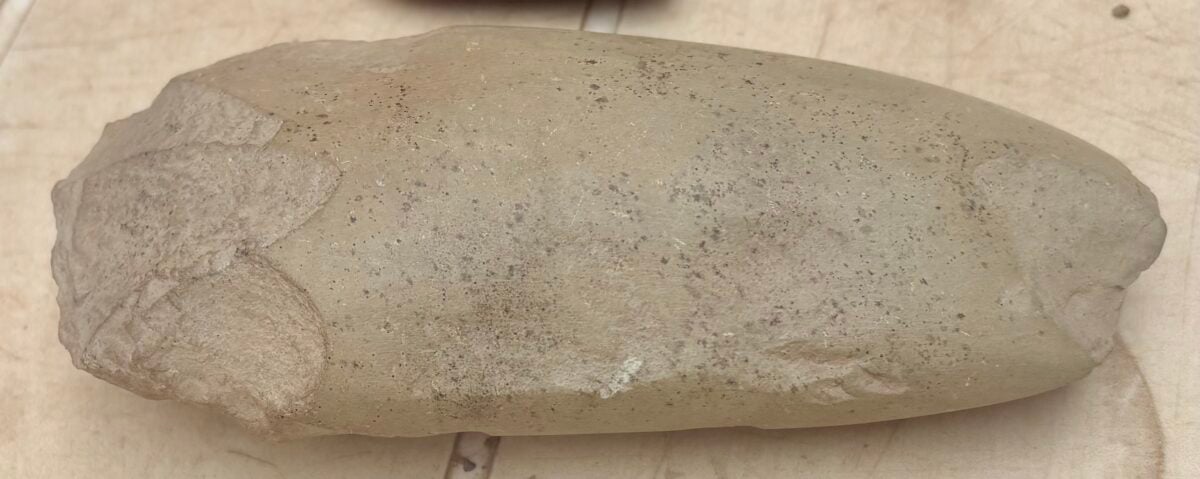
Among the most significant finds was a polished stone axe discovered beneath the floor of one of the houses, believed to have been placed there as a symbolic offering to protect the household.
Archaeologists also recovered a second stone axe which may have originated in the Great Langdale area of Cumbria in north-west England, suggesting people were transporting valuable materials across the Irish Sea some 6,000 years ago.
The excavation has revealed evidence that people were living, farming and burying their dead in the Dungarvan valley from the Early Neolithic period, adding significantly to what is known about the county’s earliest settled communities.
The discoveries will be showcased during National Heritage Week next month, with Waterford County Museum and Rubicon Archaeology hosting a pop-up exhibition at Dungarvan Shopping Centre from August 15th to 23rd.
Archaeologist Gillian McCarthy will also give a public talk on the excavation at Dungarvan Town Hall on Wednesday, August 19th.