

Water Safety Ireland is encouraging people to continue enjoying Waterford’s coastline despite an increase in jellyfish sightings, stressing there is no need for alarm.
Speaking on WLR, Water Safety Ireland local area committee chair Lola Sullivan said jellyfish are a natural part of Ireland’s marine environment and that swimmers are entering the animals’ habitat when they go into the sea.
Sullivan said the most common species currently being seen are moon jellyfish, although barrel jellyfish, compass jellyfish and blue jellyfish have also been spotted along the coast in recent weeks.
She explained that most jellyfish stings are comparable to a nettle sting, with discomfort usually lasting only a few minutes.
“The mental image of getting stung is often worse than the sting itself,” she said, adding that swimmers should avoid panicking if they are stung while in the water.
However, she warned that anyone who develops severe swelling, intense pain or signs of an allergic reaction after a sting should seek medical attention immediately.
Sullivan also advised against rubbing a sting, as this can spread the venom, and said any visible tentacles should be carefully removed rather than rubbed into the skin.
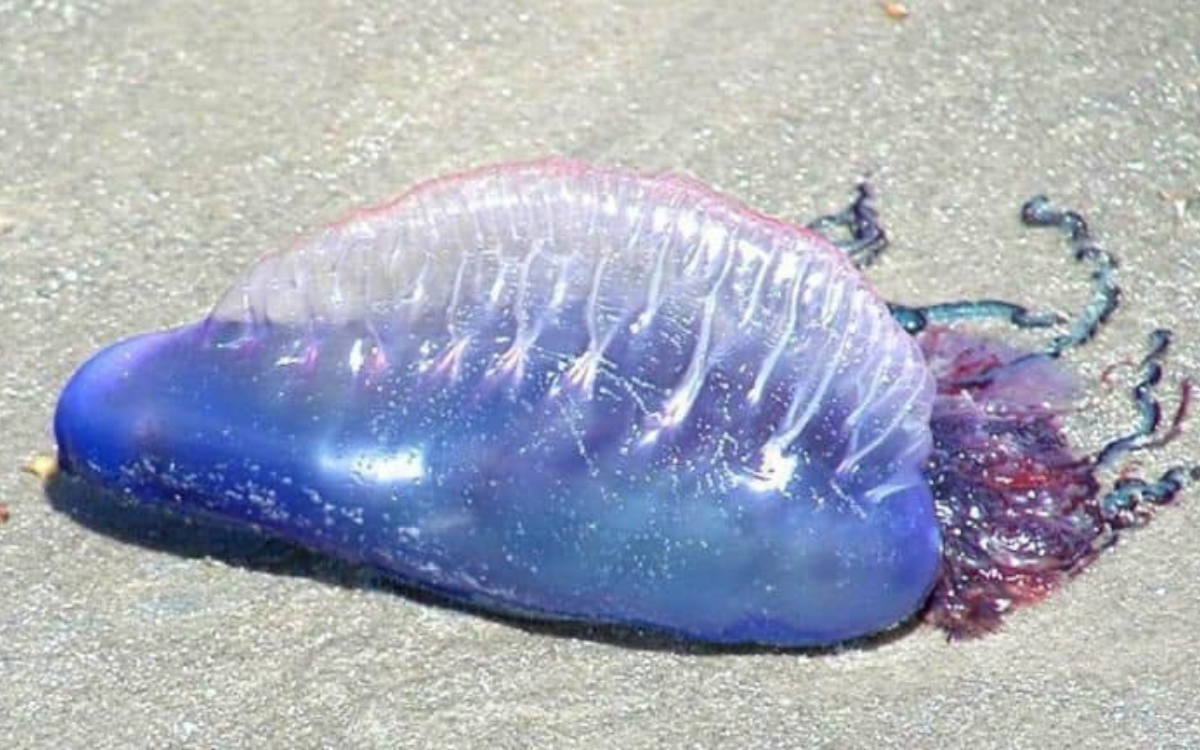
She urged beachgoers not to touch jellyfish that have washed ashore, warning that they can continue to sting even after becoming stranded on the beach, posing a risk to children and dogs.
With warm weather continuing, Sullivan reminded swimmers to choose lifeguarded beaches whenever possible, swim between the flags and always supervise children around the water.
She also highlighted the dangers of cold-water shock and hypothermia, noting that Waterford lifeguards recently assisted a swimmer who became hypothermic despite not spending long in the water.
Sullivan acknowledged there appears to be an increase in jellyfish sightings but said it is difficult to determine whether there are actually more jellyfish or simply more people swimming and sharing sightings on social media.
She also praised Waterford’s lifeguards for their work throughout the summer and encouraged members of the public to thank them for helping keep the county’s beaches safe.
Waterford currently has five lifeguarded beaches: Dunmore East, Tramore, Bunmahon, Clonea and Ardmore.
For the latest Waterford News and Sport, tune into WLR News on the hour and download the WLR App for news on demand.