
Families are due to save ‘hundreds’ of euro per year on childcare costs with the announcement of a new maximum fee cap today.
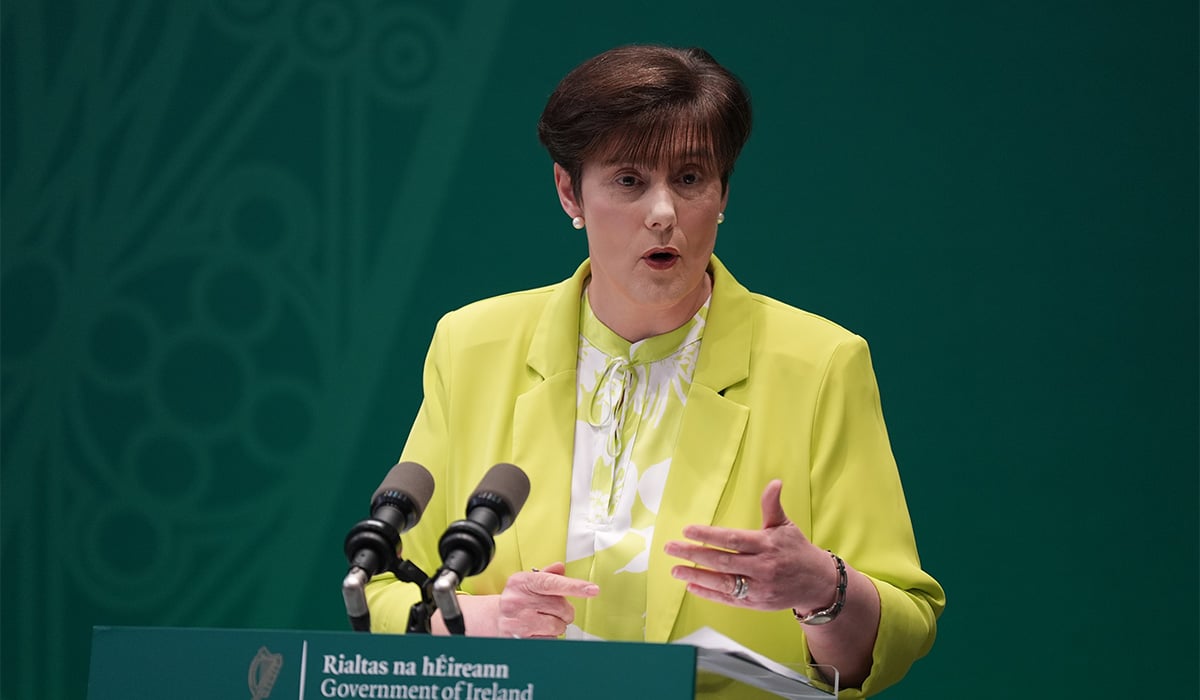
Minister for Children Norma Foley will today bring forward a new maximum fee cap for childcare services receiving care funding from the State.
The rate change will come into effect from September and target services charging the most expensive fees to parents first.

Extra.ie understands that some families could save hundreds of euro a year as a result. Details of the savings were not shared ahead of today’s announcement, which will be made shortly after midday.
Ms Foley will also announce details of a major funding bump for early-years services this afternoon.
The Fianna Fáil minister will detail that over €480million is being invested in more than 4,600 State-funded childcare services from September.
It is the highest amount ever put into the Core Funding scheme, rolled out to maintain a fee freeze for parents and subsidise costs for providers.
Funding, which is due to be discussed briefly at a Cabinet meeting this morning, was agreed during Budget 2026 negotiations last year.
Further cap details will be announced at a press conference this afternoon and will ‘focus’ on those in the most expensive settings.

Childcare costs have become a political topic in recent years due to issues with access and high costs, with fees often compared to a second mortgage.
In January, more than 50,000 children were on waiting lists to access childcare, while costs outside of the Government subsidy scheme continued to increase.
Fine Gael and Fianna Fáil vowed to reduce childcare costs for families in Statefunded services to €200 per week during campaigning for the last general election.

The pledge features in the Programme for Government, which commits to reducing the costs over the five-year lifetime of the Coalition.
Previous ceilings, adjusted last year, set the cap at no more than €295 per week for a child attending State-backed services for at least 40 hours per week.
Other family supports have reduced that price, though the cap depends on the number of hours the child is in care.
Last year’s reductions only affected parents with children in the most expensive core-funded services.
Ms Foley introduced a new children’s action plan last year, setting out her department’s plans to making childcare more affordable.
The first phase of the plan will be rolled out from September and will include further targeted reductions for families facing high childcare costs.
This will broaden out the availability of subsidies for families earning up to €34,000, while extra supports are offered to those earning up to €68,000.
Adjustments will also be made to these bands internally in the Department of Children to cater for families with more than one child in an early-years setting.
It means today’s new maximum cap may result in further cost reductions for lower-income families and provides an outline for what the Government intends to do throughout 2027 and 2029, which could result in further funds being poured into the State-backed scheme.
The public will be asked for their input ahead of the implementation of the second phase next year so adjustments can be made.
Governments’ sources stressed that the departments of Children and Education have refrained from making promises before the phases conclude.
Questions will likely be raised over future costs involved in the scheme, given that subsidies led to the total budget rising to almost half a billion euros.