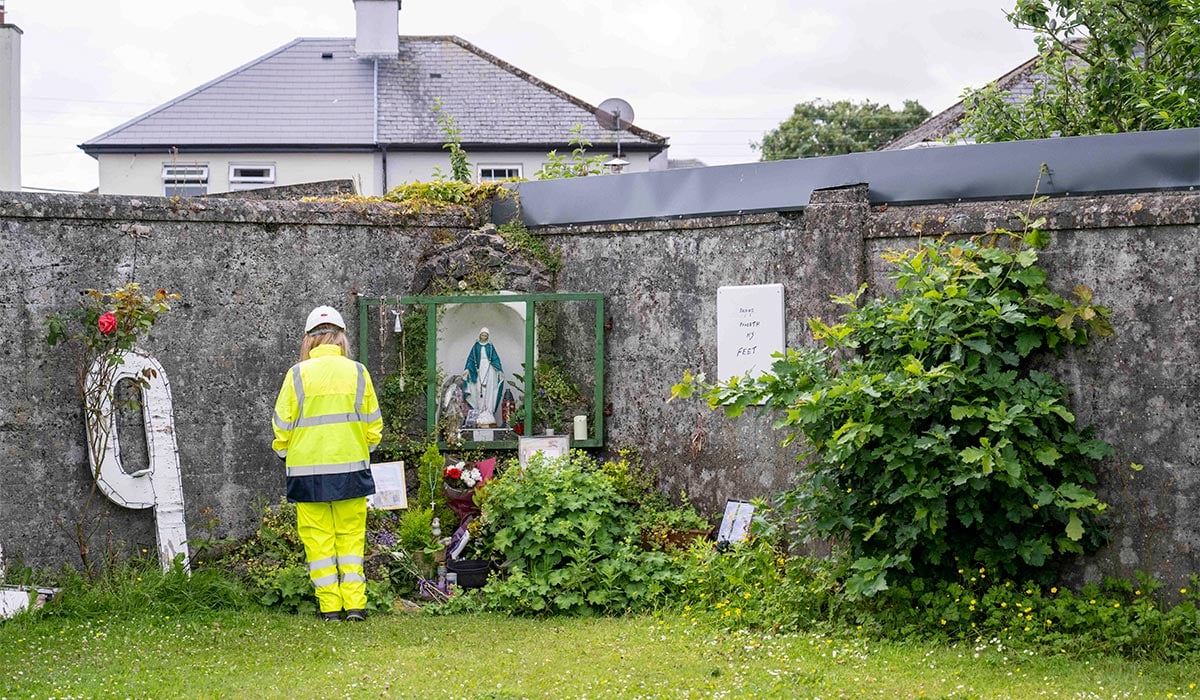

An additional eight sets of infant remains have been recovered during a forensic excavation at the site of a former mother and baby home in Tuam.
All the remains were buried in coffins. The total number of sets of infant remains uncovered by the Office of the Director of Authorised Intervention, Tuam (ODAIT), since it began work at the site last July, is now 77.
The excavation by specialists at the site of the St Mary’s mother and baby home in Tuam, Co. Galway, is attempting to identify the remains of infants who died at the home between 1925 and 1961.
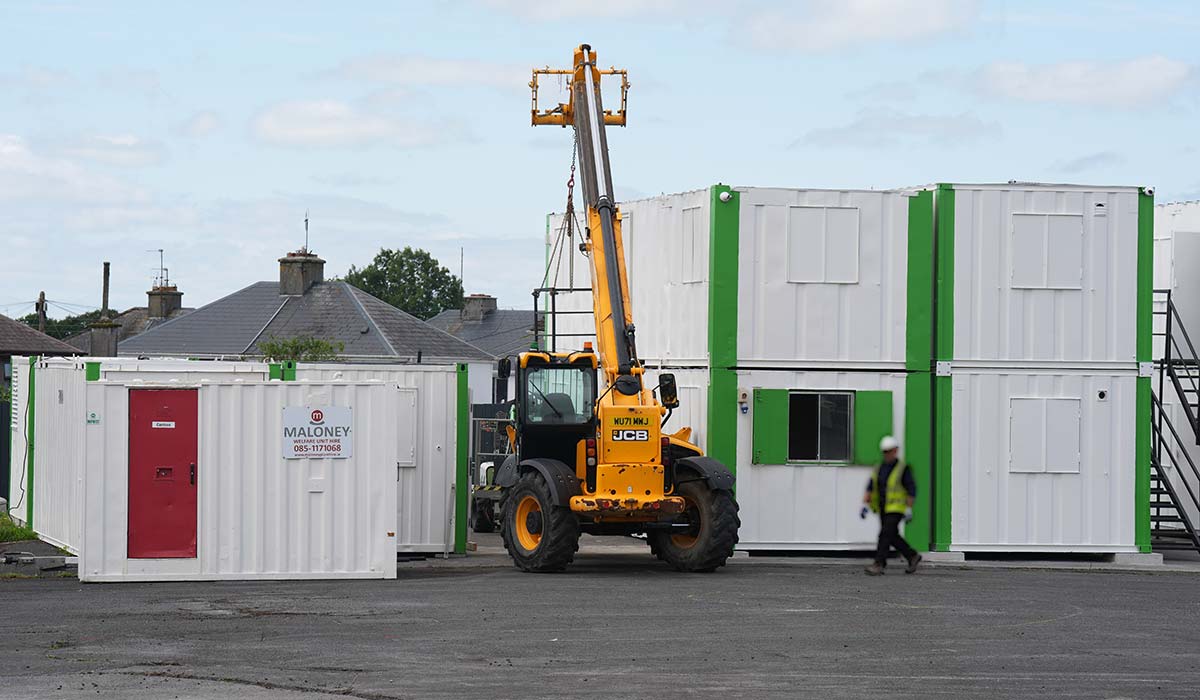
The remains were found in part of the area labelled as ‘burial ground’ in historical documents ref erenced by the Mother and Baby Homes Commis sion of Investigation.
In 2014, research led by local historian Catherine Corless indicated that 796 babies and young children were buried in a sewage system at the Co. Galway institution across that time period.
The ODAIT said excavation of the layers beneath where the infant remains were found has ‘revealed anomalies consistent with earlier historic burials’.
It said these earlier historic burials are similar to those it previously reported, where expert osteoar chaeologists had confirmed seven sets of historic, skeletal human remains were consistent with the workhouse era (1841 to 1918) of the site.
The ODAIT said it has found evidence of additional potential graves of child or infant size at the site.
During its excavations, the ODAIT also recovered some separate or ‘disarticulated’ bones, not found to be associated with burials already recovered.
These include human adult and infant bones, but it is not possible to confirm if these bones form part of remains from the institutional era or workhouse era until the ODAIT com pletes the excavation and conducts its forensic analysis