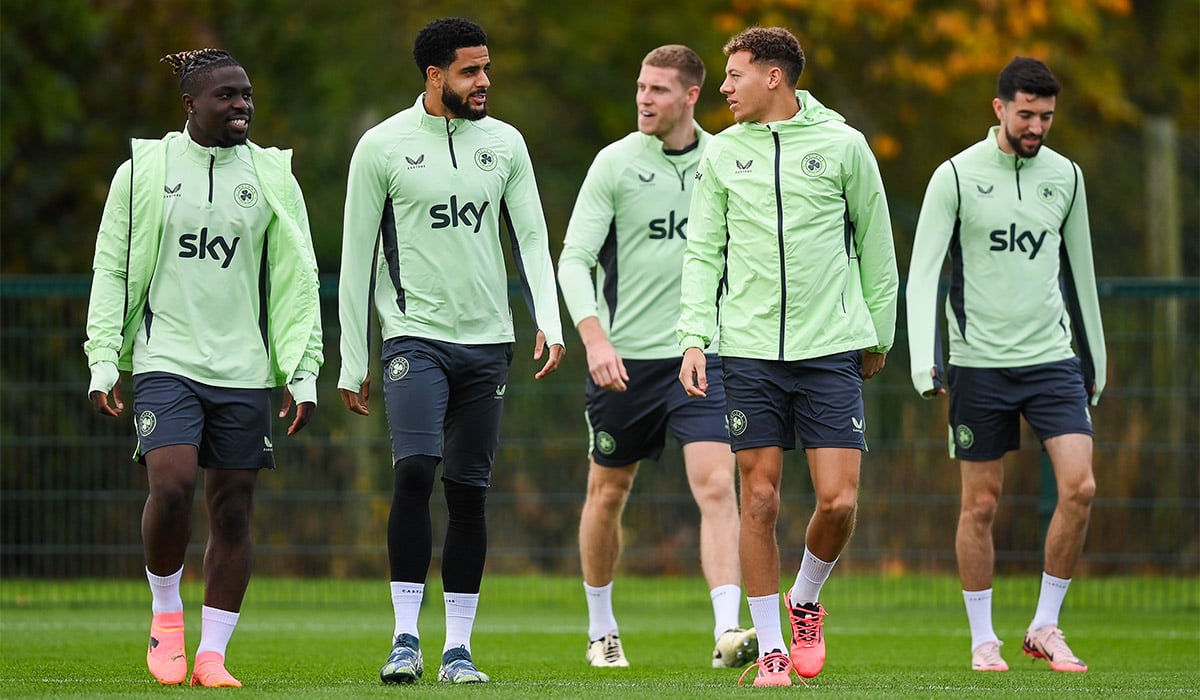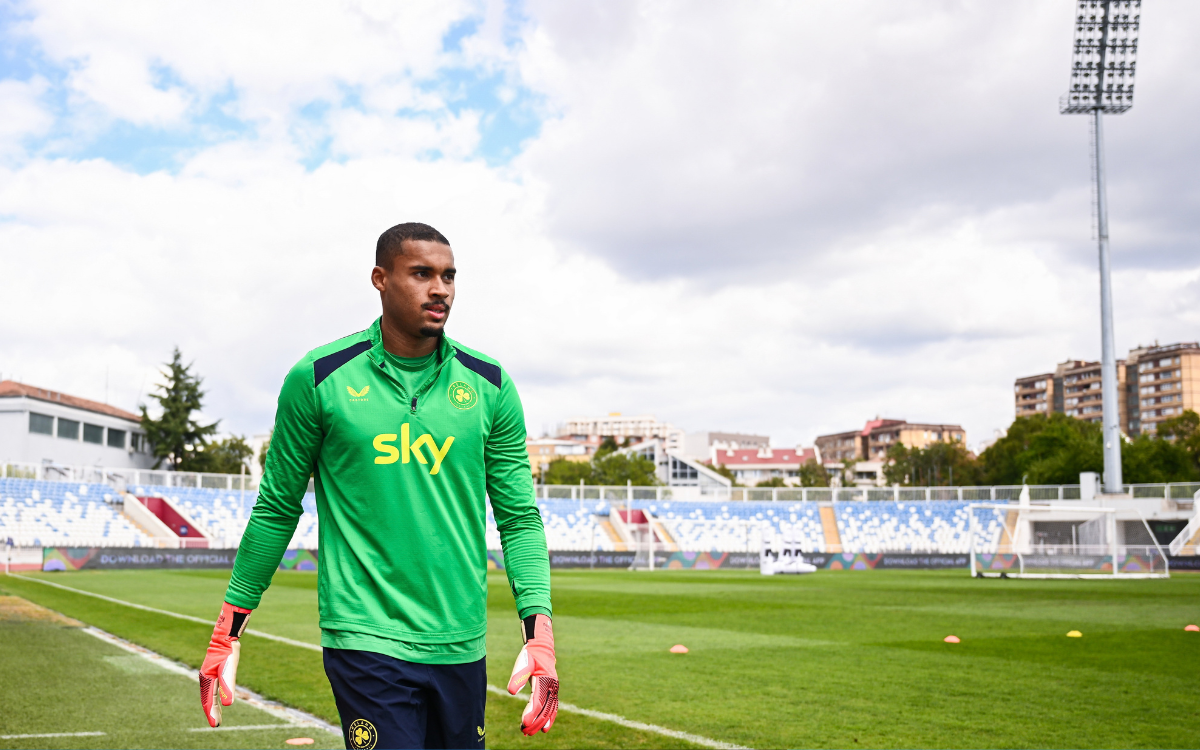
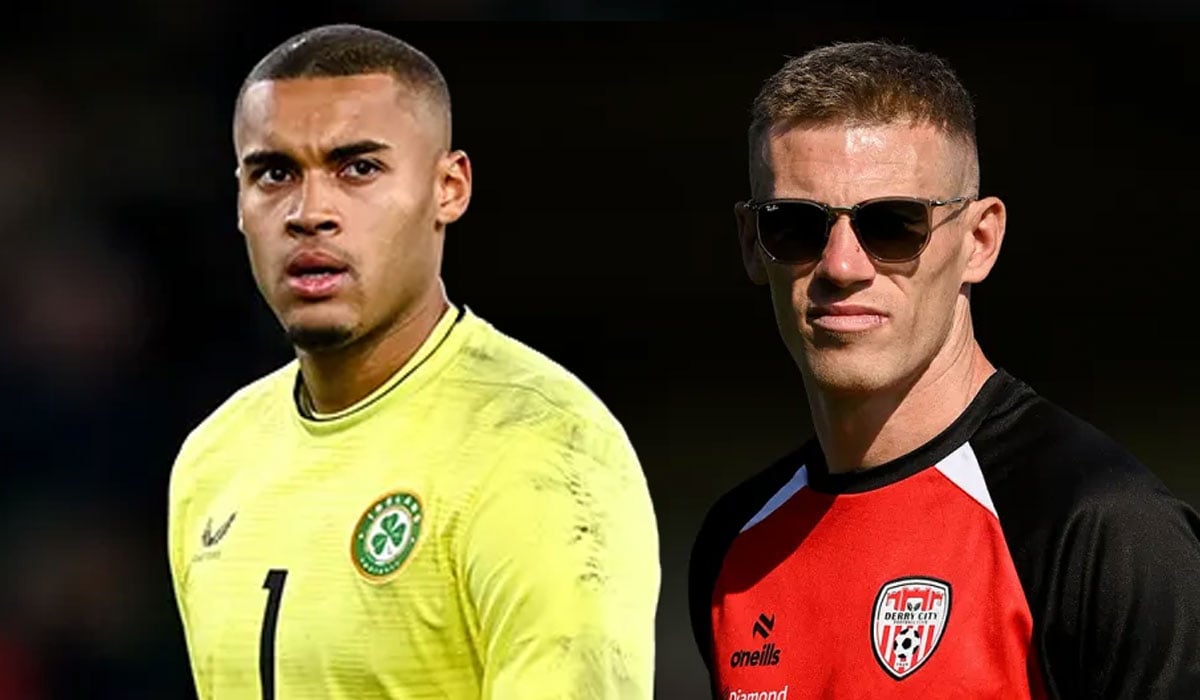

We are unclear about who will play and unclear about the sanctions for not fulfilling the fixture, but we have absolute clarity around one point: the Ireland players have been subjected to unconscionable pressure, thanks to administrative indecision but also due to a sharp increase in public lobbying that has increasingly targeted them.
For months, even those vociferously opposed to the Israel matches going ahead acknowledged that this wasn’t a situation of the players making and sought to protect them from criticism.
They blamed the FAI for not boycotting the fixtures, UEFA and FIFA for not banning Israel from international competition, and the Government for not intervening.
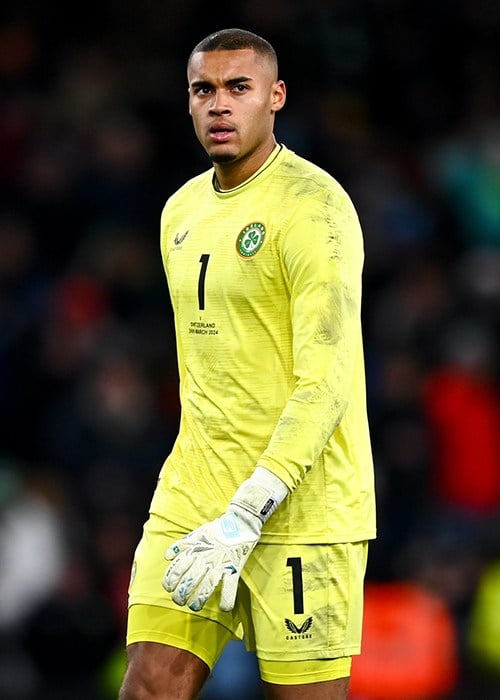
Over the course of this week, though, there was a none-too-subtle shift. A small but noisy protest outside the team hotel in west Dublin was an early public manifestation, but it snowballed from there.
Like so much else of the toxic discourse around these fixtures, it was most pungently expressed on social media.
A Stop the Game account on X put up pen pictures of the players with red slogans on a black backdrop, ‘No excuses’, ‘shame’, and ‘your choice’ among them.
The activism of a group with fewer than 2,000 followers can be dismissed, as can the vitriol that poured from countless anonymous accounts as yesterday went on, but it all contributes to an atmosphere that emerged in more mainstream contributions, too.
James McClean reduced it down to a matter of simple moral clarity – boycott and ‘you’ve the backing of a full nation’, or play and ‘history will always remember you as the ones who played the game’.
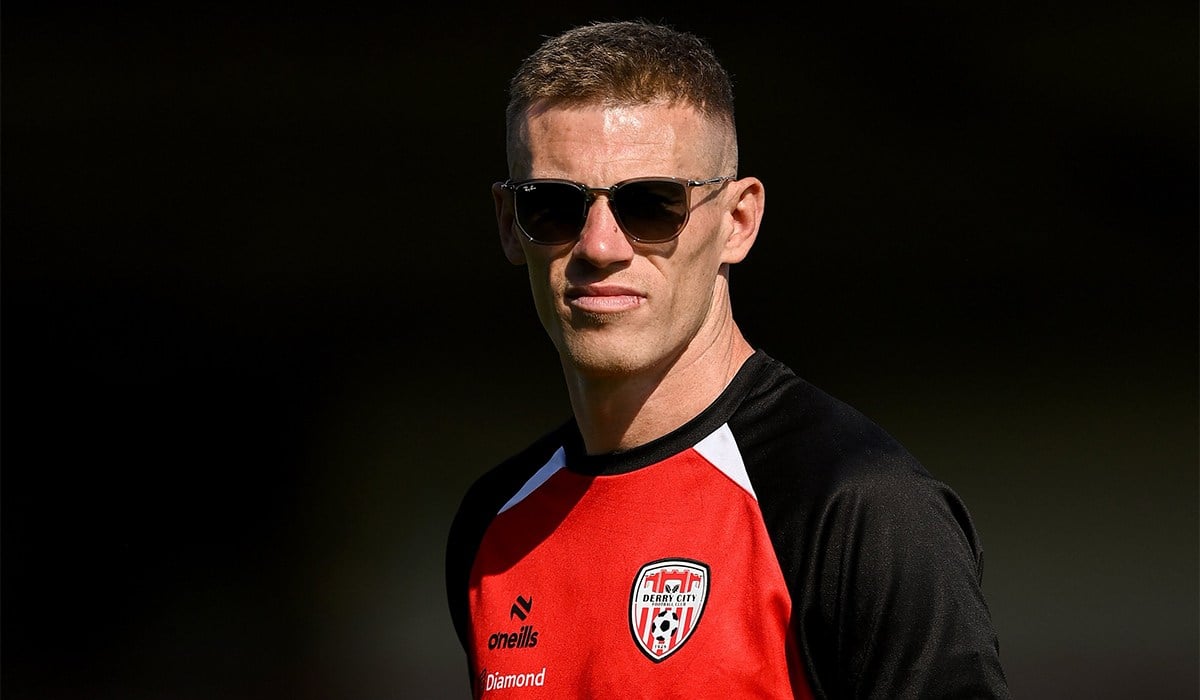
This was endlessly amplified, because of the man who said it but also because the sentiments chimed so neatly with much of the media views. Hence, more commentators began putting pressure on the players to withdraw; suddenly they had an agency that was overlooked until a few days before the first match against Israel.
Their right to exercise that must be defended to the last, but it’s reasonable to ask what changed between a squad announcement during which the manager said that every player he called agreed to come together as one, even as some of them told him of their serious misgivings, and yesterday’s chaos.
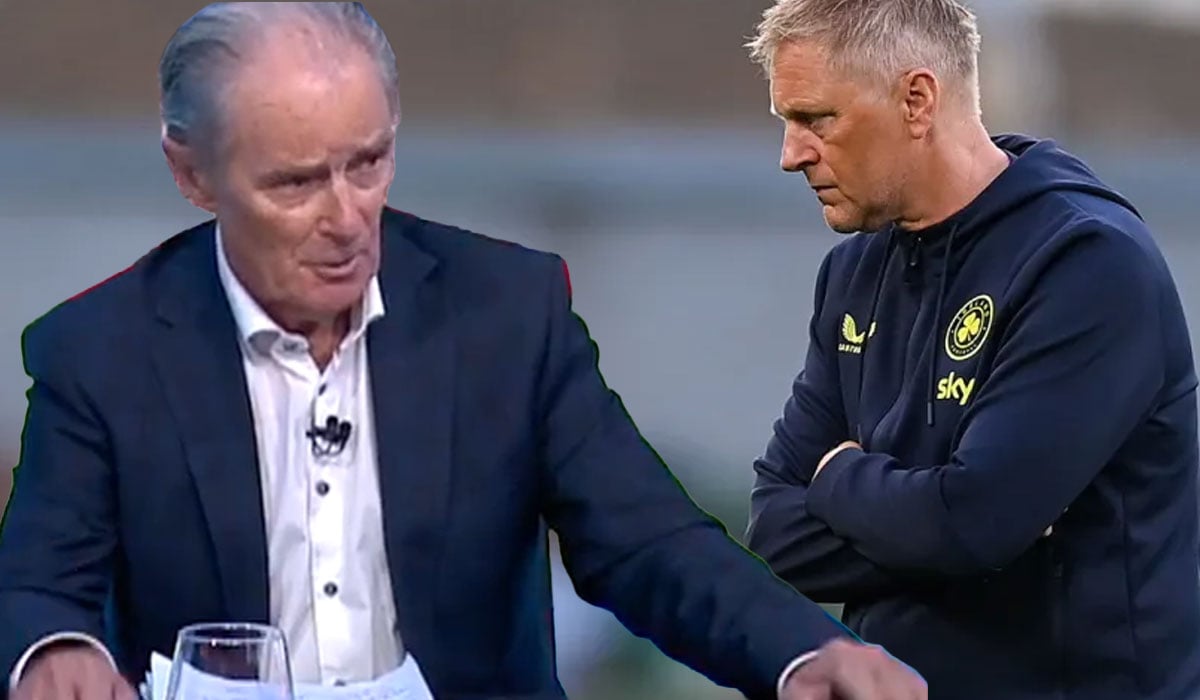
That depends on your starting perspective. Some believe Hallgrimsson has questions to answer for claiming there was a unanimous desire for the players to act as one when called upon.
Others wonder about the effects of the pressure that was applied ever-more tightly to the players over recent days.
They have been cocooned in camp for a week now, where perspective can get skewed at the best of times in such a rigidly insular environment.
And when this camp has been in effective lockdown, with minimal public engagement and protests outside, external noise inevitably gets louder.
But it’s reasonable to argue, too, that it was only when footballers primarily based in Britain returned to Ireland that they appreciated the depth of public feeling here.
That it came down to a series of intensely stressful meetings in a Hungarian city is extraordinary and indefensible, and blame can be generously spread around sporting boardrooms.
But the impact of the pressure on the players cannot be denied, and the unsettling efforts to make them culpable for boardroom decisions led to this.
The players who want a boycott and their teammates will never have experienced a week like this one, when their right to choose was besieged by intense campaigns.
Players were easy targets for those who didn’t want the Israel games to be played, but this was never their case to answer.
They were hailed as heroes at lunchtime yesterday. By early afternoon they were embarrassments, weasels and traitors.
This wasn’t the fickleness of social media, it was its nastiest mob powers mobilised against beleaguered players who only want to represent their country.
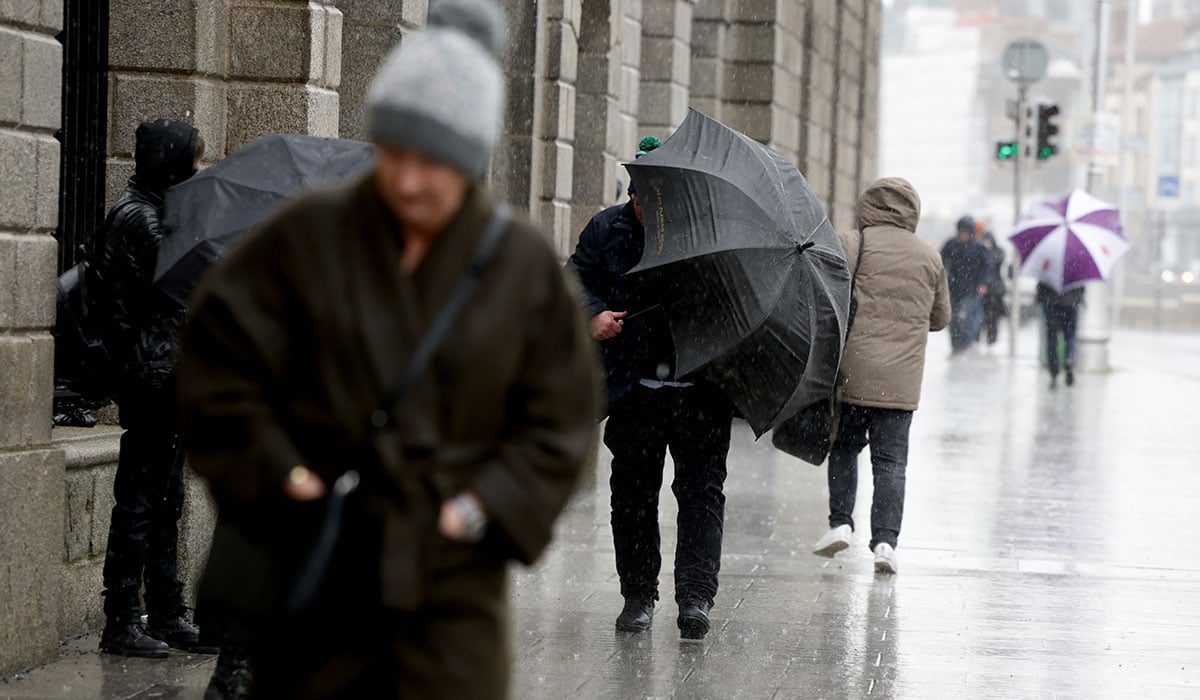
It’s just not credible to suggest that this drama had nothing to do with the suffocating environment that has settled over Ireland like a stormfront over the past 72 hours.
Their critics argue these players will never be forgiven.
Decent and reasonable people feel otherwise – but the players will never forget this.
And it should never be forgotten.