
Since the injury enforced retirement of Jerry Flannery in 2011, it is fair to say hooker has been something of a problem position for Munster.
At his peak in the mid-to-late 2000s, Flannery had a fair claim on being the best hooker in the world. Relentless workrate, power in the scrum, punishing ball carries and a level of accuracy with his throwing that helped to make Ireland’s lineout one of the most efficient in the game — Flannery was the full package.
There were a lot of good hookers on the circuit at the time, from John Smit, Bismarck du Plessis from South Africa, Keven Mealamu from New Zealand, Australia’s Stephen Moore and Dimitri Szarzewski of France, but Flannery was right up there.
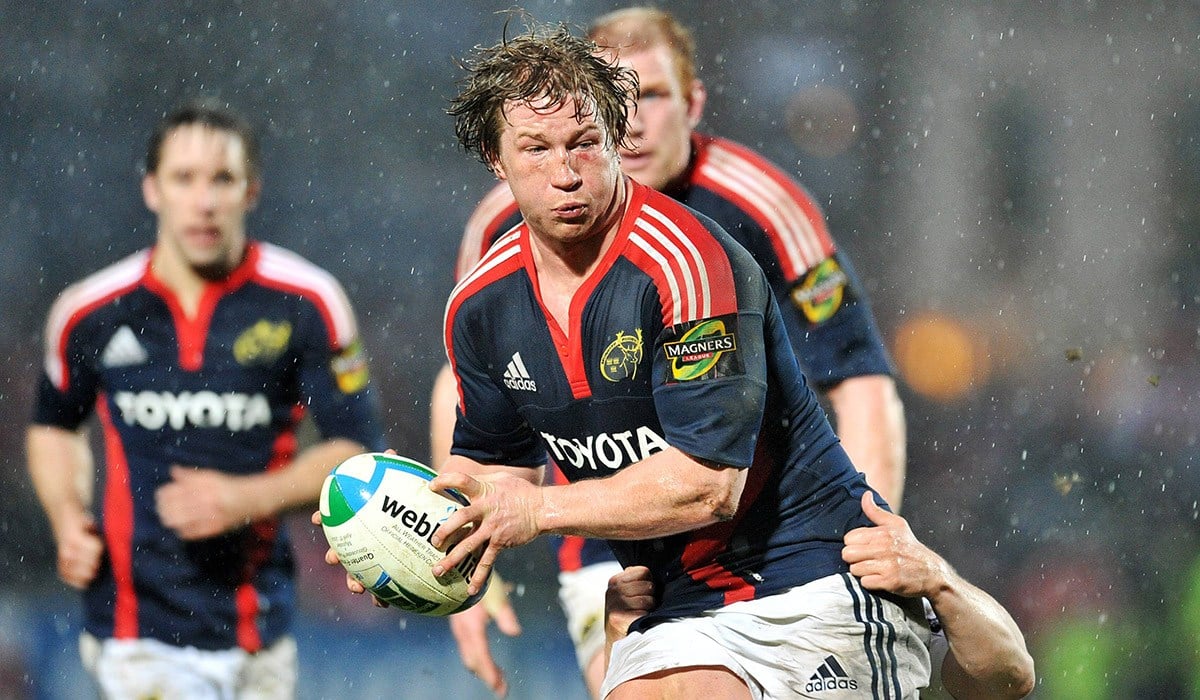
He was carrying on a rich Munster legacy, the province having produced some exceptional hookers over the years.
From Pat ‘Pa’ Whelan to Ireland captains Terry Kingston and Keith Wood and onto Frankie Sheehan and Flannery, Munster were well served in the No2 jersey from the 1970s right through to the 2010s.
Whelan had a lock on the Ireland No2 jersey in the late 1970s, the Garryowen man gaining a reputation for innate toughness that stood him and whatever team he played for well — not least when part of an inspirational Munster performance in their 12-0 win over the All Blacks in 1978.
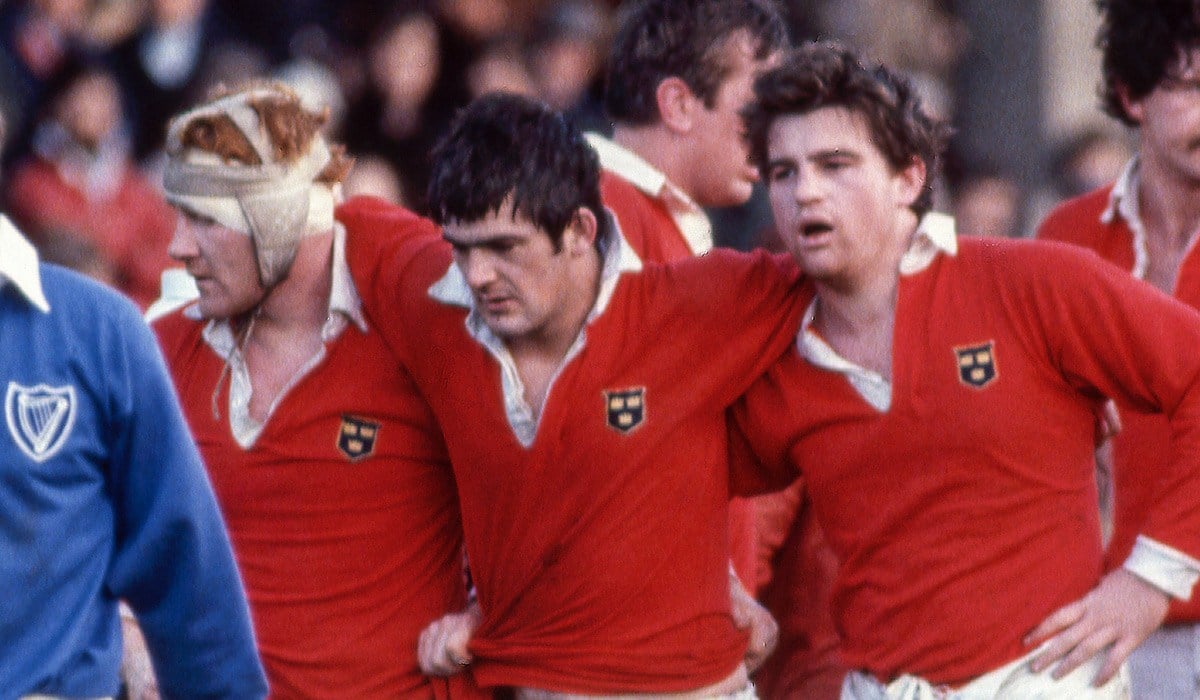
Dolphin man Kingston was cut from the same cloth and his quality was quickly recognised by Ireland, with Kingston playing in three World Cups between 1987 and 1995 (when he was captain) as well as leading Munster to a famous win over the world champion Wallabies in Cork in 1992.
Wood, the first player to be honoured with the world player of the year award in 2001, is regarded as one of the best hookers to have ever played the game, with Sheehan an elite understudy for province and country.
And, even then, in the post-Flannery era from 2011 to the present day, it was not as if Munster had terrible hooker options to choose from. The likes of Declan Varley, Mike Sherry, Duncan Casey, Niall Scannell, Kevin O’Byrne, Rhys Marshall and Diarmuid Barron are all decent operators and picked up some caps here and there — it was just that they were not at the level that had gone before and not at a level to consistently nail down a spot in the Ireland team.
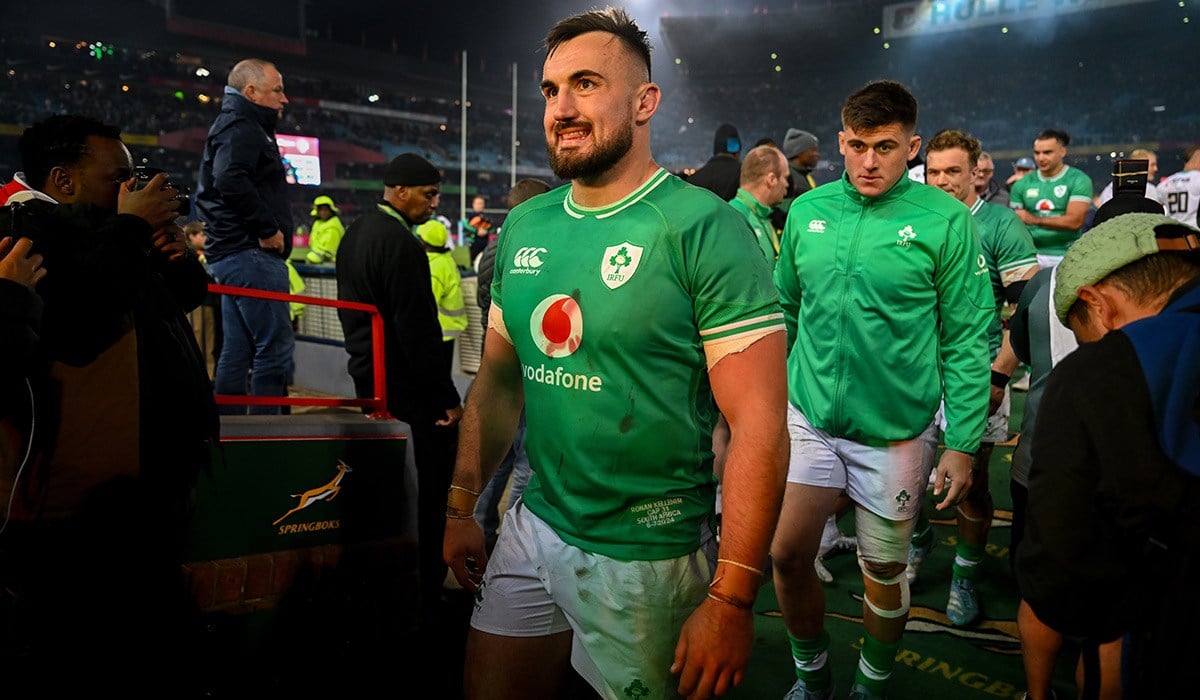
Over the last 15 years, the Ireland hooker spot has been shared between Ulster (Rory Best and Rob Herring) and Leinster (Richardt Strauss, Ronan Kelleher and Dan Sheehan) with Connacht’s Dave Heffernan offering back up as needed.
The Munster lads playing hooker have not really figured, hence the ‘problem position’ tag. It is why the province chased former Wallabies captain Stephen Moore so hard around 2015 and were so frustrated when the move fell through.
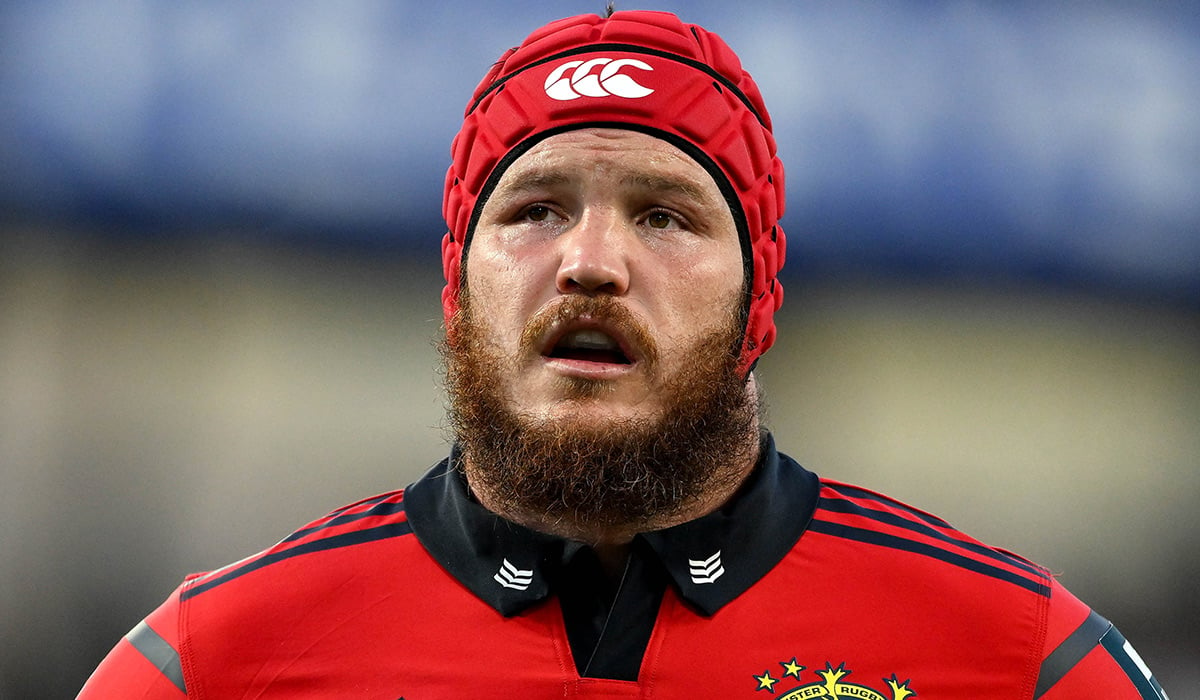
But now, even though we are only three games into the season, there is compelling evidence that Munster have finally found a solution to their hooker problem and have found a player capable of living up to the legacy of Flannery and those who went before.
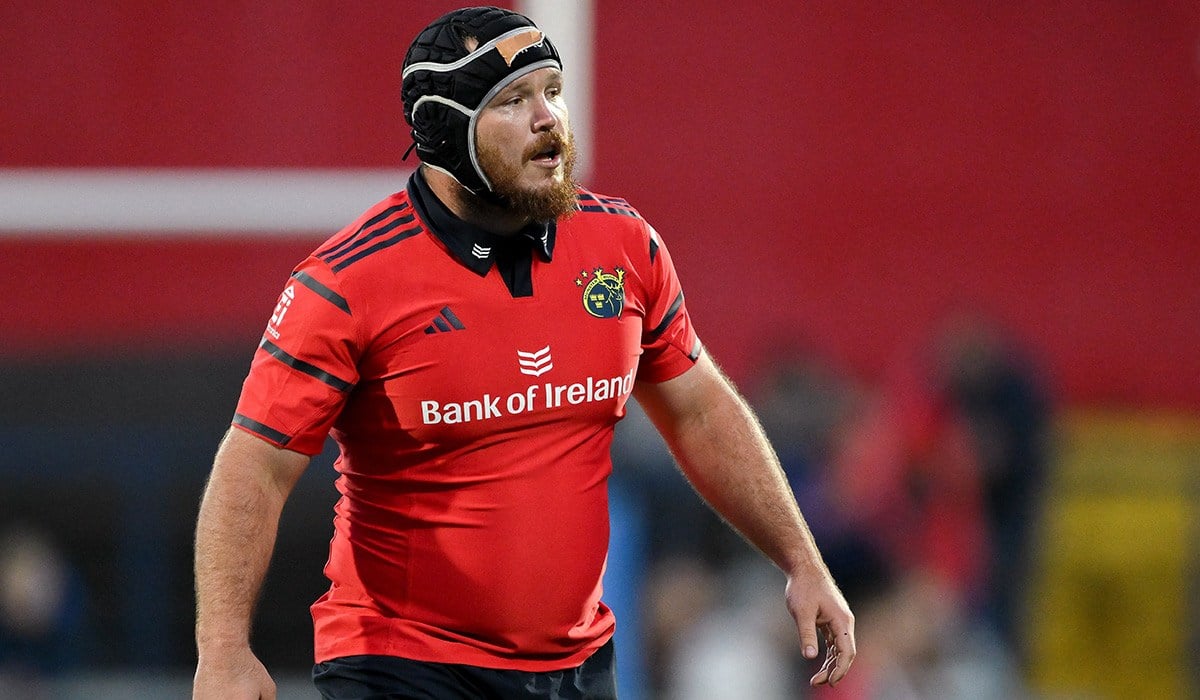
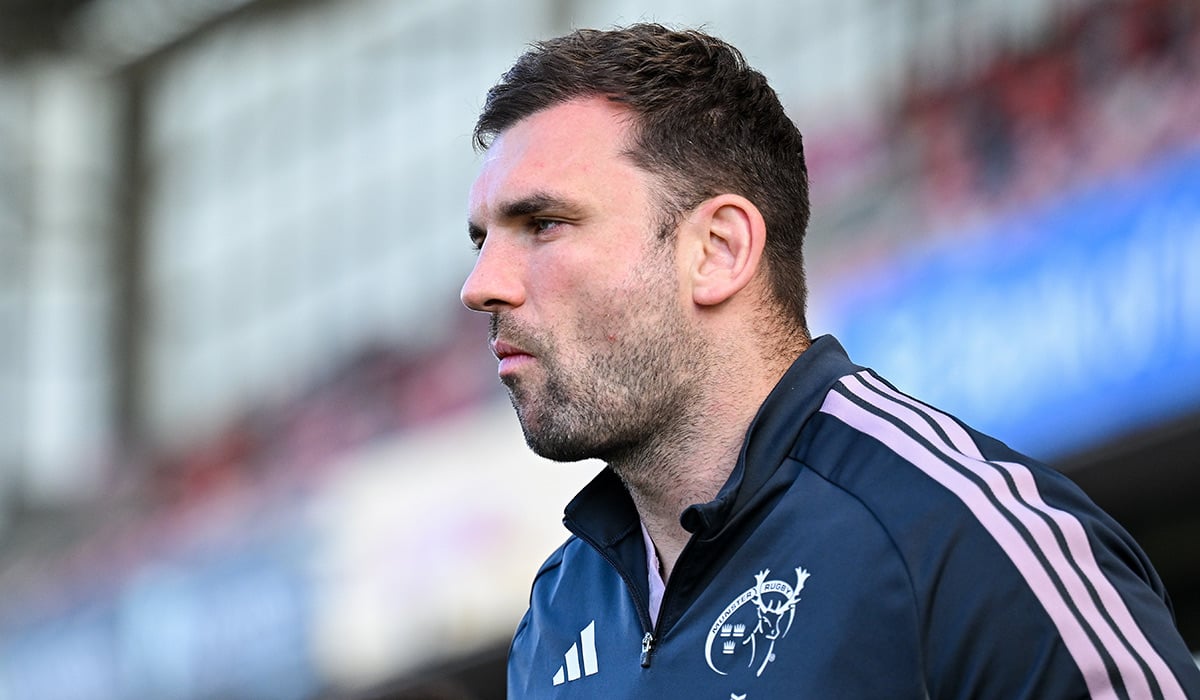
When it was announced earlier this year that Munster had recruited 29-year-old Marnus van der Merwe from fellow URC club Scarlets, it was not exactly headline news.
A solid signing, was the general consensus among pundits and supporters but, in truth, that was something of a kick to touch because not a whole lot was known about the former Free State Cheetahs No2 beyond the fact he was well regarded in the off-Broadway environs of Llanelli in south Wales.
There are certain assumptions you make when it comes to South African front rows — they will be big, physical and hard working and will excel at the set-piece.
Van der Merwe ticks all those boxes. Like Flannery, his scrummaging and lineout throwing are top-notch, and he is always looking for work on the pitch. What has exceeded expectations is the South African’s ability around the park.
For a man of his size (6ft2in, 18.5st), the former Scarlets man is very mobile and his rugby is evident in his angles of running and ability to transport himself to the place where he is most needed in the fastest possible time.
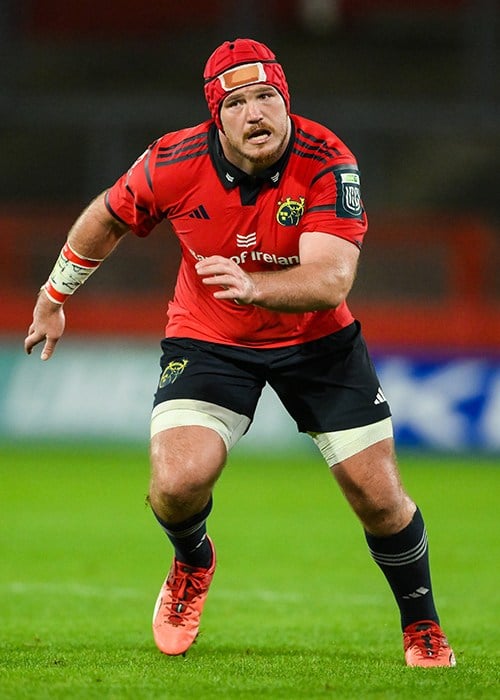
But it is the work of the threetimes-capped Springbok at the breakdown that has been most arresting. Van der Merwe’s combination of speed, timing, wide stance style and supreme upper body strength makes him a ferocious prospect for the opposition when the battle for possession commences on the ground.
The Munster operation has received its share of justified criticism in recent times, not least for its poor recruitment, with ex-players queuing up to question some ‘dud’ signings.
But they look to have got it very right with Marnus van der Merwe and in a position that for years was noticeably lacking in sparkle, Munster have got themselves a gem.