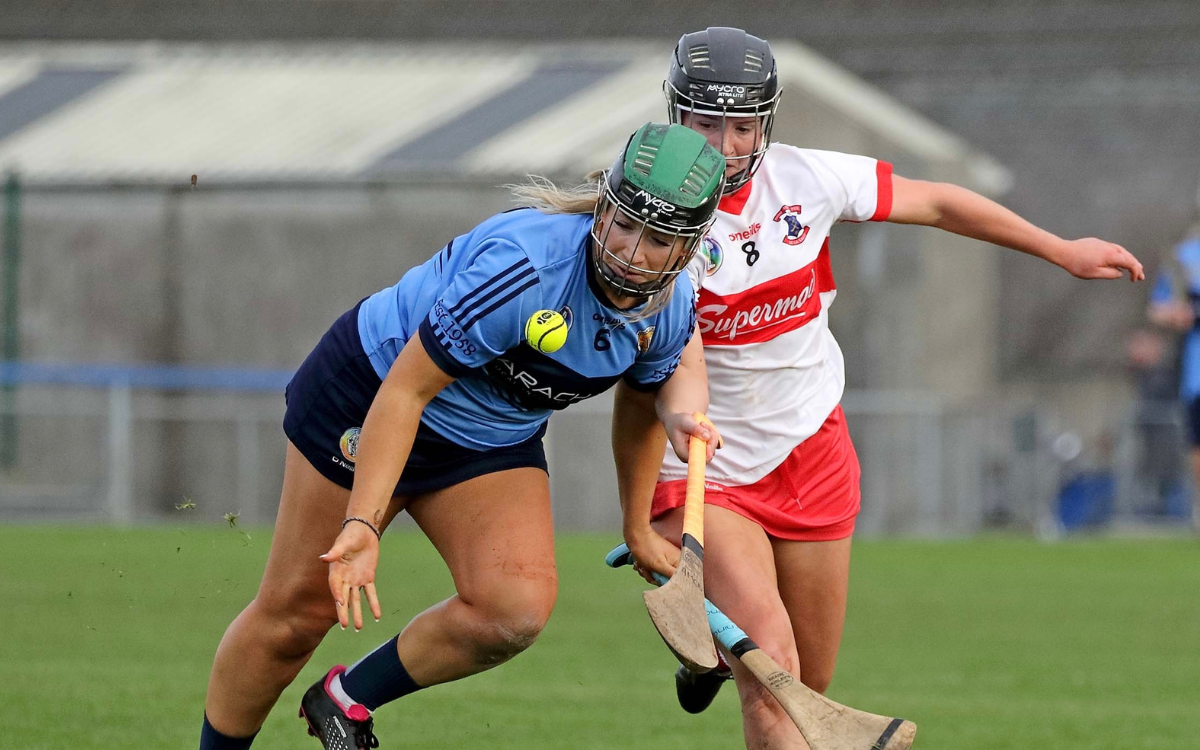


The GAA has been accused of sending out a strategic message that Mary McAleese was ‘mad’ and ‘very difficult to work with’ following the former president’s high-profile resignation from an integration committee.
Top GAA officials, including its president, Jar-lath Burns, appeared before the Oireachtas Sport Committee yesterday to answer questions about why Ms McAleese quit as chair of the steering group on integrating the GAA with the Ladies Gaelic Football Association (LGFA) and the Camogie Association.
Fine Gael’s Senator Garret Ahearn told the committee that he believed there had been a calculated move to discredit Ms McAleese in the wake of her explosive resignation in early September.
Addressing Mr Burns, he said: ‘Jarlath, you said that Mary McAleese is someone you have the utmost respect for and someone you consider a friend; there are glowing references in the statements today. You must know that there is an undercurrent of messaging that’s gone out, almost a planned strategic messaging gone out, particularly from the GAA; it’s gone down to ordinary GAA members where the view is: “She was very difficult to work with, she’s mad.”’
Mr Ahearn was then interrupted by committee chairman Alan Kelly over the negative references to Ms McAleese when she wasn’t present to address them. The senator replied: ‘There’s a valid question to this. The messaging on the ground wouldn’t be as glowing a reference as what you’d give. And I think that’s disappointing from a GAA perspective.’
Mr Ahearn clarified that he wasn’t accusing Mr Burns or any specific GAA official of smearing Ms McAleese. In his response, Mr Burns denied having heard of any such comments from within the GAA, remarking: ‘I certainly haven’t heard that, I can’t be responsible for what anyone else would say… I certainly couldn’t stand over anything that would characterise Dr McAleese as anything other than having the utmost integrity.’

Both agreed that Ms McAleese was a hugely respected individual. A spokeswoman for Ms McAleese told Extra.ie that she would not be commenting on the meeting.
Ms McAleese had said last month that there were members of the GAA ‘not entirely happy about the idea of including women in decision-making at the top level of Gaelic sports’.
The three bodies involved in the merger had committed to achieving integration by next April and Ms McAleese had appeared before the same Oireachtas committee on two occasions to state that progress had been going well, before GAA management indicated that a slower approach may be needed.
Mr Burns told the committee yesterday that unresolved financial issues and uncertainty around structures had caused concern among members and that he had no firm timeline on when the process may be complete. He said that alleged misogyny was not the issue holding the merger back.
‘For those people who think that integration has stopped or has gone back, that couldn’t be further from the truth. What Dr McAleese said is not characterised by the reality, either at the top level or on the ground,’ he said.
Asked why Ms McAleese had resigned with such discontent, Mr Burns said he believed it was because she realised the first deadline would be missed. ‘It was very disappointing for us, and we regret that deeply, but we are still very much committed to integration,’ he added.