
Take money out of it. Ignore the need to drive streaming subscriptions for a second. Forget about trying to serve one media rights partner above another.
Just look at the slate of GAA fixtures this weekend and ask: what would be the best way to promote the games?
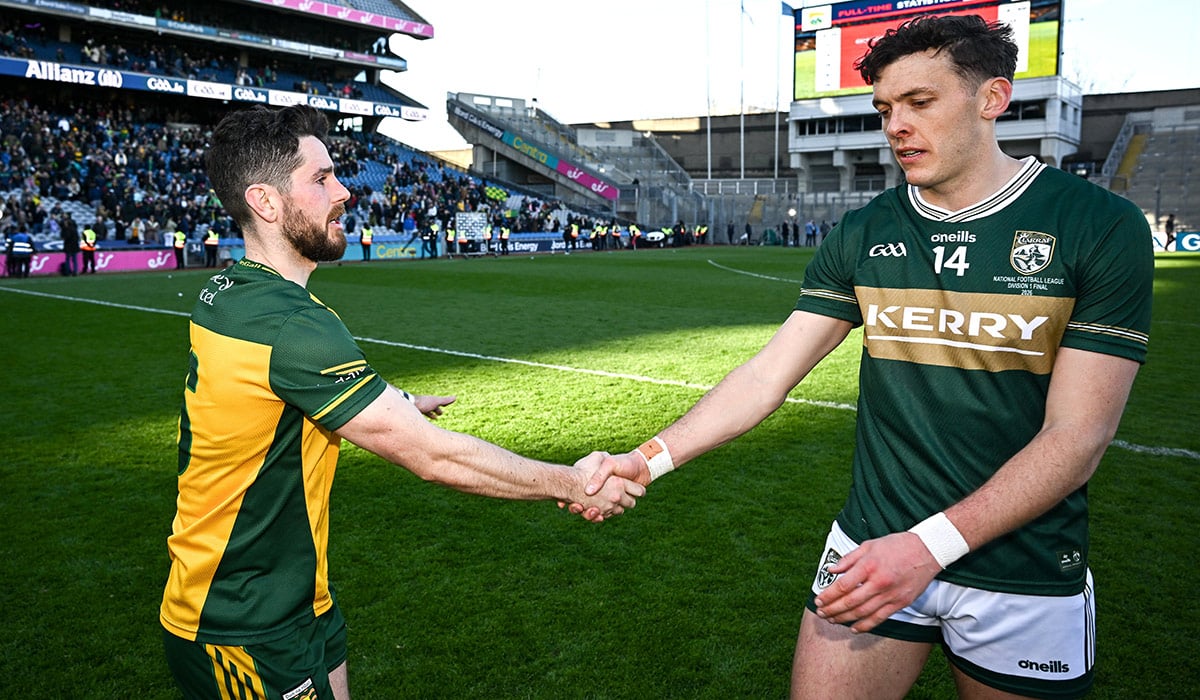
Kerry versus Donegal in Killarney in round one of the All-Ireland series is the box-office game that jumps off the page. From the moment two of the favourites for the Sam Maguire Cup were paired, there could be no disputing the biggest tie of the draw.
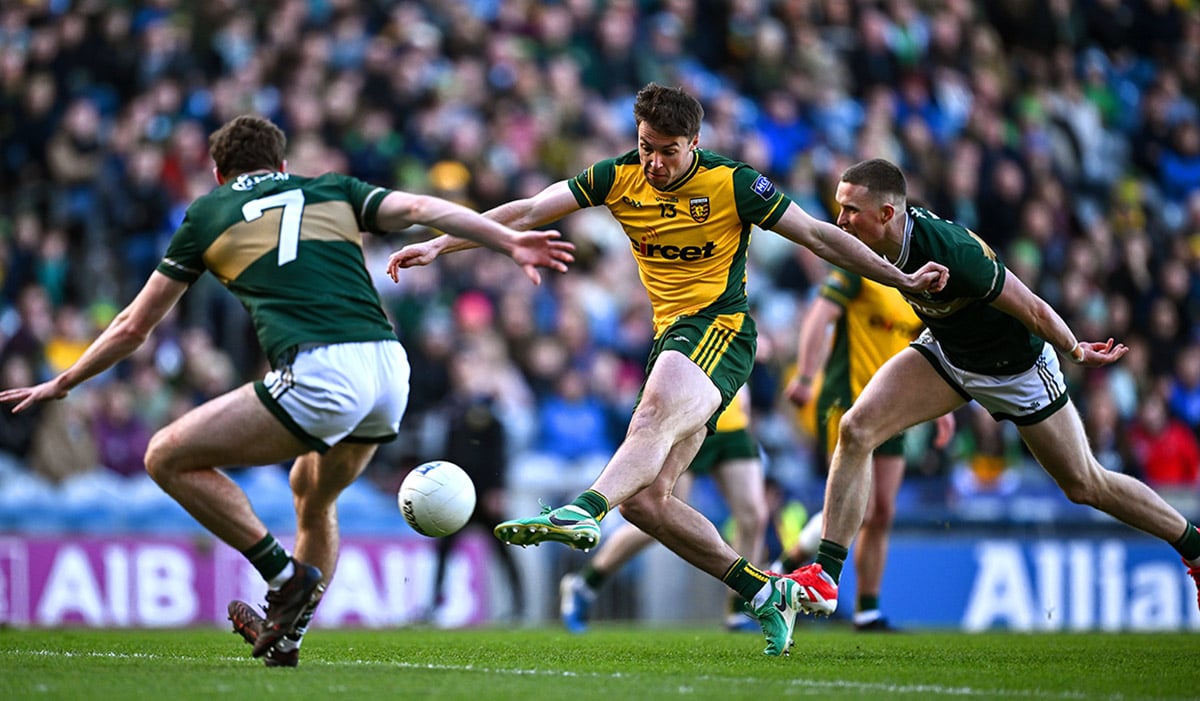
The same pairing attracted a peak of just over one million viewers on RTÉ for last July’s All-Ireland final.
If the GAA wants to maximise promotion, maximise audience reach, then it’s a no-brainer — that’s the main RTÉ fixture tomorrow, throwing in at 3pm. Cork-Meath (5.30pm at Páirc Uí Rinn) and Galway-Kildare (7.30pm at Pearse Stadium) look perfectly tailored for the GAA’s own live streaming service GAA+.
On Sunday, the championship hurling fixture with the most riding on it is Dublin-Kilkenny with the possibility of a Dublin win knocking Kilkenny out of the championship. Let RTÉ have that as planned. Time for Leinster hurling to have the stage after Munster has dominated the live schedules.
But let TG4 take Cork-Clare at Páirc Uí Chaoimh. Why is it that a station that does such service to Gaelic games the year round is frozen out for the All-Ireland senior championships? The Irish language and its flagship station deserves to be attached to the GAA’s main championship.
The existing media rights deal which runs up until 2027, should have been fluid and flexible to accommodate a sporting arm that in Gaelic games, is often a gold standard. BBC too have been a hugely worthwhile addition as a media partner.
GAA+ is down to screen the clash between newly crowned Connacht football champions Roscommon and Ulster side Tyrone. Again, if you want to maximise promotion and reach, let the BBC run with that one. In this case, the hurling and football games being broadcast on two terrestrial platforms simultaneously at 2pm would, to a large extent, have their own distinct viewership.
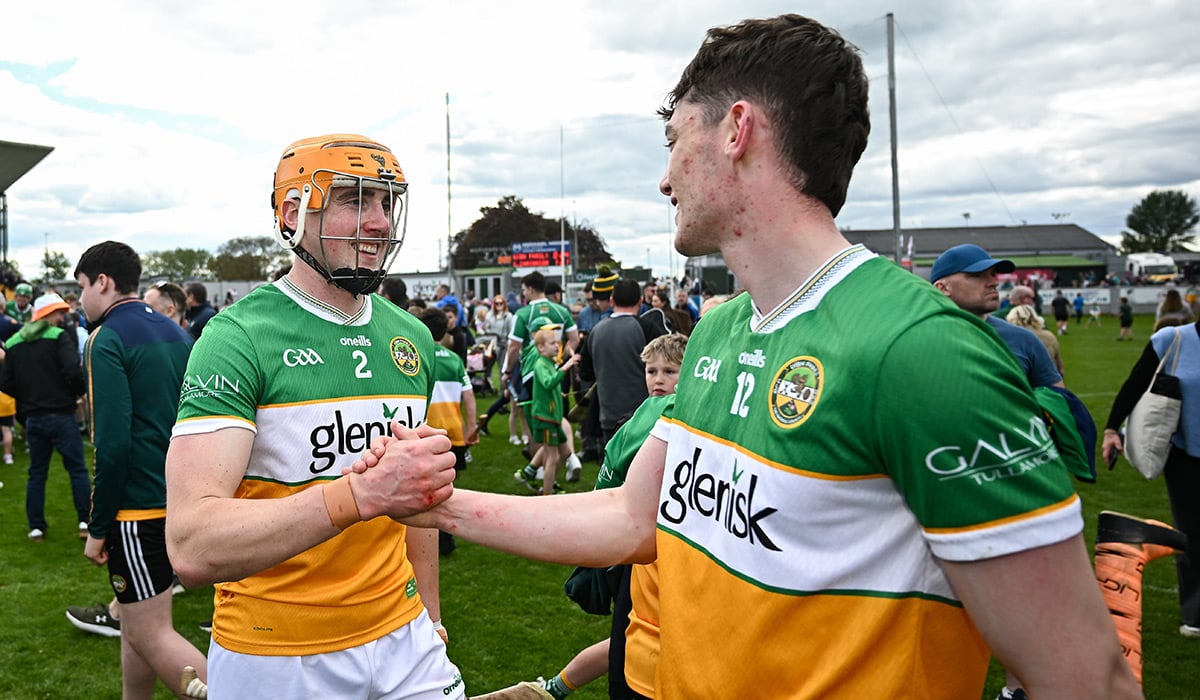
GAA+ has Kildare-Offaly (Newbridge 2pm), another key game in the Leinster hurling championship, as well as showcasing Fermanagh against Wexford in the Tailteann Cup at 1pm.
To me, that’s a media rights package for a single weekend that would do far more for the promotion of Gaelic games. But, as we all know, that isn’t the case.
Kerry versus Donegal is behind a paywall in the shape of GAA+. It’s a calculated move to drive subscriptions for the streaming service which has decoupled from RTÉ and invested heavily in its own studio, expanded staff and fleet of analysts. But if GAA+ isn’t going to be a positive promotional vehicle for Gaelic games, then what is the point?
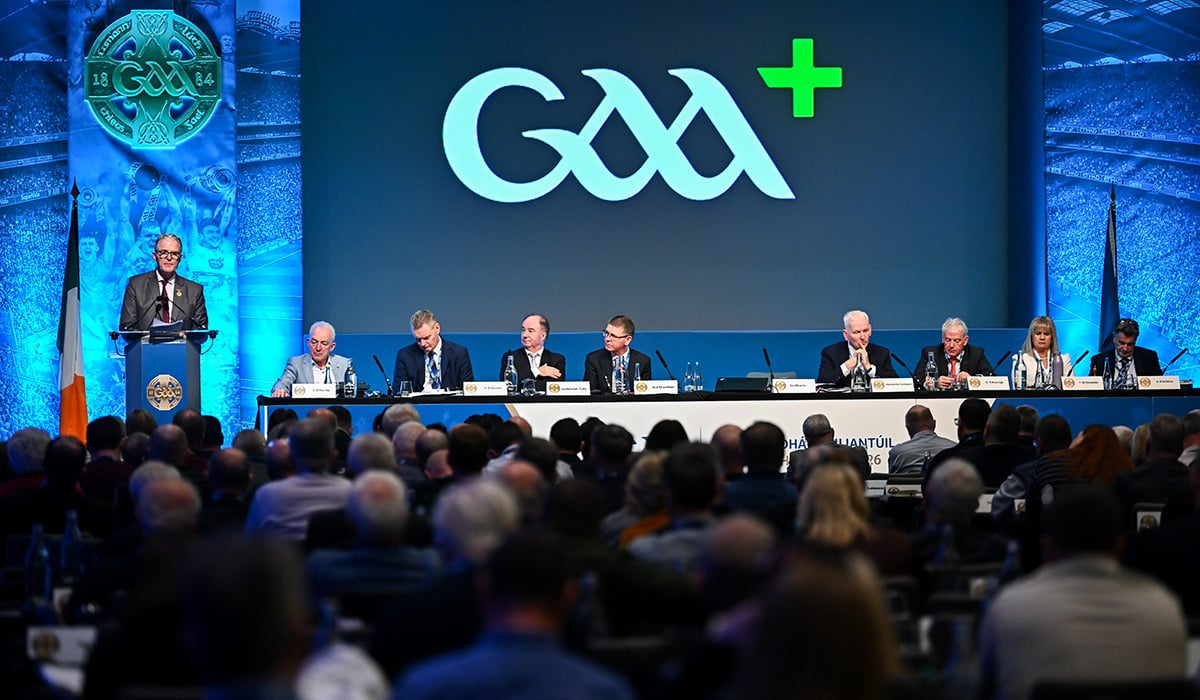
This column has long been an advocate, in principle, for GAA+ and the strategic sense in the association developing its own in-house media partner.
This is the age of streaming, whether every supporter likes that or not. The GAA has to have a foothold in that space.
‘Future-proofing’ is how Noel Quinn, Head of GAA+, put it. In so many ways, the GAA+ expansion and investment makes sense.
Which makes the policy of cherry-picking some of the best games and hiding them behind a paywall — and that’s the unvarnished truth of any sports fixture that isn’t available free-to-air — so hard to understand.
There is so much right about the model in theory and yet so much wrong about the fixture choice. Because ostracising fans is self-defeating. Limiting the promotion of key games is self-defeating.
Listen to your audience. Waterford hurling great John Mullane has decried how the small ball game — and the promotion of his own county — has been sidelined by an approach that he said amounts to ‘hiding the jewels in the crown’ adding: ‘The future of the GAA is heading in a dangerous direction, and it is all based off greed, pure and utter greed’, citing the lack of terrestrial coverage for Waterford’s Munster championship games against Cork and Limerick.
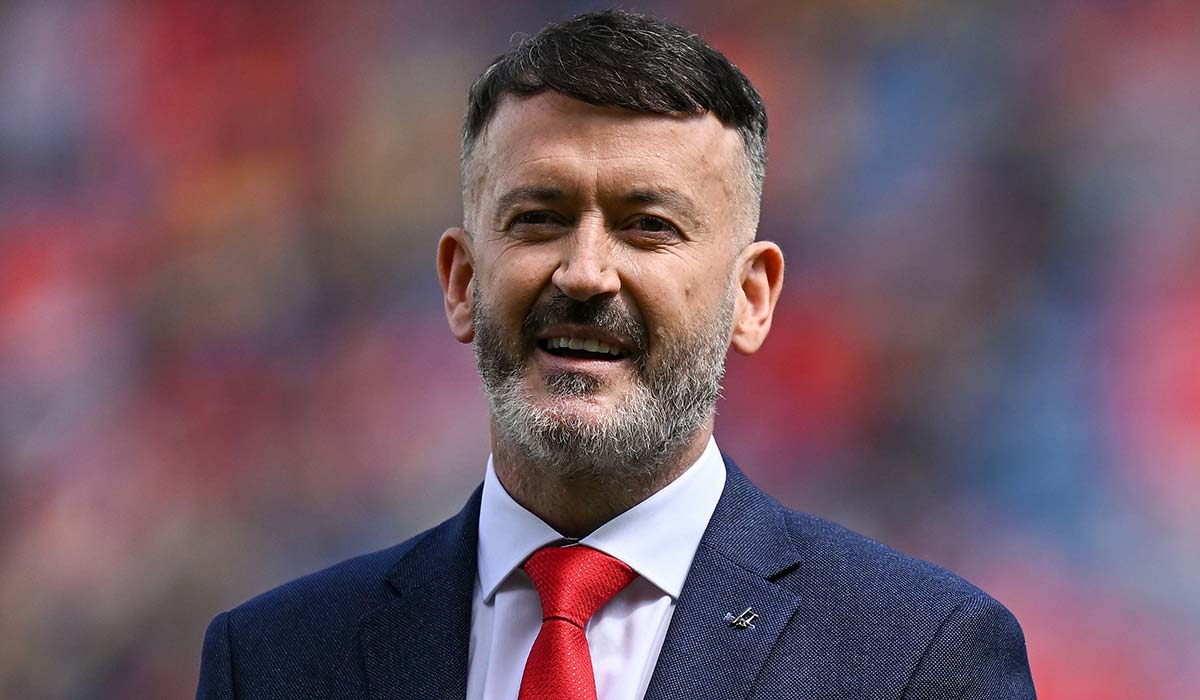
Cork’s three-time All-Ireland Donal Óg Cusack, a hurling analyst on RTÉ, spoke for many when he said: ‘Someone in Croke Park and someone in Montrose… thought it was a good idea to make a small amount of profit next year, or a perceived profit in the future, on the back of hurling and it does nothing for the game.
‘The Government should come into this and take a serious look because I believe both institutions are not doing their duty in this case.’
IN the case of GAA+, the very name suggests a positive. It’s raison d’etre surely is to act as a positive addition to the media landscape.
But by deliberately paywalling key games — RTÉ for example put in for Tipperary-Clare in Munster last Saturday and Kerry-Donegal this weekend only to be knocked back — it’s working in reverse. Almost as a minus.
And ‘GAA-‘ is not how you want to be thought of in the minds of supporters. It really is a simple fix. The GAA’s next media rights deal has to be more fluid, and allow a mix of terrestrial broadcasters, including TG4. Why not?
Their coverage of the U20 Munster hurling final last week for example drew in more than 100,000, with 228,700 viewers tuning in live across five underage GAA games shown free-to-air across TG4 platforms.
Just let GAA+ work around the biggest games and supplement the coverage in the quality way it has been doing. Be a positive addition.
The mid-week shows on the platform are a distinct addition. The provincial football final preview show generated 29k views. There was a total of 61k views for the live round one draw for the All-Ireland football championship – exactly what the platform is suited for.
The timeline for integration with the Camogie Association and Ladies Gaelic Football Association is 2027 and the GAA need to be thinking of a fluid, more encompassing media rights deal that covers the family of Gaelic games. GAA+ is perfectly suited for that space where the menu of games will only be expanding.
In July 2024, Gaelic football and ladies Gaelic football gained formal State recognition as part of Ireland’s ‘Living Cultural Heritage.’ That was after hurling and camogie were added to Unesco’s list of ‘Intangible Cultural Heritage’ back in 2018, to be protected and safeguarded.
Then GAA president John Horan greeted that with: ‘All of us involved in the association are charged with ensuring that the promotional work we undertake preserves hurling for future generations.’ Same goes for football. There was no mention trying to coin a few extra subscriptions.
It’s a simple fix, to use GAA+ to supplement a media rights model that is underpinned by free-to-air terrestrial television coverage. It’s not too late to change tack.