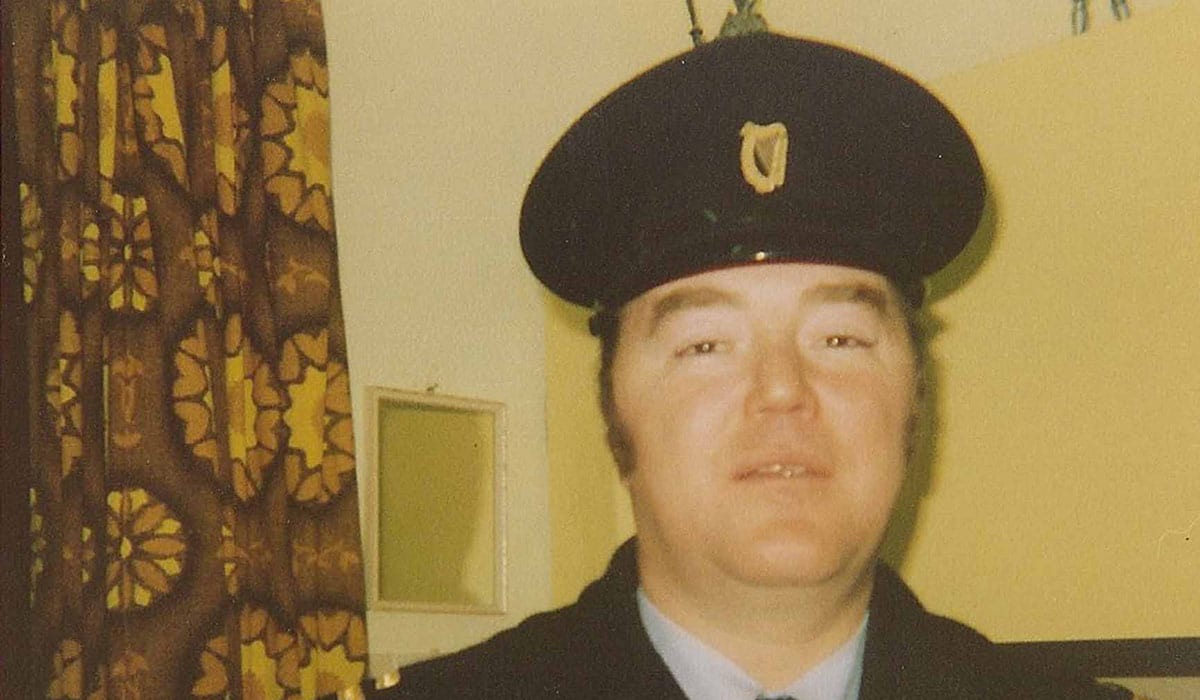
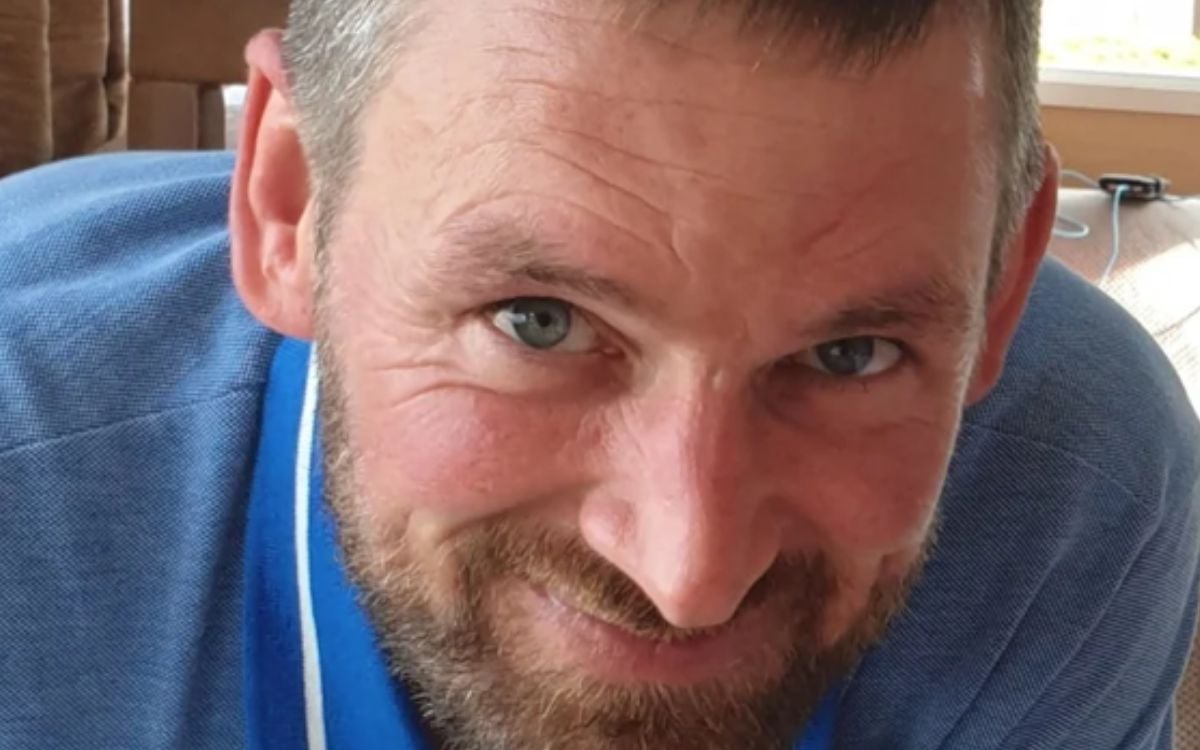

An inquest into the death of Nicholas Kennedy, a 41 year old father of three from Waterford, has returned a verdict of medical misadventure at University Hospital Waterford.
The hearing at Waterford Courthouse was told Mr Kennedy died following a severe allergic reaction to the antibiotic Augmentin, which contains penicillin, after being treated at University Hospital Waterford.
Coroner John P Goff concluded that a critical failure occurred when clinicians did not connect early signs of an allergic reaction to the drug that had been administered.
He said the central issue in the case was that a clear link between Mr Kennedy’s seizure and the antibiotic was not made.
Illness and initial treatment at home
The inquest heard Mr Kennedy first attended his GP on 23 December 2023 with flu like symptoms.
He was prescribed steroids, a cough bottle, and the antibiotic Augmentin.
That evening, shortly after taking the medication at home, he became seriously unwell.
His partner, Bernadette Buckley, told the inquest he suffered a seizure lasting around 15 seconds, along with dizziness, sweating, and a widespread rash.
She told the hearing she immediately raised concerns that he was having an allergic reaction to the antibiotic and relayed this to emergency services when she called an ambulance.
She also showed paramedics the medication box, identifying Augmentin as the drug taken shortly before his collapse.
Admission to hospital and repeated warnings of allergy
Mr Kennedy was brought by ambulance to University Hospital Waterford on Christmas Eve 2023.
The inquest heard both paramedics and triage nursing staff documented a possible allergic reaction to Augmentin in their clinical notes.
However, evidence given to the coroner indicated that this information was not properly acted on at senior medical level.
Ms Buckley told the hearing she repeated her concerns to staff on arrival at the emergency department, including to the triage nurse and the on call doctor.
Despite this, the clinical pathway continued without a confirmed diagnosis of drug allergy.
Emergency department assessment and missed warning signs
A senior house officer, referred to in evidence as Dr Mohammed Kadir, told the inquest he did not review the paramedic or triage documentation before assessing Mr Kennedy.
He accepted that this was standard practice in some circumstances, but acknowledged under questioning that he had not fully connected the sequence of events, including the initial seizure after taking Augmentin.
The doctor initially considered a respiratory infection or possible sepsis and, following discussion with a senior colleague, the decision was made to administer Augmentin intravenously.
Critically, the inquest heard this decision was made despite earlier documented concerns that the drug itself may have triggered the initial reaction.
A subsequent dose of Augmentin was then administered in hospital.
Shortly afterwards, Mr Kennedy suffered a second, far more severe reaction. He never regained consciousness.
Medical cause of death
A post mortem report read into evidence confirmed the cause of death as anaphylaxis, a severe and life threatening allergic reaction.
The inquest was told the second exposure to the antibiotic triggered catastrophic deterioration, resulting in severe brain injury before his death in intensive care six days after admission.
Hospital review and apology
A subsequent internal and external review by the HSE concluded that Mr Kennedy’s symptoms were consistent with an allergic reaction that was not recognised by the treating doctor.
The review found an alternative, non penicillin based antibiotic should have been used.
It also concluded that had this happened, the death would likely have been avoided.
A letter from the Chief Executive of University Hospital Waterford, Ben O’Sullivan, dated June 2026, was read at the inquest.
In it, he expressed sincere apology to the family and acknowledged that the wrong antibiotic had been administered.
The report also made a series of recommendations, including that any suspected drug allergy raised by family, paramedics, or nursing staff should be treated as a confirmed allergy until disproven.
The coroner indicated this recommendation should be considered for adoption across the HSE.
Staffing and systemic concerns raised
The inquest also heard evidence about pressures within the emergency department.
Consultant Dr Desmond Fitzgerald told the hearing that at times the department operates with only one registrar overnight.
He contrasted this with other Model 3 hospitals, where two registrars may be on duty, and said this created a significant cognitive burden for senior decision making.
He also told the inquest he had repeatedly requested additional staffing resources, but had been unable to secure funding.
Verdict of medical misadventure
Delivering his conclusion, Coroner John P Goff said the case amounted to medical misadventure.
He said the failure to recognise the allergic reaction and the decision to administer the same antibiotic again were central to the tragedy.
He also remarked on delays in the publication of the external review, stating it came far too late.
Addressing the family directly, he said: “You shouldn’t have lost your son.”
The inquest was told Mr Kennedy was a father of three young children and worked full time on the family farm.
His mother, Kathleen Kennedy, described him as a strong man in the prime of his life, and said the family remains completely devastated by his death.
Conclusion
The inquest heard repeated opportunities existed to identify a likely allergic reaction, including clear warnings from family members and clinical notes from paramedics and nursing staff.
Despite this, the drug suspected of causing the reaction was administered again, resulting in a fatal outcome.
The coroner’s verdict of medical misadventure reflects a chain of missed clinical connections that ultimately proved irreversible.
The HSE responded to WLR saying “While the HSE cannot comment on individual cases, due to the ethical requirement to maintain confidentiality, the HSE offers its heartfelt sympathies and condolences to the family, partner and friends of the deceased at this difficult time”.