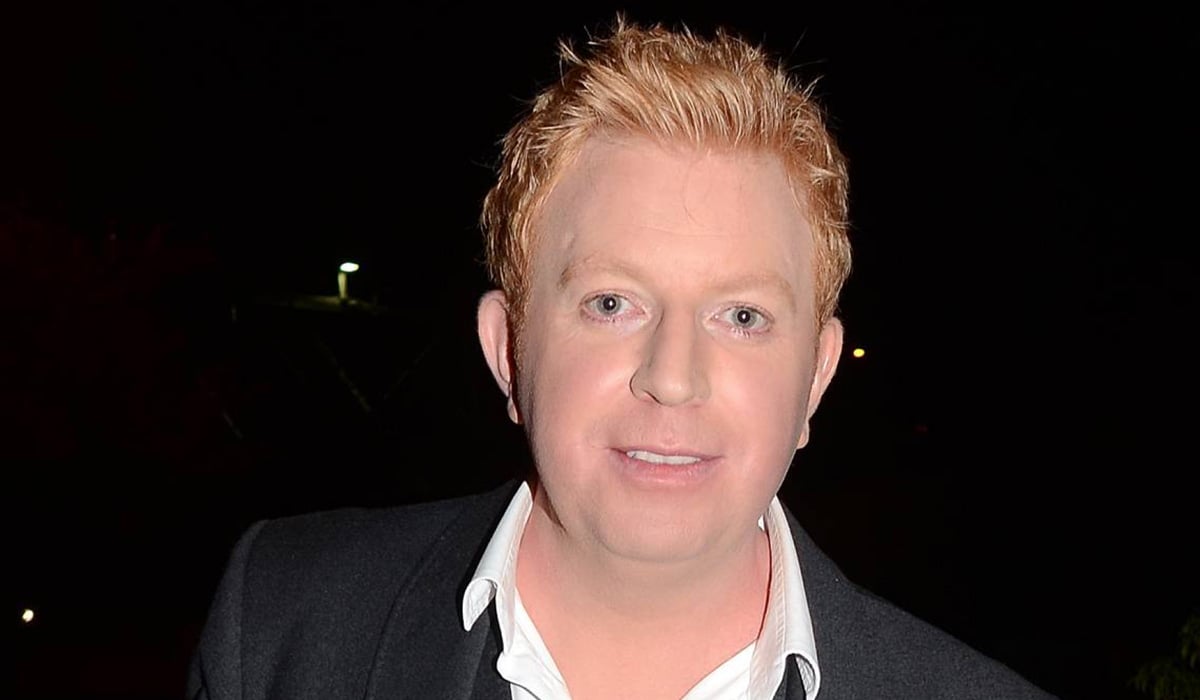

Irish singer Tommy Fleming has spoken publicly for the first time about the end of his marriage, revealing he is gay, that he attempted suicide in September, and that he was admitted to St. Patrick’s Hospital for treatment for depression and anxiety.
Speaking to Ciara Kelly on The Hard Shoulder on Newstalk, Fleming, who rose to fame as a young man from Sligo and famously performed at Carnegie Hall at 22, opened up in an emotional interview, saying he wanted to share his own truth.
‘I would love to say to set the record straight, but it is the wrong choice of words in some places, but to give my side of it too. Honestly, here, to give you my truth. That is why I am here,’ he said.
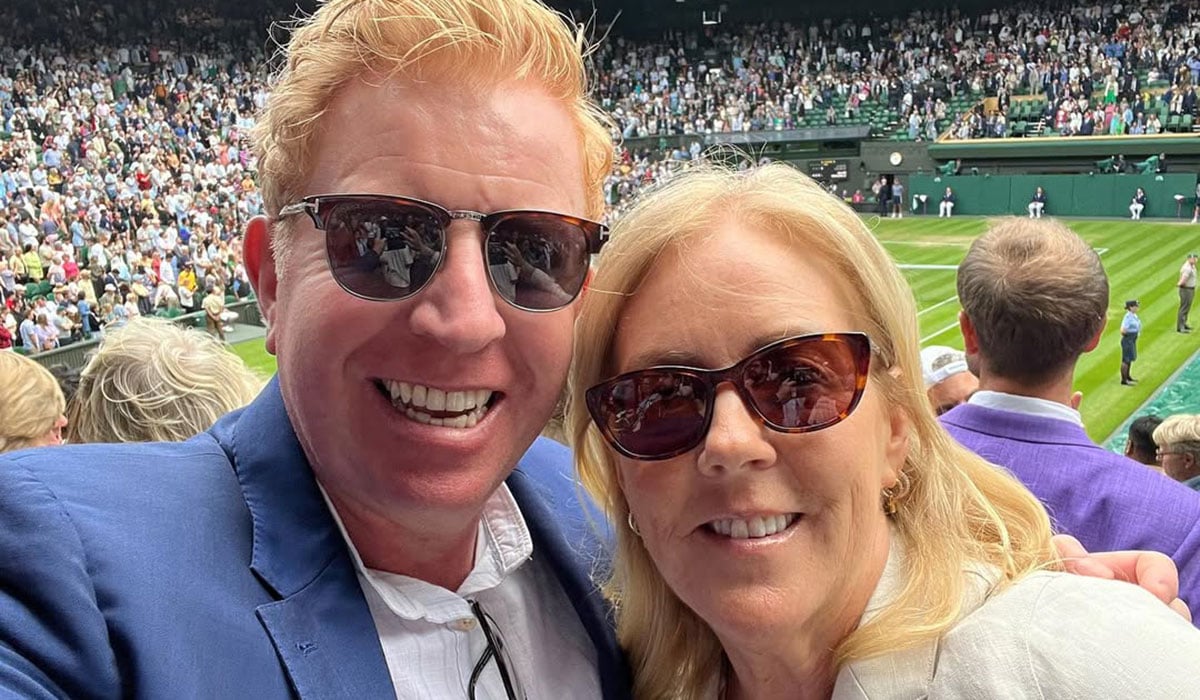
The singer, who separated from his wife and manager, Tina, on the 17th of September after nearly 20 years of marriage, revealed that the breakdown had been brewing for years.
‘This year, we would have been 20 years married. For at least 10 to 13 years of the marriage, we were very happy. But small cracks started to appear, mainly for me. Smaller cracks that were never mended, and with every crack that appeared, there was a new crack and a new crack. And those cracks became a chasm.’
Fleming said the root of his unhappiness was that he had spent his entire life hiding who he truly was.
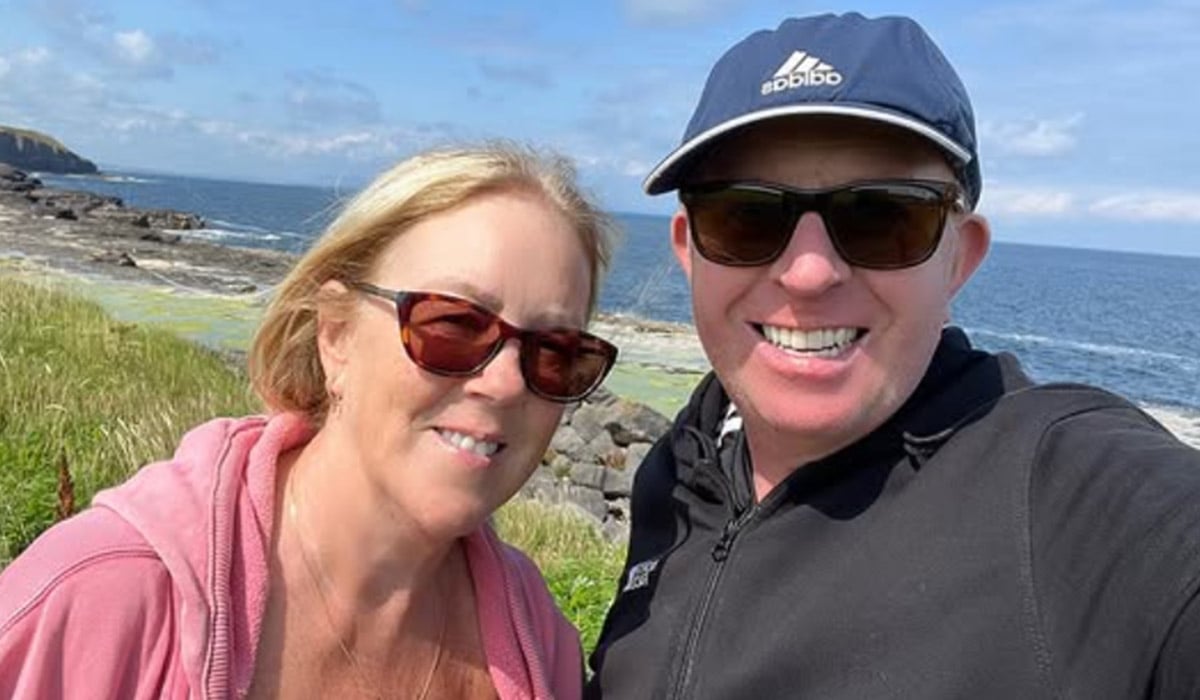
‘I was not living a life for all of my life, really. And the hardest part of it was the energy and the effort it took for this light to be constantly covered and to be, I suppose, protected. And that lie was that I am gay.’
Visibly emotional, Fleming confirmed it was the first time he had ever said those words publicly. ‘I am gay. And I can finally live my truth. I am finally being honest, being able to live a life that is true and real and just honest.’
Reflecting on his younger years, Fleming acknowledged that he had known from an early age, but that the Ireland of the 1980s made it impossible to confront.
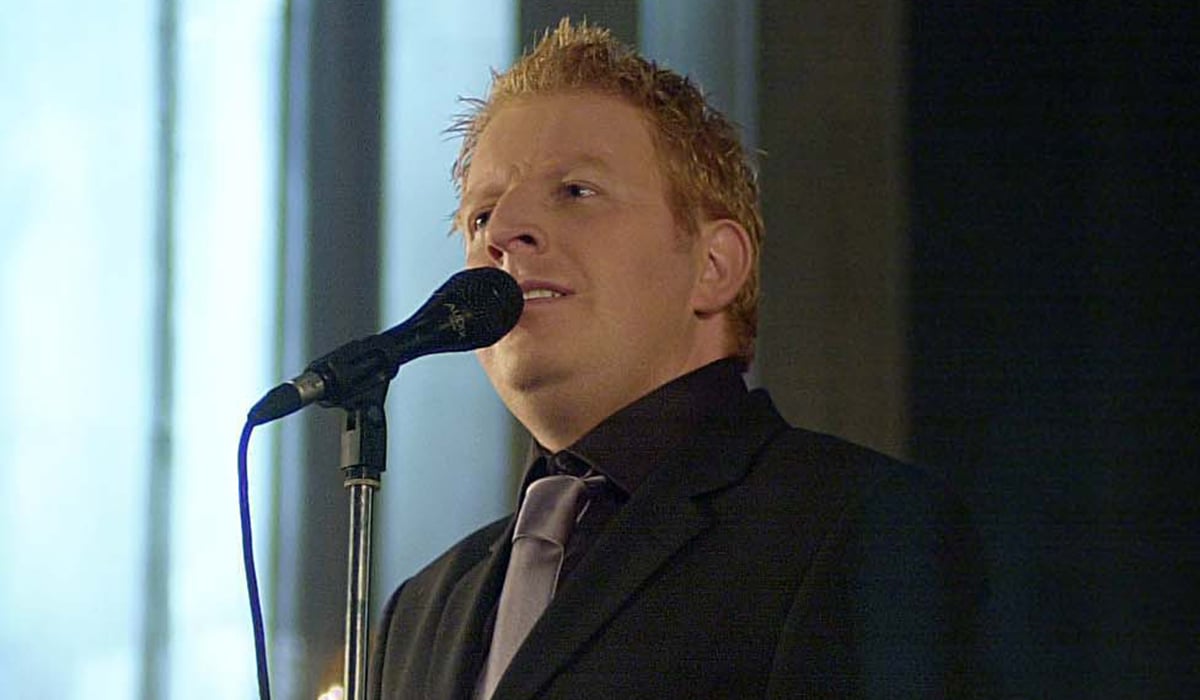
‘The 55-year-old man who looks back at that 22-year-old kid, they are two very, very different people. Lying to yourself at 22 is an easy thing to do. But as the years go by, you just find it an awful lot harder.’
He recalled a particularly formative moment as a 13-year-old boy during the height of the AIDS crisis, when a family member made a deeply homophobic remark while watching the news.
‘Every evening on the news, there was something from San Francisco; it was always these just awful stories. And my uncle was in the house with some neighbour, and one of them turned and said, ‘They should be burned alive, the gays’.
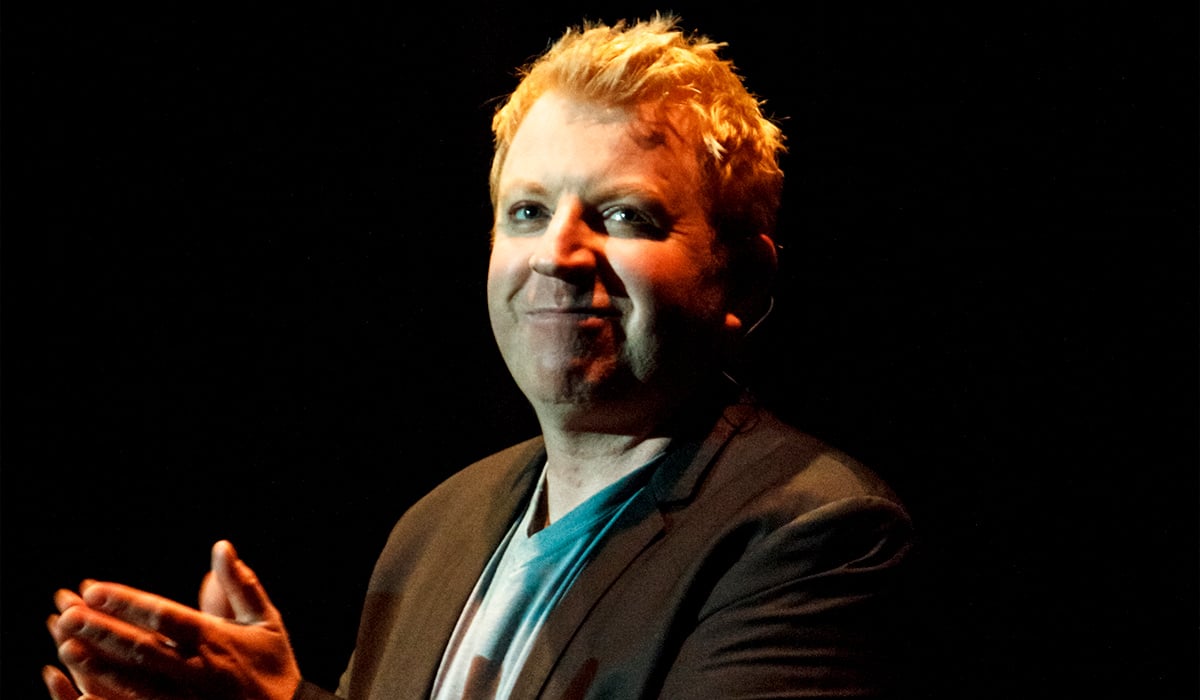
So when you are a 13-year-old kid, and you know, you run back in under the ground as quickly as you can, when your own family would have said something like that. We did not even decriminalise homosexuality here until 1996. So I get it.’
Fleming said that when he met Tina in 2002, he claimed he had been transparent from the very beginning about having previously been in a relationship with a man.
‘That was the very first thing I said to her when we met. That I had been in a relationship with a man and we had broken up six months prior. Then we started to go out.
But I was going through the bisexual phase, and again, you are lying. You are lying to yourself, but you have done so much to actually believe your own lies.’
He admitted that identifying as bisexual had felt more acceptable at the time than acknowledging the full truth.
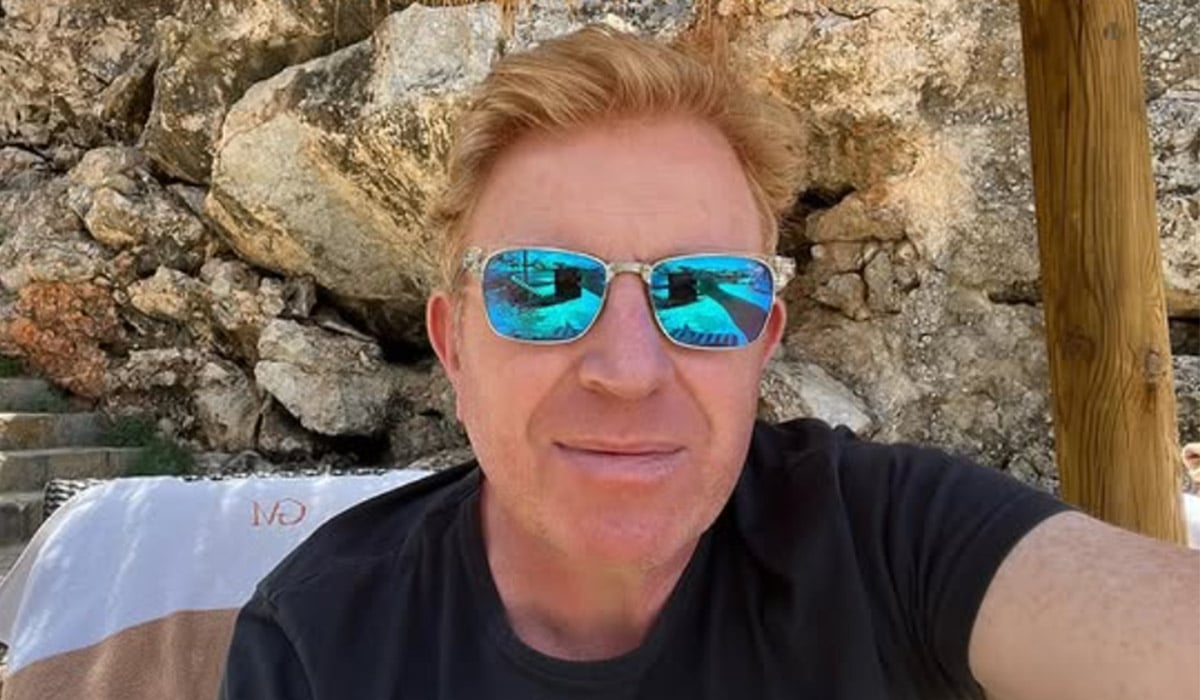
‘As the years went on, I just knew. And it got harder, and by the end, it got so difficult. There was not a morning I did not wake up with that awful, awful pain. Not a physical pain. Somebody said, is it butterflies? No, it is not. It is bats. That is what it is. You are always on guard. You are always afraid.’
Fleming also acknowledged that he had been unfaithful during the marriage, describing his first encounter as something he had tried to justify to himself at the time.
‘I tried to convince myself that it was all right because it was anonymous. It was not an affair in my head.’
He said the guilt that followed was crushing, and that he turned to alcohol in an attempt to cope.
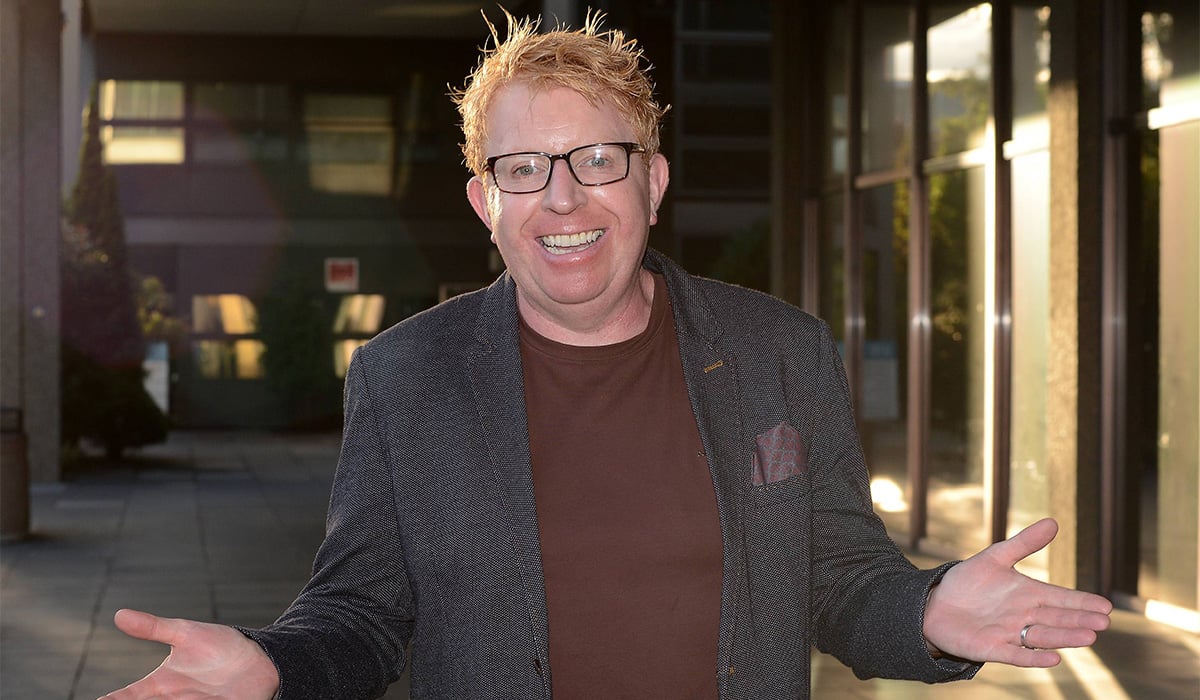
‘The guilt was always there. And then you try to take the pain away from the guilt. You sit down with a glass of wine, two glasses maybe. And you think, right, for two or three hours I am sitting down, and that pain has gone, and the guilt is gone. And God, you woke up the next morning, it was ten times worse.’
When asked whether the anxiety came from fear of being caught or fear of upending his own life, Fleming said it was both.
‘Very, very, very shared measures of both.’
He described feeling utterly trapped in a life of his own making.
‘I felt trapped in my own creation, within my own body of lies, within my own bubble that I had created.’
Fleming revealed that on the 21st of September, just days after leaving the family home, he attempted suicide by overdose.
‘On the 21st of September, I attempted suicide with an overdose.’
He described the state of mind that led him to that point as one of total despair.
‘An overwhelming sense of absolute sadness and hopelessness. And the fact that it would be so much easier if I were not here.’
He was subsequently admitted to St. Patrick’s Hospital on the 13th of October, where he received treatment for depression and anxiety and where, for the first time, he spoke openly with medical professionals about his sexuality.
‘If you go into St. Pats, for me, it was the most terrifying thing I have done. This is the first. I initially felt like an absolute failure. I felt like I had absolutely failed in every walk of life, in everything I had done. And I was not a real man.’
While in St. Patrick’s, Fleming made a phone call to his wife, Tina, and his stepdaughter, Becky, in early November; A garda investigation was launched after the call was leaked online.
‘That phone call was, I thought, my come-to-Jesus moment. My chance to just breathe and tell the truth. But it was not the catalyst. We were already separated. I left my home on the 17th of September. That, to me, was the date of the separation.’
Despite the pain of the breakdown, Fleming spoke warmly of Tina’s role as his manager over the years.
‘She did a great job, and I will never take that away.’
Fleming said he hoped that by speaking out, he could finally begin to live authentically, and his message to others going through similar struggles was one of honesty, however hard that path may be.
If you have been affected by any of the issues raised in this article, please reach out to your GP or a mental health support service.