
Formal talks on a new public sector pay deal get under way at the Workplace Relations Commission (WRC) on Monday, with the two sides still hundreds of millions of euro apart.
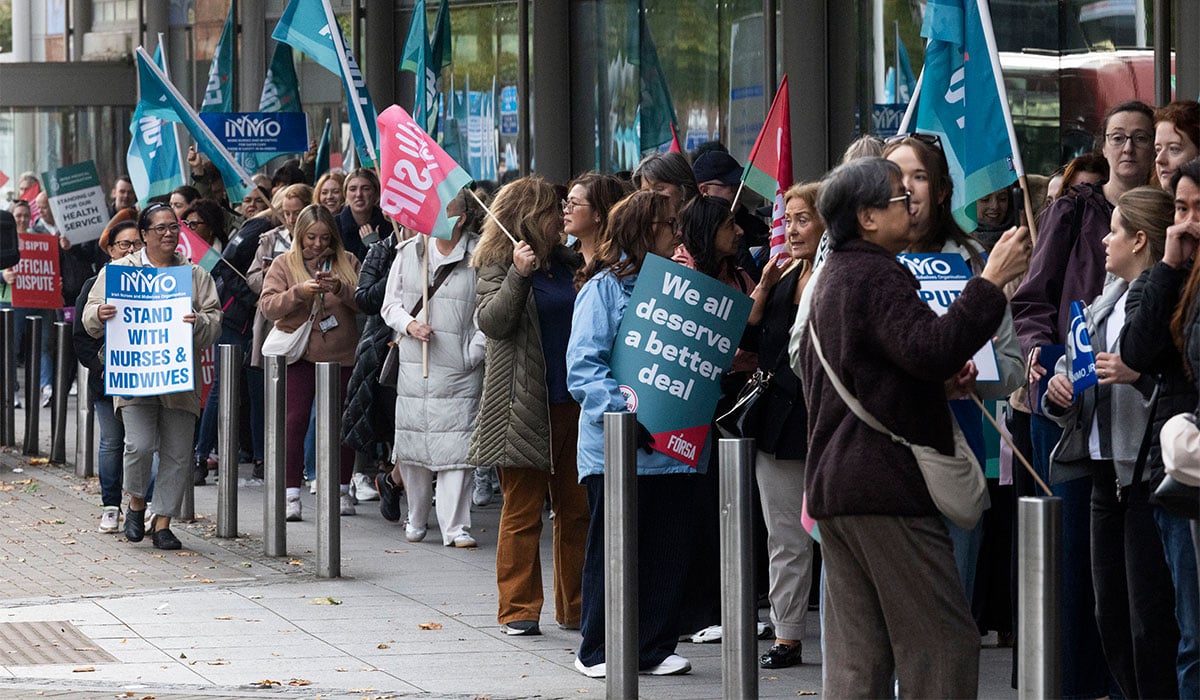
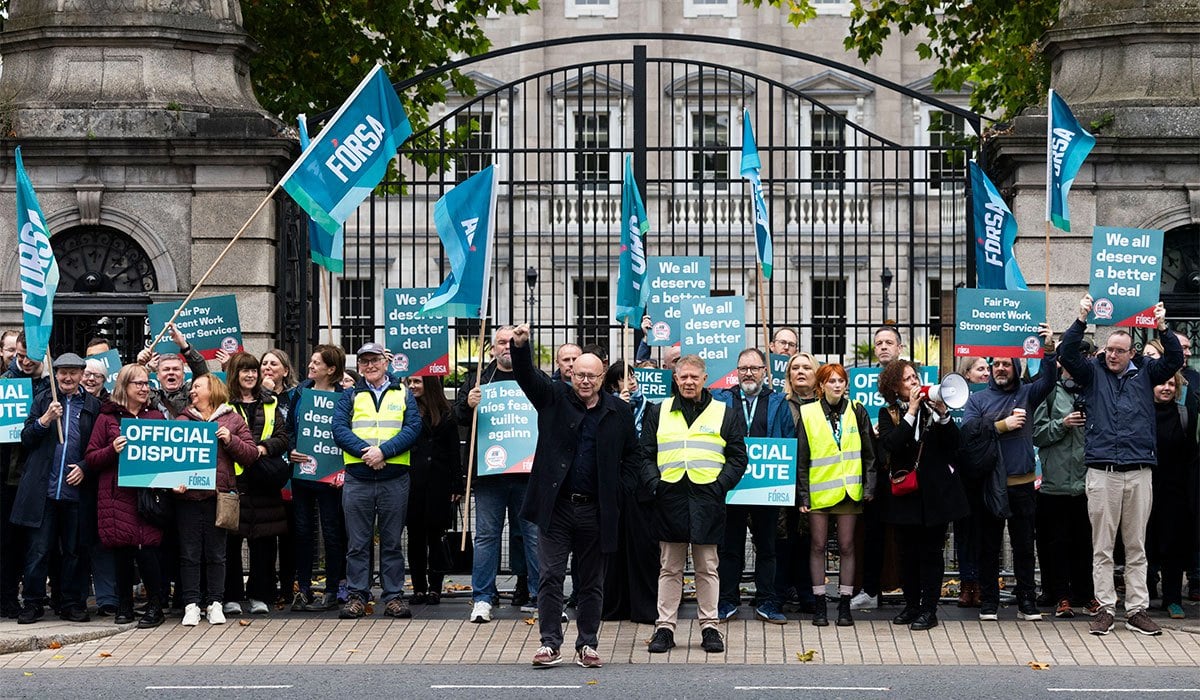
The talks follow Wednesday’s national strike, the first of its kind in 17 years, when around 300,000 public servants walked out.
A second 24-hour stoppage planned for this Wednesday was suspended on Friday after both sides agreed to talks.
At the heart of the dispute is a simple question: how much money is on the table?
What the Government has set aside
In Budget 2027, Minister for Public Expenditure Jack Chambers allocated €1.2 billion for public sector pay next year.
That must cover what is still owed under the last deal, which expired on June 30, any new agreement and the pension costs that come with it.
A separate €1.6 billion contingency fund could also be drawn on. Minister Chambers has described the €1.2 billion as a starting point for discussions.
What unions say is needed
Unions have not formally tabled a figure, but some have indicated that more than €2 billion will be needed to settle the dispute.
The Dail has been told that a 5% pay rise in 2027 alone would cost €2.1 billion. That leaves a gap of at least €800 million.
Fórsa general secretary Kevin Callinan, who leads the union side, says the Budget allocation works out at about 2.5% at best once pensions and old commitments are included, with inflation running at 4.1%. He has called it ‘no credible starting point’. The Irish Times has estimated the figure could allow a rise of 3% to 3.5%.
Unions also want increases covering this year. They say a gap of at least 5% opened up between pay and prices over the past five years.
The Government’s case
The Government says pay has broadly kept pace with prices. It says public servants received increases of 22.5% over six years, rising to 36% for the lowest paid, and that the last deal delivered 9.6% against inflation of 6.6%.
The new agreement will cover around 400,000 State employees, including civil servants, nurses, teachers, Gardai, local authority staff and Defence Forces personnel.