
Drivers challenging convictions for drink driving have a right to an inspection of the breathalyser equipment that was used, the High Court has ruled.
The decision, which could have implications for drink driving cases across Ireland, was made despite objections based on cost and technical difficulties raised by the Director of Public Prosecutions (DPP).
The DPP appealed against a landmark ruling in March last year, in which the Circuit Court had allowed a man to carry out an inspection of the breath-testing device known as an ‘evidenzer’.
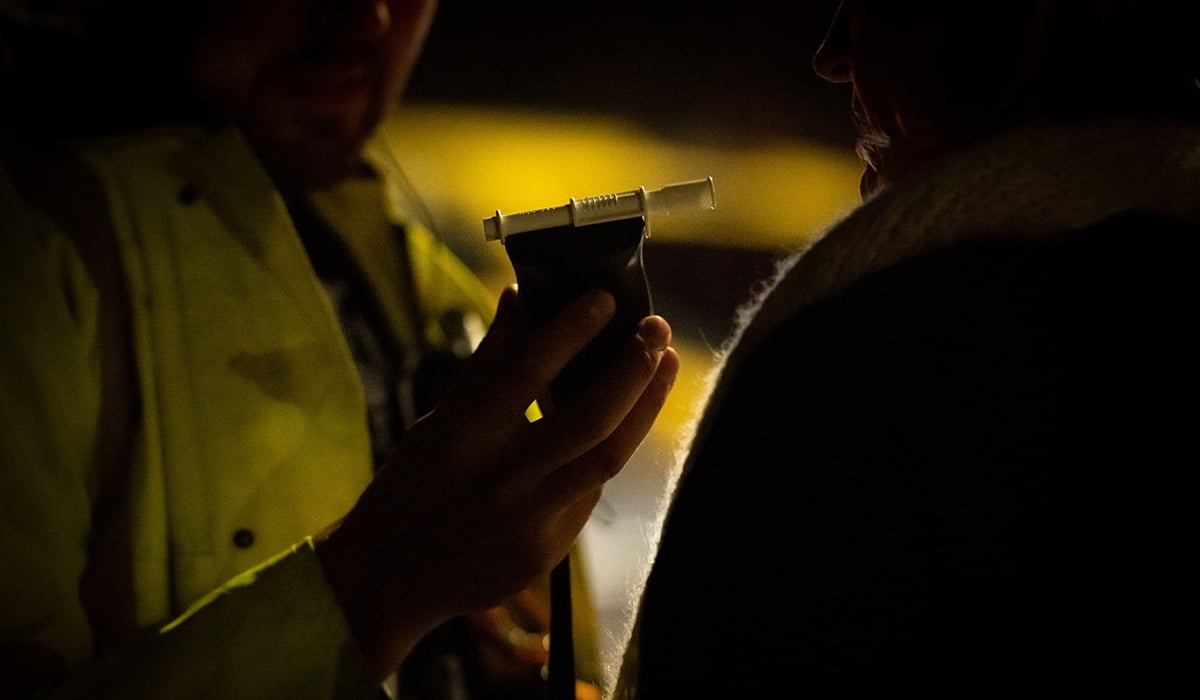
It said it did not have the software codes, and the Circuit Court had not taken into account the inordinate costs of a €12,000 machine not being fit to return into service after being taken apart.
It estimated the total cost would be more than €1million if all machines in the State were similarly inspected.
Patrick James Flanagan had sought the inspection as part of an appeal against his District Court conviction for drink-driving. He had been arrested on suspicion of drink driving on May 2, 2022, and provided two breath samples at Thurles Garda station.
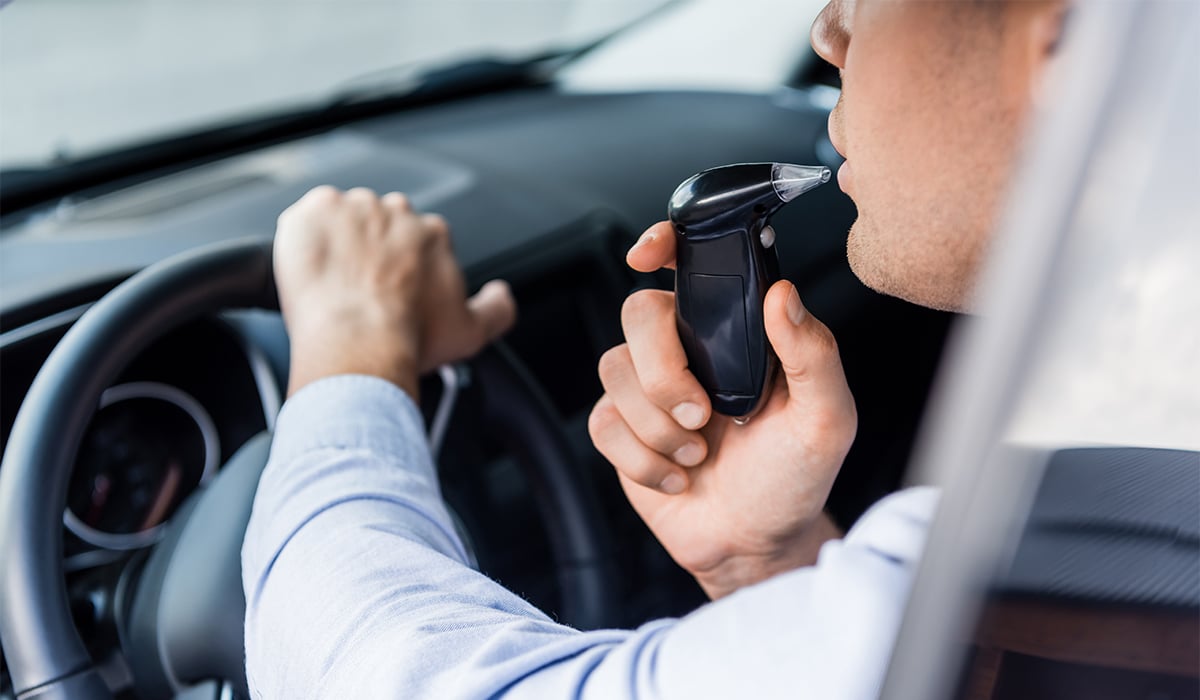
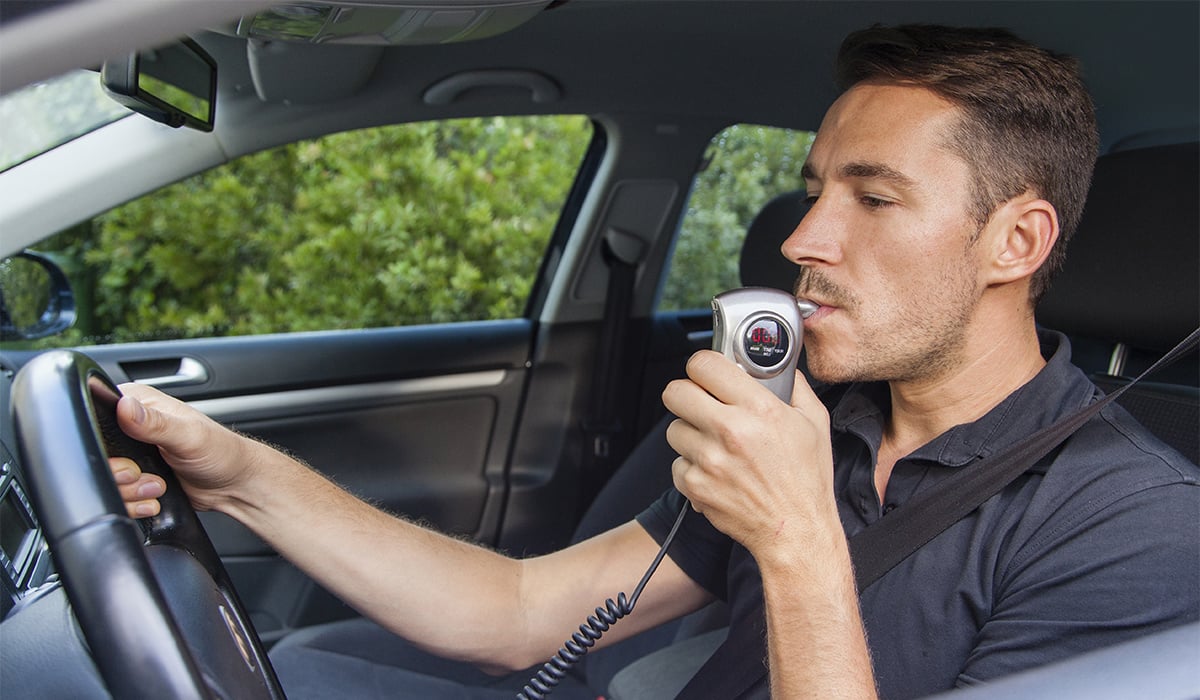
The evidenzer’s results showed readings of 66µg (microgrammes) of alcohol – three times the legal limit of 22µg – which led to his conviction on July 18, 2023.
Judge Catherine Staines, in Clonmel Circuit Court, had granted Mr Flanagan permission to have the device fully inspected.
However, in the appeal, a barrister for the DPP claimed Judge Staines was wrong in ruling that Mr Flanagan could carry out whatever testing was deemed necessary by his expert.
The DPP’s lawyers argued she had failed to properly consider the proportionality of the level of inspection sought and that the DPP could not produce the software codes for the evidenzer – as they were protected by a non-disclosure clause in the contract between the Medical Bureau of Road Safety (MBRS) and the supplier of the software, Autosober.
They also warned that the MBRS could not stand over the integrity of the €12,000 machines after they had been taken apart, so they might not be returned to service.
Legal representatives of Mr Flanagan said it was clear Judge Staines was aware she had discretion over whether she should allow an inspection and to what level, considering all relevant matters.
The court heard that a consultant engineer, Mark Jordan, had given evidence on behalf of Mr Flanagan to the Circuit Court in which he said he needed to access the device’s software codes and algorithms to test its forensic integrity. MBRS analyst Louise Lawlor said the bureau had no difficulty with simulated tests of known quantities of alcohol being conducted under supervision, to validate the machine’s accuracy.
Ms Lawlor said the device used with Mr Flanagan, subsequently used in different Garda stations, is tested every six months, with checks by supervisors every month.
She gave evidence that Autosober had refused to release its software code on the basis of a non-disclosure clause that protects commercially sensitive information.
However, High Court Judge Anthony Barr agreed with Judge Staines that the MBRS should have negotiated access in its contract if the law entitled Mr Flanagan to inspect the equipment.
Rejecting all grounds raised by the DPP, Judge Barr said it was open to Judge Staines to have concluded the type of inspection needed to test the evidenzer’s forensic integrity.
He also noted that Judge Staines had considered whether the device would be effectively destroyed as a result of an inspection. The judge ruled there was no basis to alter the findings of the Circuit Court.