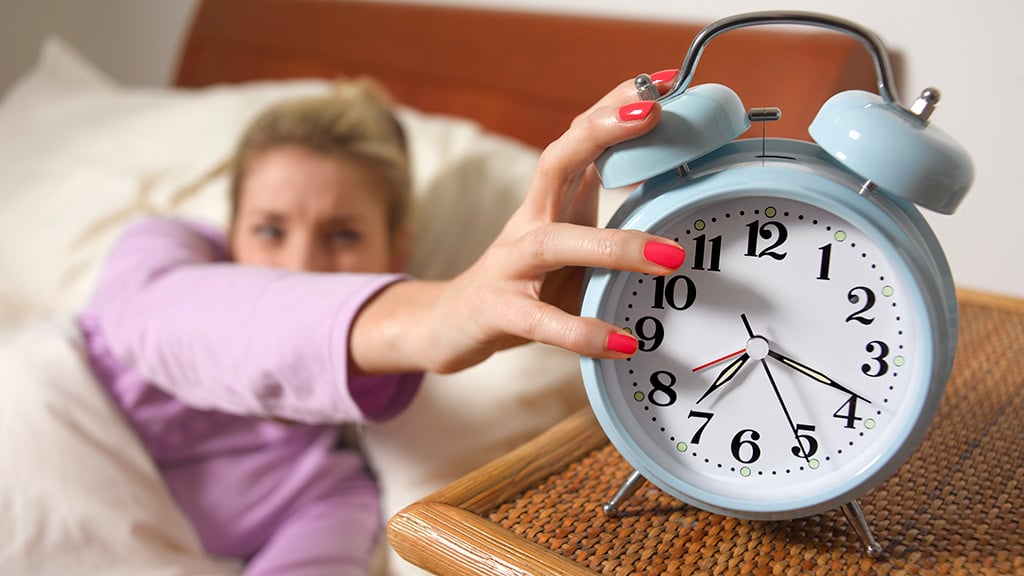

The days are set to get even shorter in the coming week as the clocks ‘fall back’ for the autumn and winter months.
The change to the clocks will mean even darker evenings, but also an extra hour in bed next weekend.
The move comes as part of Daylight Saving Time, which was first introduced in Germany in April 1916.
This year, clocks will officially move back an hour at 2am on Sunday, October 25, bringing daylight saving time for 2026 to an end.
Smartphone users do not need to worry about resetting their clock, as the time will automatically update.
Those with manual watches and clocks will need to reset the time themselves, however.
All EU states, except for Iceland, take part in the change. North America and some parts of South America also implement the change, as does Australasia.
Though the change will mean an extra hour in bed next Sunday, it also means shorter days and longer nights.
From the end of the month, the sun will set at around 5pm, meaning many people will be coming home from work in the dark.
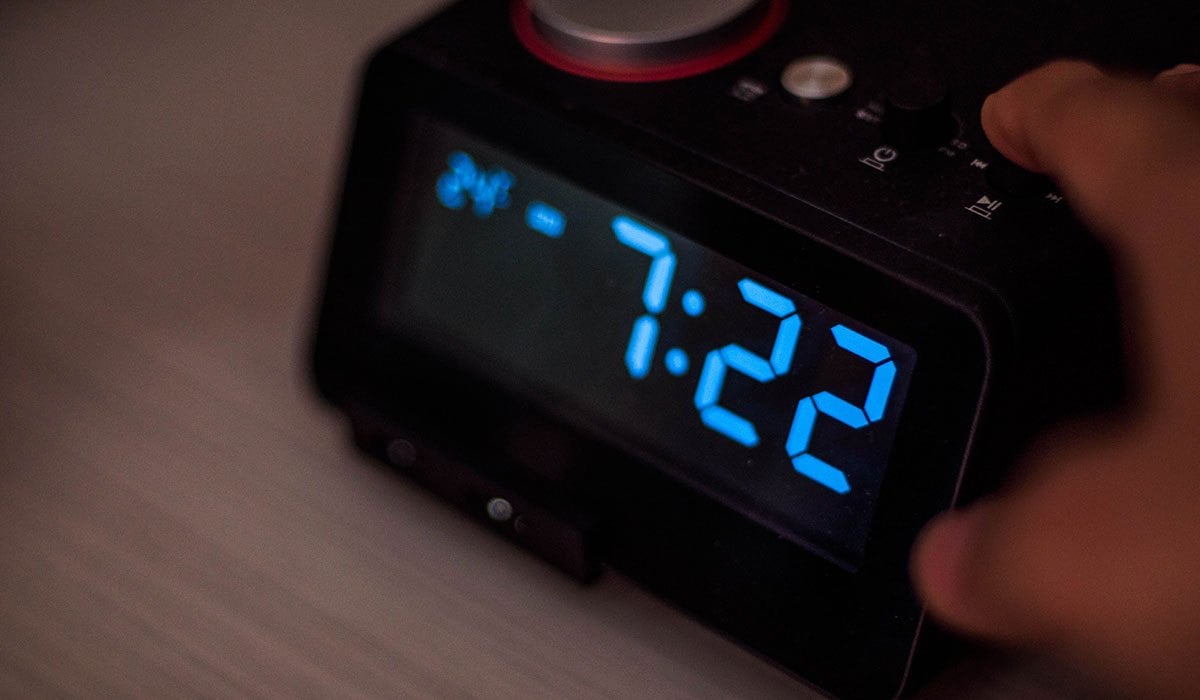
The changes of the season and darker evenings can also trigger seasonal affective disorder (SAD) for those more dependent on the sunlight.
Symptoms include persistent low mood; loss of pleasure or interest in everyday activities; feeling irritable, guilty, stressed, or low.
The HSE urges those susceptible to SAD to get as much natural sunlight as possible and sit near windows when indoors.
They add that keeping active, maintaining a healthy diet and avoiding stressful situations can also help.
Daylight Saving Time was first brought in as a means to save energy. In 2019, the European Parliament voted to abandon the initiative.
The last change was set to take place in the spring of 2021, however, this was put on hold due to COVID-19 — and never revisited.