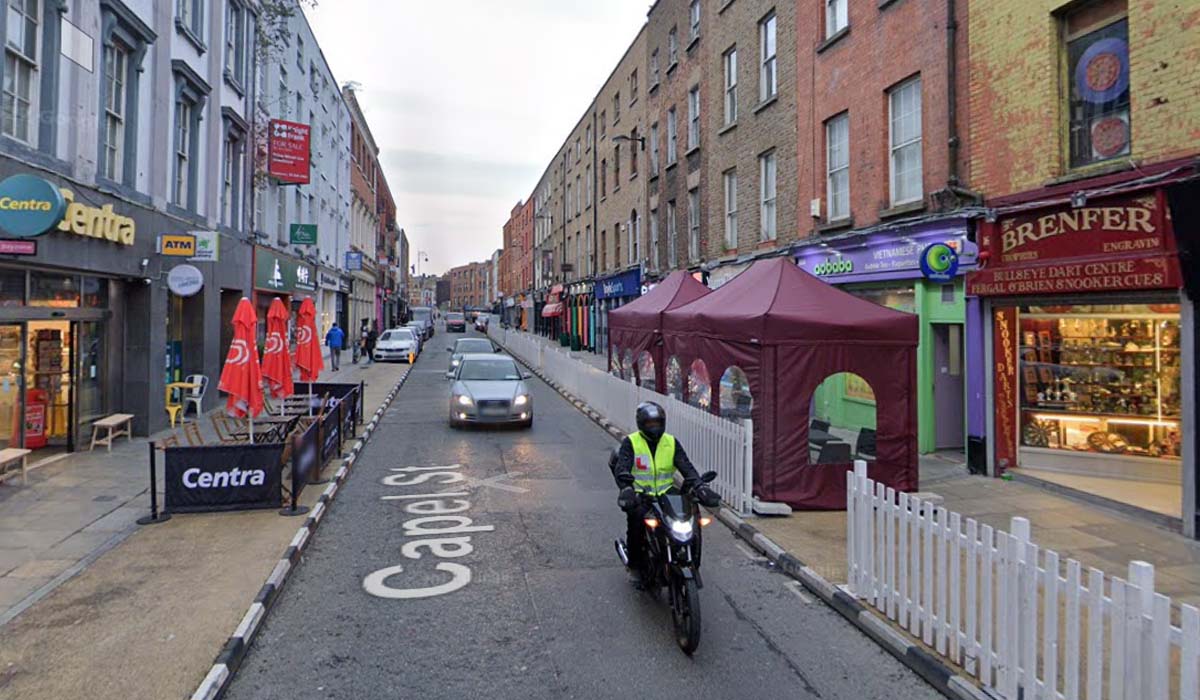

Flooding in Cork is set to grow significantly worse in the coming decades as the southwest part of the country sinks while the sea rises, a new climate report has found.
The ICARUS Climate Research Centre in Co. Kildare’s Maynooth University published its analysis of historical tidal data yesterday, which found that sea levels are rising multiple times faster than in the past and hitting the south and west especially hard.
The average relative sea level (RSL) for Ireland was rising at 0.59mm per year from 1925 until 2000, but rose to an average of 3.13mm per year across the 24 years after the new millennium.
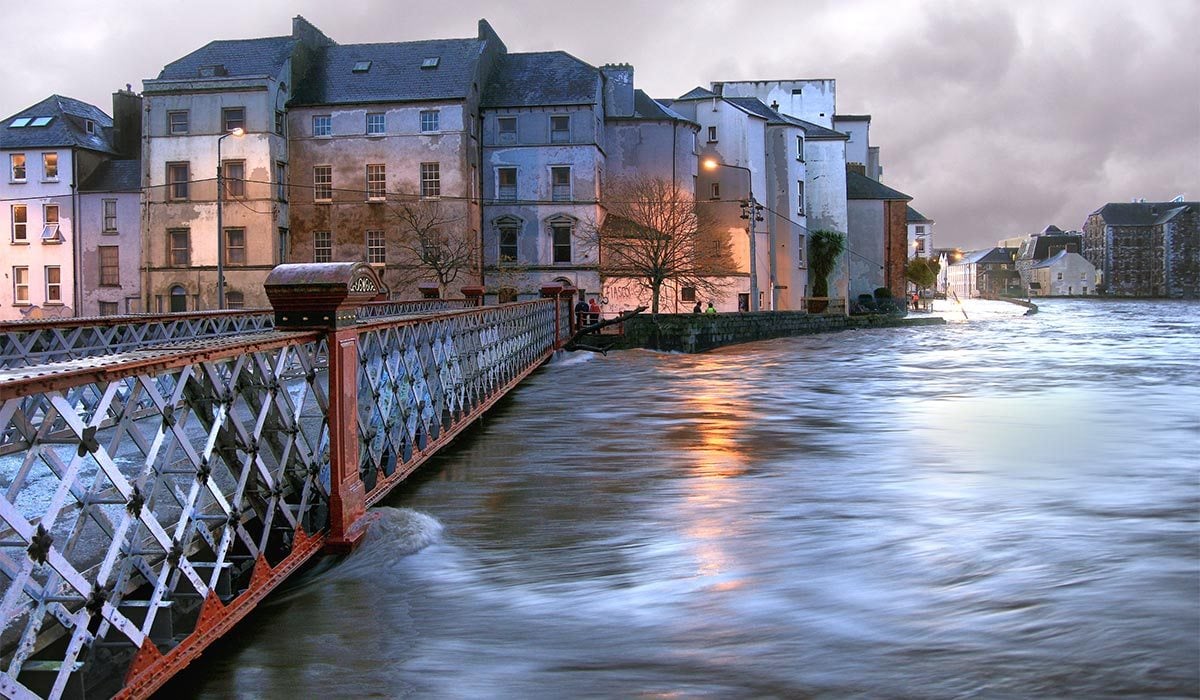
The overall national sea-level rise for the past century was 1.21 mm per year although regional variation was recorded as a result of Ice Age-era glacier patterns. The report’s author, Dr Patrick McLoughlin, said areas such as Cork were effectively sinking down towards the rising waves, while Belfast avoids the worst of sea-level change because the Earth’s crust under the northeast is rising slightly.
Areas closer to Scotland were under a heavier ice sheet more than 10,000 years ago and are bouncing back after losing that excess weight, he said. ‘The paper noted an annual rise in sea level of 1.43mm, approximately, in Tarbert, Co. Kerry; 1.4mm in Galway and 1.3mm in Cork. For Dublin, it rounds to 1.1mm and in Belfast it was just above 0.7mm,’ he added.
‘To the south and west of Ireland, rates are significantly higher than in the north. For future sea-level rise, and for flooding, it’s important to understand the risk to that area.’
Most of the long-term data is taken from Dublin Port, Belfast and Malin Head, meaning records largely reflected what was happening on the north and east coasts. The report used newly digitised tidal records from Cork, Tarbert and Galway, as well as statistical modelling, to fill in gaps dating back to 1925, and build a long-term picture.

Dr McLoughlin said the regional variance can aid in planning flood defences as well as informing policy decisions on the growing issue of limited access to flood insurance for homes and businesses.
The report noted the high financial toll caused by major flooding in Cork in 2009, which led to €100million in damages to commercial and residential property.
Currently, 40% of the population live within 5km of the coast, and it is estimated similar events will cost double or triple the Cork figure by the end of the century due to flooding becoming more frequent and severe.
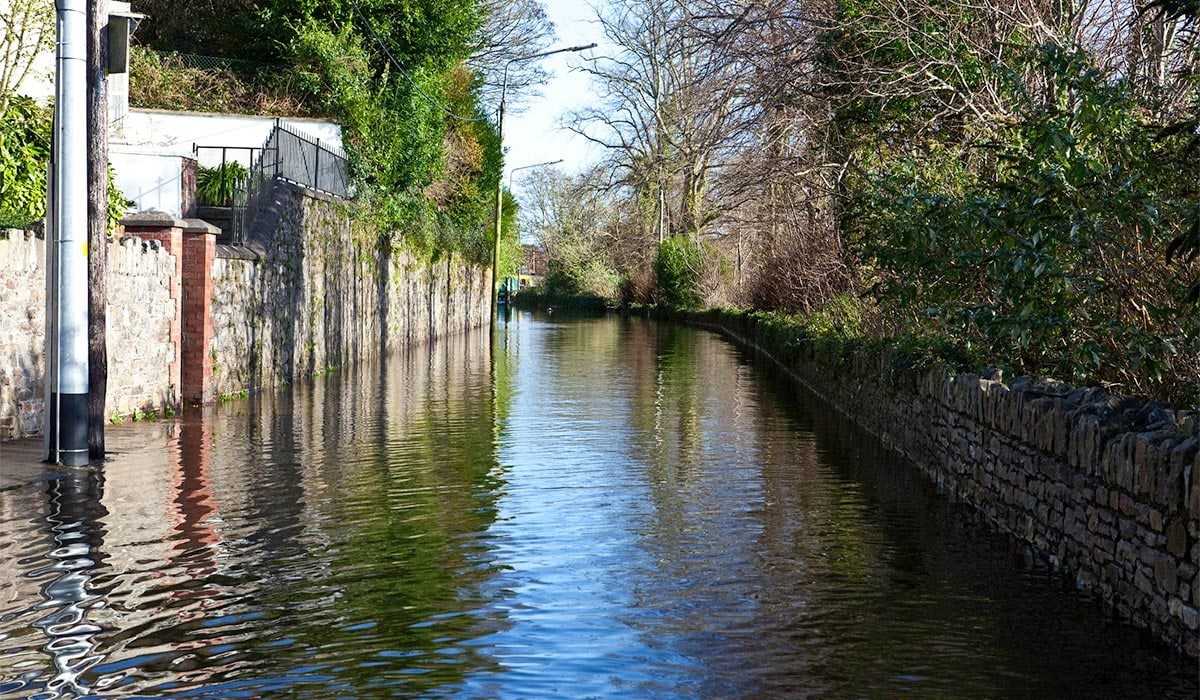
‘The rate of sea-level rise we’ve seen in the last century might be nothing to what we see in the future, but projections suggest we’re likely for at least a metre of sea-level rise in some parts of Ireland by 2100, and these findings could help us find a way to adapt to that,’ Dr McLoughlin said.
He said Cork city and Dublin Port are known to be vulnerable but also flagged the less-spoken-about ‘densely populated areas across Mayo, Galway, Cork, Kerry and the Shannon Estuary’.