
The tax package for the Budget is to rise from € 1.5 billion to € 2 billion, as the Coalition chases the support of disillusioned rural voters and the middle class, Extra.ie has learned.
The beleaguered Government is planning to hit back against the rise of Aontú and Independent Ireland with what Minister of State for Agriculture Niall Collins has called ‘a significant rural package’.
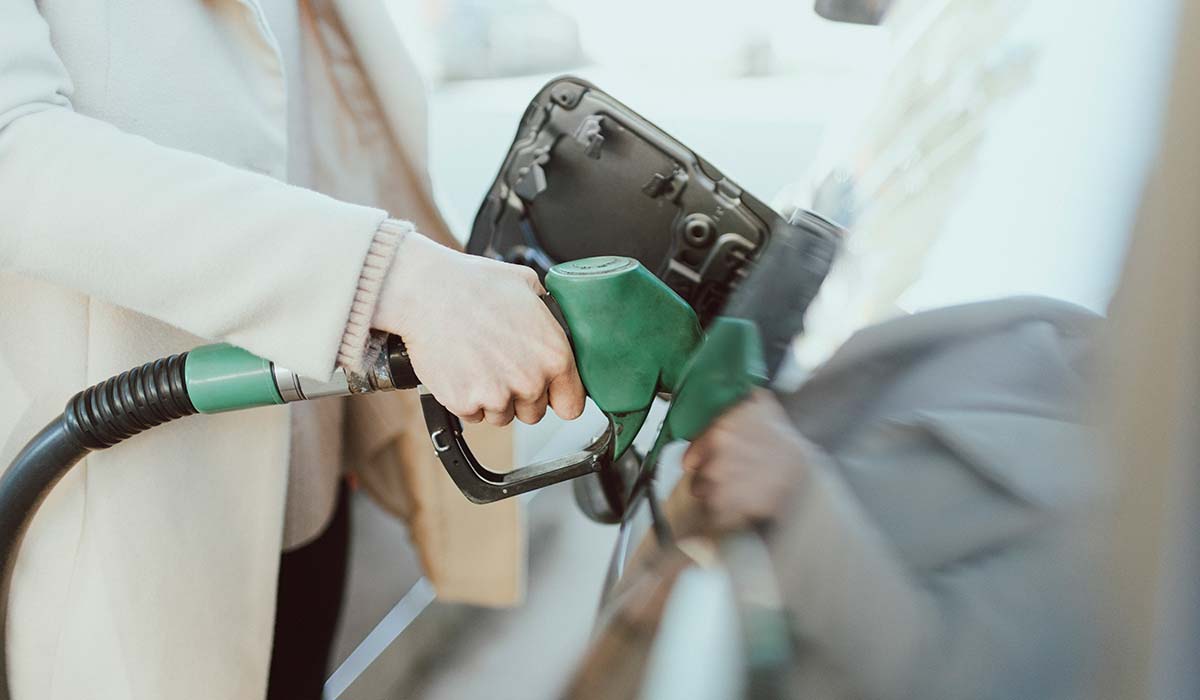
‘The Budget has to be “rural-proofed”. It wasn’t last year, and we saw how that went,’ the minister said. ‘You can talk about windmills and electric vehicles all you want, but rural Ireland runs on diesel.’

A source said of Mr Collins’s demands that ‘people were wondering why he was transferred in the last reshuffle from the Department of Justice to Agriculture’, adding: ‘It’s clear now that the minister was put in Agriculture to keep an eye on Fine Gael and rural Ireland.’
Referring to the middle classes, another senior minister said: ‘Put bluntly, the big lesson we have learned is that it costs money to hold the centre. The support of the middle classes, and of those who get up early to go to work, is not a given. You have to be seen to look after their interests.’
Another minister warned: ‘Democracy costs. Looking back now to last year’s Budget, we did not do that. No cuts in tax, that was insane.’ In an oblique reference to the rise of the Social Democrats, they added: ‘We are seeing the consequences of that now.’
The Government is expecting the fiscal position to be eased by cost savings in a number of areas within the Department of Justice. Despite record economic figures, support for the two main parties, Fianna Fáil and Fine Gael, has, according to recent polls, fallen by ten points from their general election total of almost 43%.
A source said: ‘Ending the EU presidency could bring in savings of a couple of hundred million. The number of people seeking asylum has halved in a year due to Jim O’Callaghan’s strong policies, that may lead to significant savings too.’
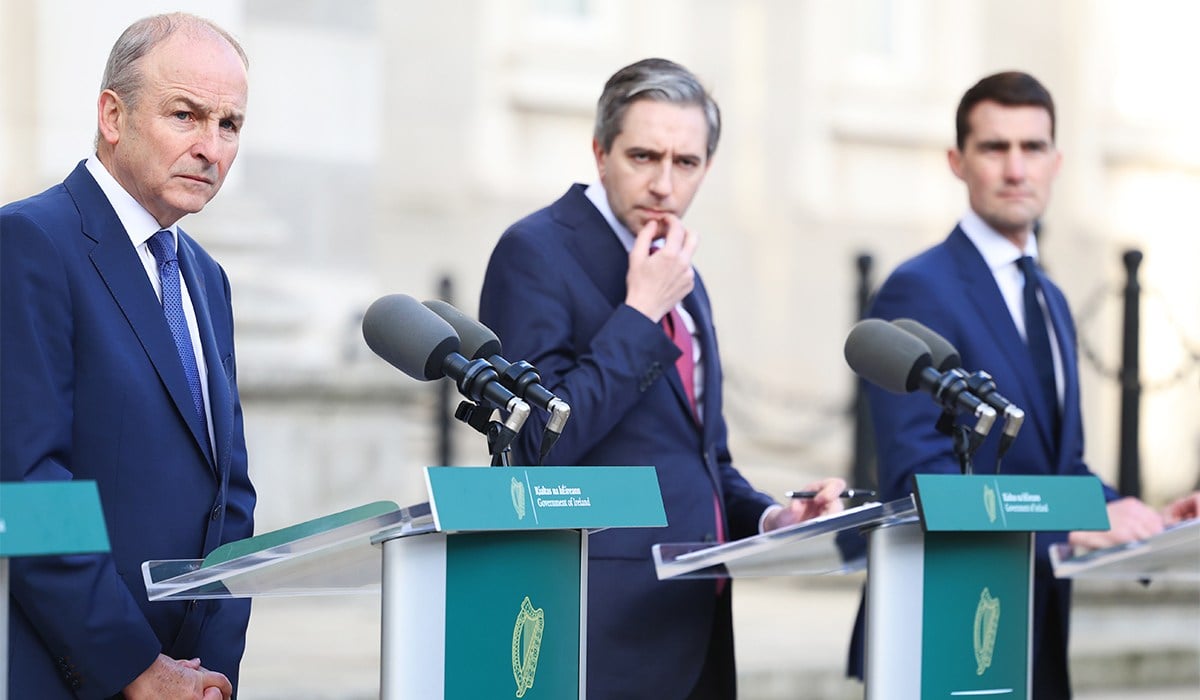
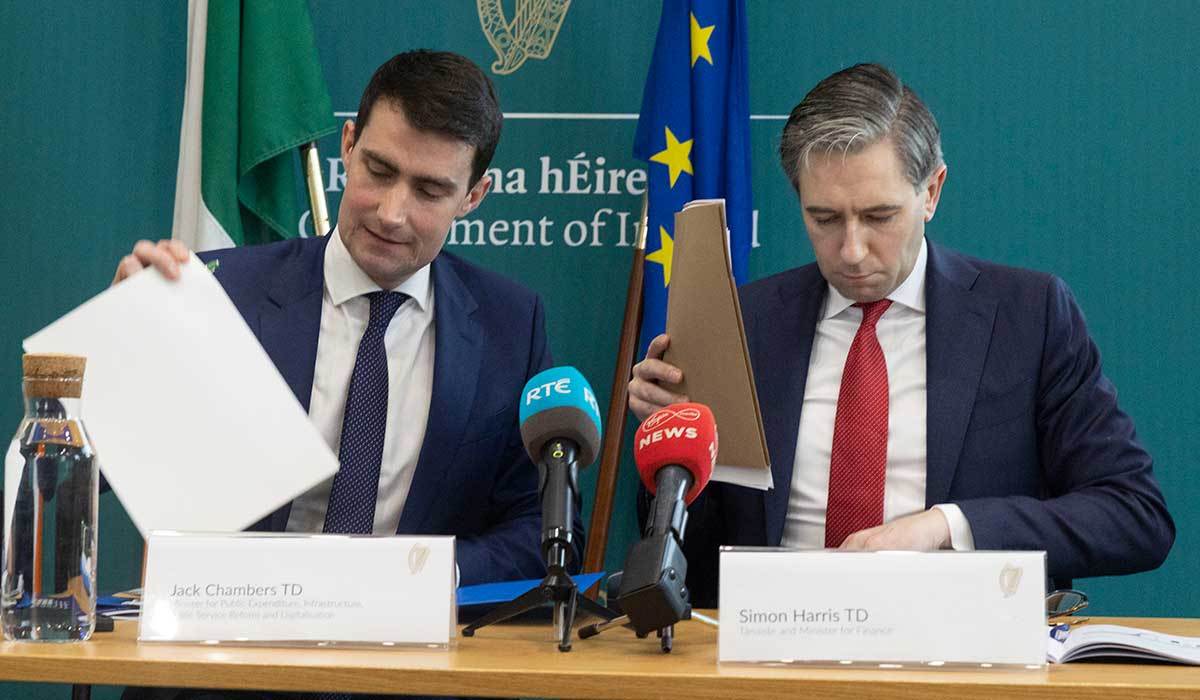
And one minister warned: ‘There is no deal done yet. Simon [Harris, Finance Minister] and Jack [Chambers, Public Expenditure Minister] are still creating the pot of money. We also have to factor in that when it comes to Social Protection, we will have to spend an extra € 1 billion to stand still. If we just raise all weekly payments by a tenner that comes to € 768 million.’
Another senior source said that, despite the cost, ‘the Government will confirm the current excise regime will continue until the spring’, adding: ‘The temporary energy package is extraordinarily costly, over €100million a month.’
There will be a package on home heating oil, but the source said: ‘When it comes to energy credits or fuel allowances, or both, the balance has to be decided.’
The final Budget negotiations are taking place against the backdrop of increasing concern that rampant overspending by the HSE could impact on the Coalition’s freedom of manoeuvre.
Another minister said: ‘They appear to have gone on a spending spree. There’s hundreds of millions being spent on unapproved jobs. As an organisation, they appear to have gone a little rogue. This has an impact on public and political confidence. People and ministers are witnessing extraordinarily high increases and little impact on services.’
Some Coalition figures have raised concern over Health Minister Jennifer Carroll MacNeill’s stewardship of her portfolio, but key decision-makers are supportive. A source said: ‘The view of the Finance Minister is [Minister] Carroll MacNeill and [Minister] Chambers are working well together on this. They have done a huge degree of work on costs, and are not the problem when it comes to an issue with real fiscal consequences.’
The overspend has increased the difficulties Mr Chambers faces when it comes to securing savings in departments. A minister said: ‘He is being chased out of every department. DPER [the Department of Public Expenditure and Reform] are coming in and fighting over €20,000, and the HSE are down a billion. They and Jack can f*** right off if they come through my door again.’
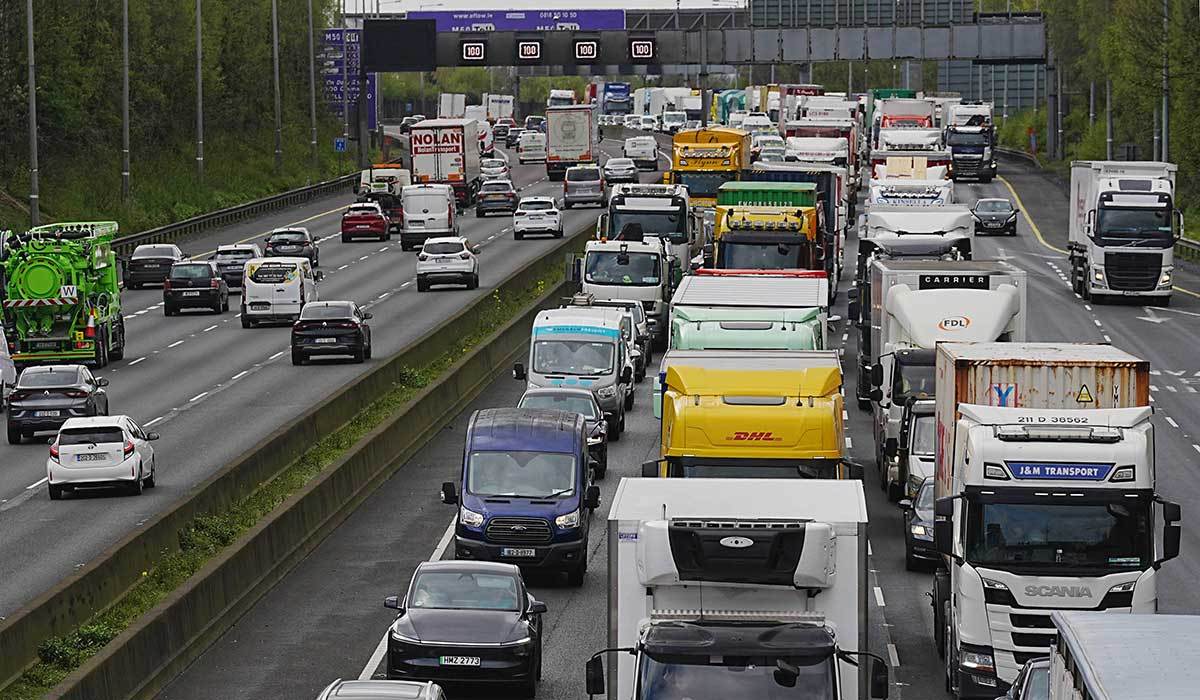
Concern is also growing over the impact on the Exchequer of any public service pay deal. A source said: ‘The only unity we have in the country is the civil service’s determination to go on strike. Everyone from Fórsa to the Association of Higher Civil and Public Servants are preparing for the picket lines. The problem we face is the success of the fuel protesters means the union leaders feel they have to show their teeth too. Appeasement always has a price.
‘The scale of all this is a serious problem. The pay bill for the public service has risen from €22billion in 2020 to €34billion in 2026. We had to pay for an extra week last year and that cost €500million. We will be lucky to get out of this with a €2billion bill.’
A Fianna Fáil source warned: ‘It’s all become a bit panicky and the Taoiseach being away grandstanding in the UN hasn’t helped. This was no time to be away, two weeks before a Budget.’
The source described Micheál Martin as ‘detached from reality’. Another minister said: ‘All of the public services… are preparing to go on strike. The public are turning on the Budget, they are fed up of it before it has started.’