


Waterford researchers are set to play a leading role in the future of secure communications after South East Technological University’s Walton Institute was chosen to lead Ireland’s involvement in a major European project.
The institute will lead the Irish contribution to the TransEuroOGS initiative, an €18 million project involving Ireland, Germany, Greece and Luxembourg, which aims to develop quantum-secure communications across the EU.
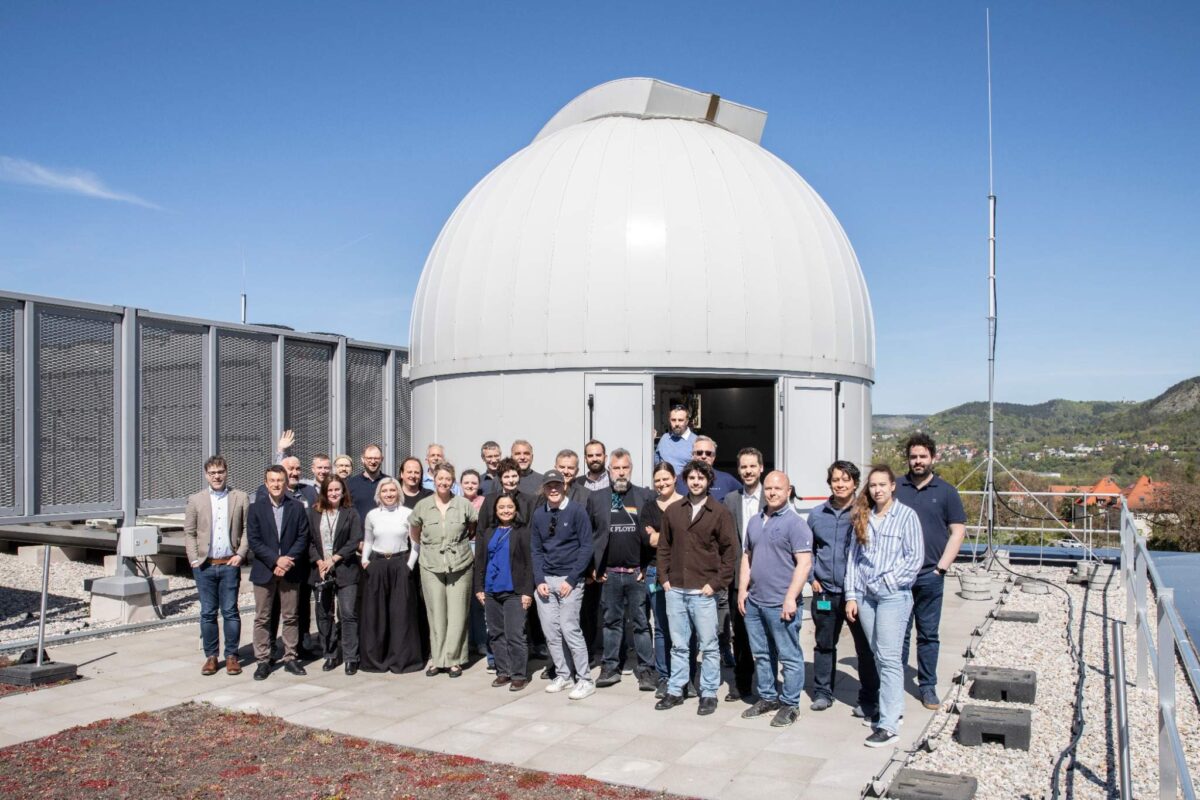
The Irish contribution for the project is being co-funded by the Department of Culture, Communications and Sport with investment of up to €5.7 million, supporting the development of technology designed to protect highly sensitive communications from future cyber threats.
Researchers at Walton Institute will work alongside Galway-based company Mbryonics to develop a mobile optical ground station capable of connecting with next-generation quantum communications satellites.
Minister for Culture, Communications and Sport Patrick O’Donovan said the investment would strengthen Ireland’s research capabilities while helping develop secure communications infrastructure for the future.
‘The funding being announced today will support a 42-month project to develop a Quantum Key Distribution-secured satellite ground station in Ireland by leading researchers and innovators based in Waterford and Galway,’ he said.
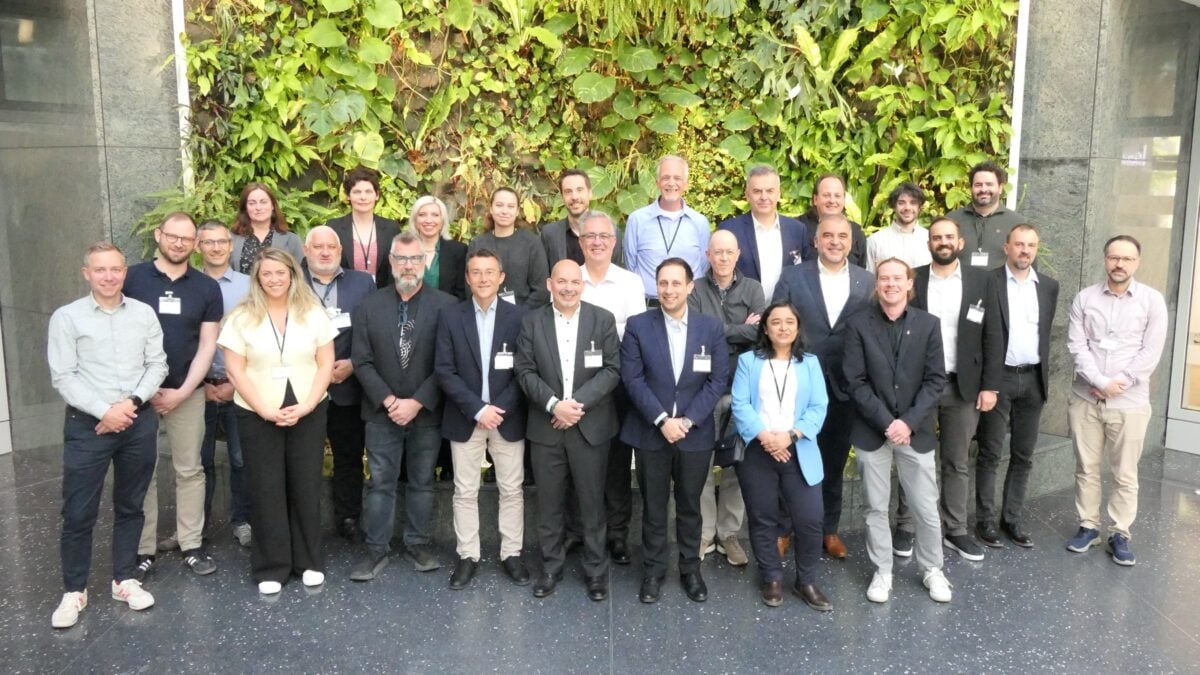
Dr. Deirdre Kilbane, Director of Research at Walton Institute and Ireland’s national coordinator for the project, said the institute was proud to lead Ireland’s role in the initiative.
‘Alongside our partners in Greece, Germany and Luxembourg we are building a network of optical ground stations that will seamlessly link earth and space to deliver quantum-secure, cross-border connectivity across Europe,’ she said.
The project forms the next phase of Ireland’s participation in the European Quantum Communication Infrastructure programme and is expected to run for 42 months.