
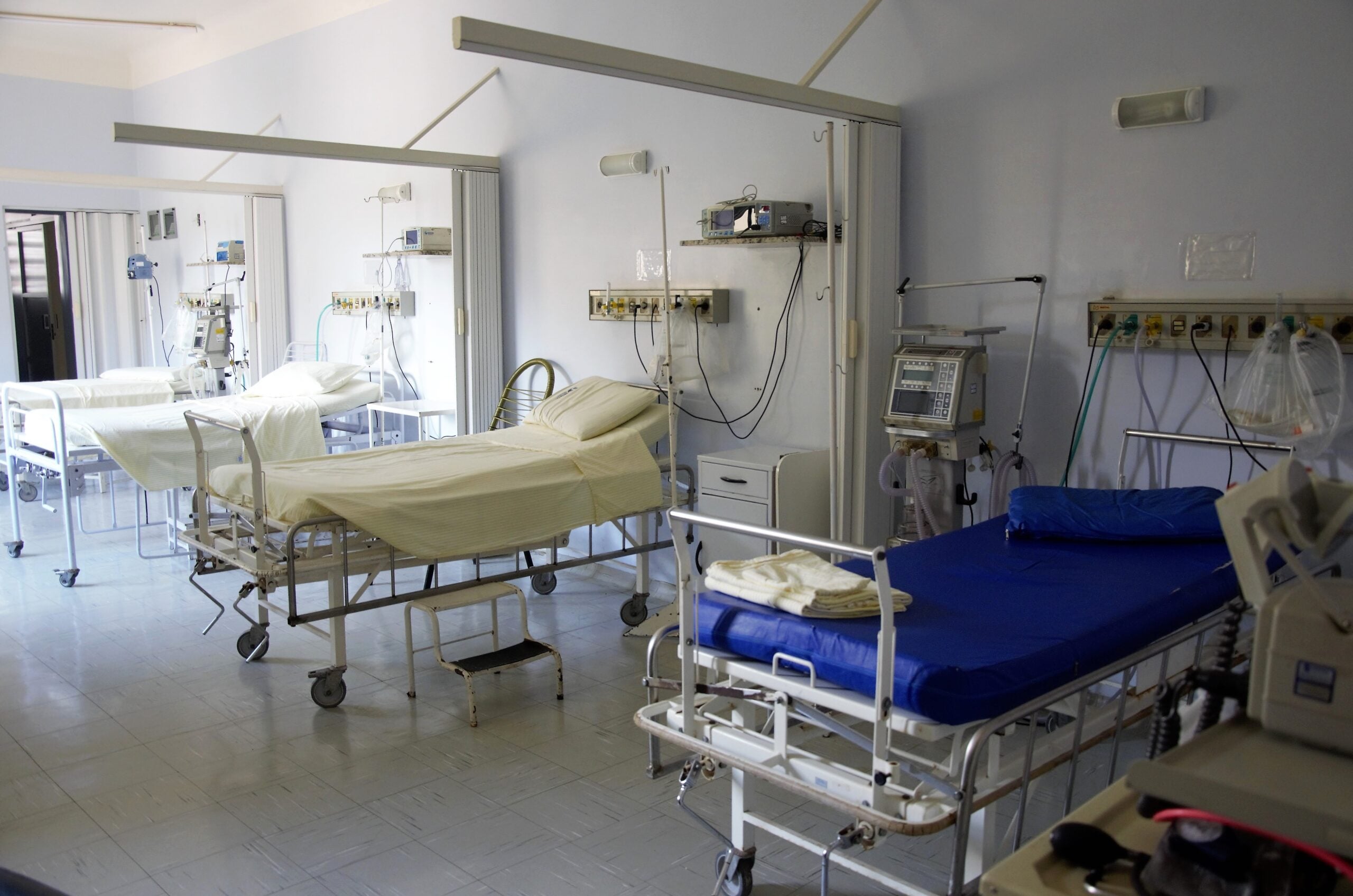

More than 30,000 hospital bed days were lost at University Hospital Waterford due to delayed transfers of care between 2022 and 2025, with the number of delayed discharges more than doubling over the period.
In simple terms, this means some patients were medically well enough to leave hospital, but could not go home or move to another care setting because the support they needed was not available. This could include home-care support, rehabilitation, a nursing home place, a community bed or step-down care.
New HSE figures provided to Waterford TD David Cullinane show that delayed transfers at UHW increased from 333 in 2022 to 820 in 2025. The proportion of discharges recorded as delayed also rose from 1.6% to 3.7%.
A total of 30,210 bed days were lost to delayed transfers over the four years, accounting for 4.4% of total bed days recorded by the HSE.
In 2025 alone, 7,419 bed days were lost, up from 6,027 in 2024.
Deputy Cullinane said the figures were “deeply concerning” and showed the need for greater investment in care outside acute hospitals.
“For the patient and their family, that uncertainty can be extremely difficult,” he said.
“Nobody wants a loved one to spend unnecessary days or weeks in an acute hospital when they could be recovering closer to home and in a setting better suited to their needs.”
He said the issue was not the patients themselves, but the lack of services available to support them after they leave hospital.
Deputy Cullinane called for more home-care hours, step-down and transitional care, rehabilitation services, community nursing and residential care places.
He also said the delays put additional pressure on UHW because beds occupied by patients waiting for care elsewhere cannot be used for people waiting for admission.
“The HSE now needs to identify precisely where the blockages are,” he said, calling for a breakdown of how many patients are waiting for each type of service and how long they have been waiting.
He said expanding community services would improve care for patients and families while also freeing up much-needed capacity at University Hospital Waterford.