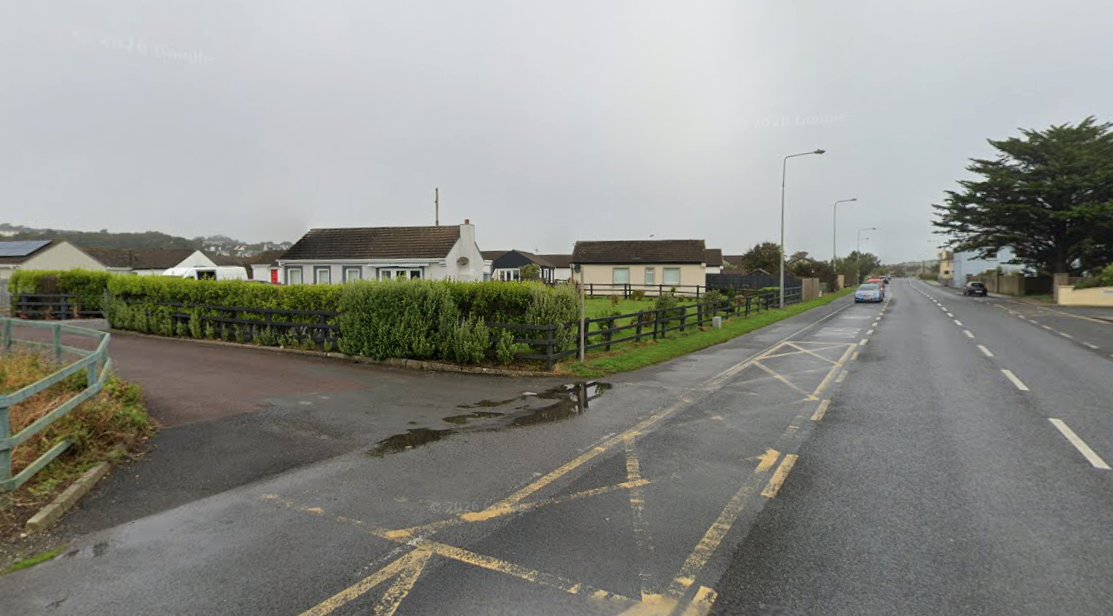

Residents of a long-established Tramore housing estate are hoping for intervention from the Ombudsman after Waterford City and County Council refused an application to take the estate in charge.
Tramore Holiday Villas, located near the town’s lower promenade, has been the subject of a dispute over its future maintenance, with residents raising concerns about deteriorating roads, broken footpaths and streetlights which are no longer operational.
The estate dates back to the early 1980s, but despite what residents say is now a settled residential community, the Council has refused to take responsibility for its public infrastructure, citing its status as a holiday home development.
Local Fianna Fáil councillor Eamon Quinlan has referred the matter to the Office of the Ombudsman, following the Council’s decision.
Residents submitted an application in 2024 seeking to have the estate taken in charge, having secured the support of more than 51 per cent of homeowners.
That threshold was introduced following a successful High Court case involving an estate in County Clare, providing a route for residents to seek local authority responsibility where developments have been left without effective management arrangements.
However, the application by Tramore Holiday Villas residents was ultimately rejected following a lengthy process.
Cllr Quinlan says the estate is no longer made up of holiday homes, with many properties now serving as permanent residences, including homes occupied by retirees.
He has also questioned the Council’s position, claiming that the local authority owns or rents several properties within the development and has placed social housing tenants in them as permanent homes.
He argues that it is unfair for residents to pay Local Property Tax while being unable to access the local services and infrastructure they would ordinarily expect.
The condition of the estate has become a particular concern, with large potholes, damaged footpaths and a lack of functioning street lighting raising questions about residents’ safety.
Cllr Quinlan says the absence of lighting is especially concerning during the darker evenings, while the condition of the footpaths presents difficulties for those living in the development.
The Ombudsman’s Office will now have an opportunity to examine the circumstances surrounding the Council’s decision, with both the local authority and residents expected to have an opportunity to make submissions.
A decision will be communicated to the Council and the residents involved.