
Tramore childcare is at breaking point, according to concerned parents and families who are calling for urgent Government intervention over a shortage of places that is affecting employment, finances and mental health.
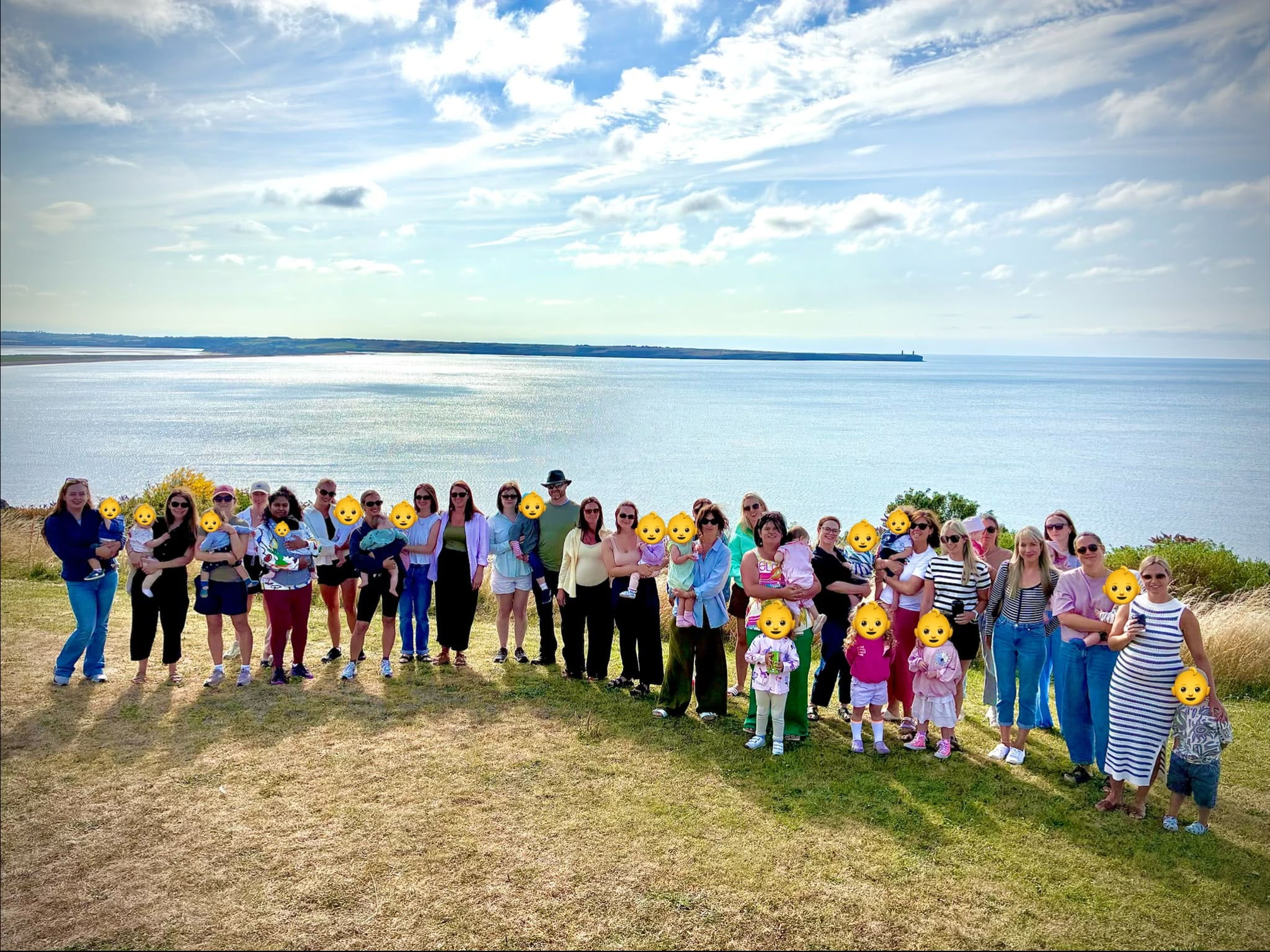
Around 30 parents gathered at the Coast Guard Centre in Tramore yesterday morning to discuss the findings of the Tramore Parent Impact Survey, carried out by campaign organiser Carrie O’Hanlon.
Ms O’Hanlon previously raised concerns about the lack of childcare places in Tramore, warning that the town’s rapid population growth has not been matched by childcare infrastructure. The issue has since been raised in the Dáil by Sinn Féin TD David Cullinane.
Parents are now calling for a state-led childcare pilot scheme in Tramore, saying the town represents the challenges facing many growing communities across the country.
Significant demand for childcare places
The survey, completed by 100 households, identified an estimated 152 childcare places required by respondents.
The greatest demand was for children aged 0–3, with 90 places required, accounting for 59% of all identified demand.
Parents also reported a need for:
- 29 ECCE places (19%)
- 33 after-school places (21%)
While existing childcare providers in Tramore are estimated to provide 374 places across early years and ECCE services, the survey found that demand is far exceeding availability.
Parents identified a need for:
- 70 additional places for children aged 0–3
- 22 additional ECCE places
- 25+ after-school places
The report estimates that Tramore requires a 49% increase in 0–3 childcare places to meet current demand.
Majority of families unable to secure childcare
When asked if they had secured childcare, only 23% of respondents said they had obtained a place.
The survey estimates that 117 of the 152 childcare places required remain unmet, leaving many families relying on temporary arrangements, waiting lists or travelling outside the town.
Parents described fragmented childcare arrangements, part-time places instead of full-time care, long waiting periods and uncertainty over when spaces may become available.
School-day gap and after-school pressures
Although the campaign has focused mainly on early years childcare, after-school care emerged as a major issue.
Parents highlighted what they described as the “school-day gap”, where children finish school at times such as 12.30pm or 1.30pm while parents’ working days continue for several hours afterwards.
Families reported:
- No after-school places available.
- A lack of provision for Junior Infants.
- Existing services closing before the working day ends.
- Difficulties keeping siblings together in childcare.
- Parents travelling outside Tramore to find solutions.
Some parents said they were forced to reduce working hours, leave employment or depend heavily on grandparents to cover childcare gaps.
Impact on households
Parents said the Tramore childcare shortage is having a major impact on family life and employment.
The survey found:
Career and employment pressures
- Parents delaying their return to work.
- Reduced working hours.
- Career progression being put on hold.
- Pressure from employers over return dates.
- Financial consequences for families, including pension impacts.
Reliance on informal care
Many families reported depending on grandparents for childcare, with parents expressing concern that elderly relatives are carrying a burden that is not sustainable long-term.
Logistical challenges
Parents described managing multiple childcare providers, travelling significant distances and trying to create workable arrangements around school and work schedules.
Mental health impact
Parents reported increased stress, anxiety and exhaustion linked to the uncertainty and pressure of securing childcare. Some said they had sought counselling or medical support as they struggled to balance employment and family responsibilities.
Working from home pressures
Some parents said they were attempting to work remotely while also caring for children, describing the situation as unsustainable for both their jobs and family life.
Parents share personal experiences
Forty-six out of 100 respondents chose to anonymously share their experiences of the childcare shortage.
Common themes included forced career sacrifices, with parents, particularly mothers, reporting taking unpaid leave, reducing hours or leaving employment altogether.
Parents also described living with ongoing uncertainty and stress, saying the childcare shortage was affecting their mental and physical wellbeing.
Many families said they were relying on a patchwork of informal childcare, including grandparents and private childminders, while others expressed frustration that new housing developments in Tramore have not been matched with essential services.
Parents highlighted situations where families are travelling outside the town for childcare despite continued housing growth locally.
Call for Government action
Parents involved in the campaign say childcare the Tramore childcare crisis must be treated as essential infrastructure and are calling for immediate state investment.
They are asking the Government to pilot a state-led childcare model in Tramore, arguing that the town provides a clear example of how rapidly growing communities are struggling without sufficient childcare provision.
Campaigners say families cannot continue to wait for solutions and are seeking urgent action to ensure accessible, sustainable childcare is available locally.