

Unions yesterday rejected the Government’s last-ditch plea to call off industrial action, with up to 300,000 public sector workers set to strike. Tomorrow, schools will close, hospital appointments will be cancelled, and court hearings, except in exceptional circumstances, will be cancelled.
Why are these strikes happening?
It’s all about money. The unions want the Government to make commitments in relation to pay before discussions begin around productivity and reforms.
The Government is unwilling to concede this in principle, believing that it will make its negotiating position weaker if it has already made commitments on pay before it gets any proposed reforms to the way in which public sector employees work.
The current pay deal expired in June and has not been reached since, with unions balloting their members over the past number of months, resulting in the public sector strike.
What will happen?
Around 300,000 public sector employees, from senior civil servants through to nurses, teachers and other administrative staff, will go on strike and withdraw labour for 24 hours tomorrow. They will picket their offices in demand of better pay.

University staff, local authorities, and State agencies are also involved in the dispute. Schools will shut, hospital appointments will be cancelled, and the machinery of government will grind to a halt.
What will actually be impacted?
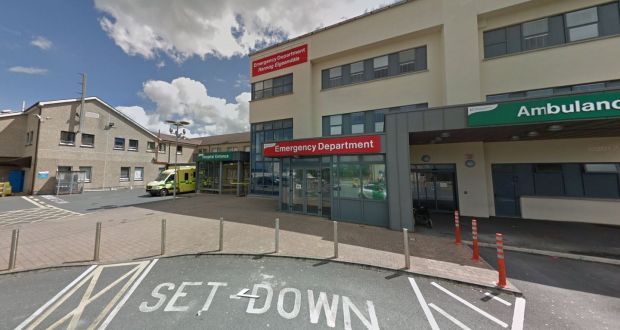
Schools will close, leaving parents not involved in the strikes themselves to find alternative care for their children. Hospital procedures, outpatient assessments and primary care services will also be affected, with up to 150,000 medical appointments cancelled tomorrow. However, critical healthcare procedures such as cancer services and ambulances will remain unaffected.

All national parks will also close, though Phoenix Park will be open. Even the Dáil is set to close tomorrow, after the unions rejected a request from the Government for a derogation to allow ushers and others in the complex to facilitate debate on the day.
Industrial action has already taken place for a number of weeks with thousands of public sector workers on what is known as ‘work to rule’, where they do not stay on past their allotted hours and do not take on any additional responsibilities.
Will public transport be affected?
No. Public transport services, including the Dart, Dublin Bus and Irish Rail, will continue to operate as normal.
What has the Government promised?
In his Budget speech last week, Jack Chambers set out that the State has put aside €1.2billion to deal with pay talks. However, it appears that the Government has in reality budgeted far more than that.
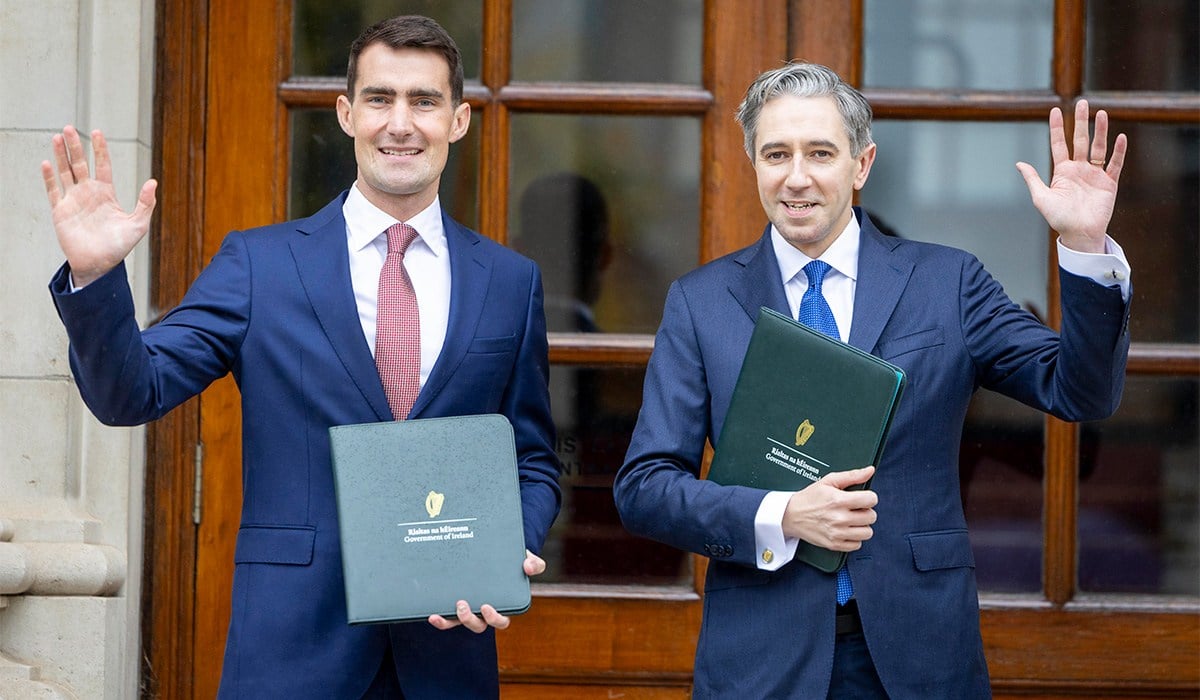
Briefings to the Sunday Independent a number of weeks ago put the cost of the pay talks as high as € 2 billion, but Department of Public Expenditure sources pushed back on this figure.
The Government has set aside a further €1.6billion in unallocated funding as part of the 2027 Budget, with sources indicating that additional funding from this ‘safe’ space will likely be used in the negotiations.
What has the Government said about the strikes?
Taoiseach Micheál Martin last week said: ‘I just get the sense now that people want industrial action, irrespective of what happens.’ His comments were described as ‘glib’ by Phil Ní Sheaghdha, the general secretary of the Irish Nurses and Midwives Organisation (INMO).
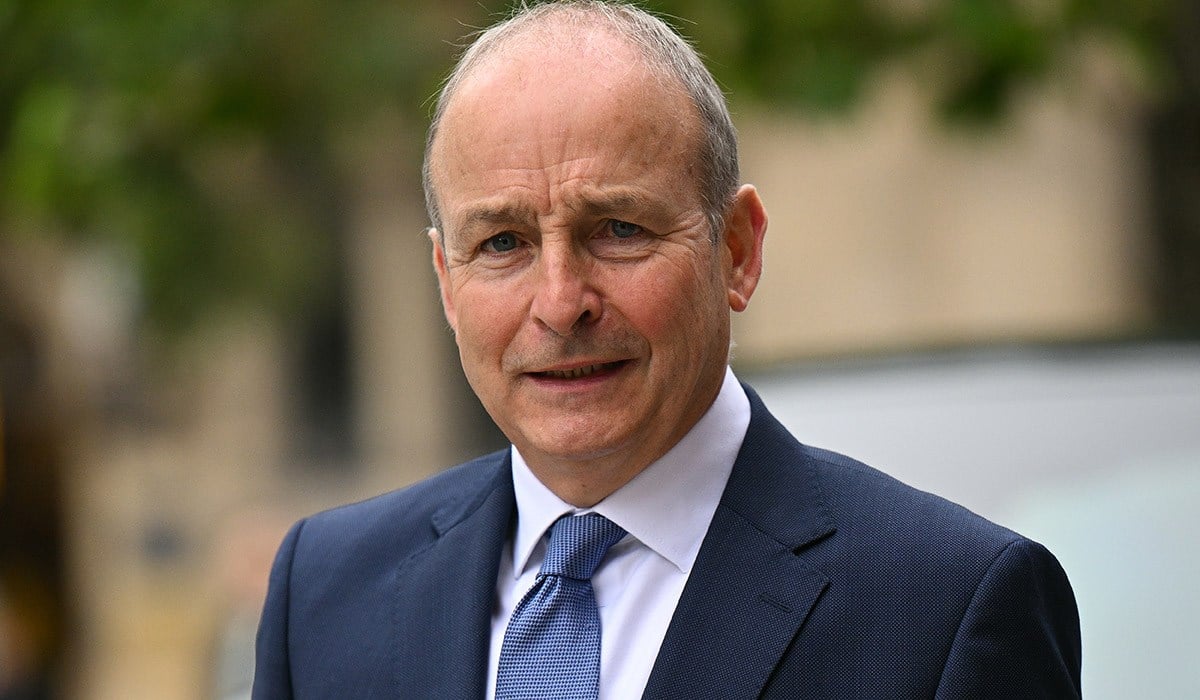
Mr Martin defended his comments on Friday and said that ‘everyone needs to dial it down a bit’.
‘I do not believe the basis exists for industrial action. I don’t believe the public should have to endure that, because there have been significant tax cuts in the Budget, which will help workers.’
Mr Chambers, the Public Expenditure Minister, wrote to the unions yesterday, saying he thought the strikes were ‘unnecessary’ and would cause ‘great disruption to the public’.
Why are the unions striking?
With the Government giving out €750 million in excise duty cuts and other supports earlier this year as a result of the fuel protests, the unions are feeling bullish that a more robust approach will yield dividends.
There is also a perspective within the union movement that they have played by the rules for many years in engaging in social partnership, and have not been rewarded for their behaviour.