


A married Ukrainian couple have lost their claim that they should be entitled to additional social welfare payments while living on a full-board basis in a designated accommodation centre.
Their income was reduced by new rules introduced in 2024, which meant they no longer received a disability payment and a carer’s payment, worth a total of €432 a week.
The couple, who cannot be named, have all meals provided in the hotel in which they live, as well as heating and other services, but told the Supreme Court they were being unfairly ‘pressurised’ into leaving in order to reclaim the welfare payment.
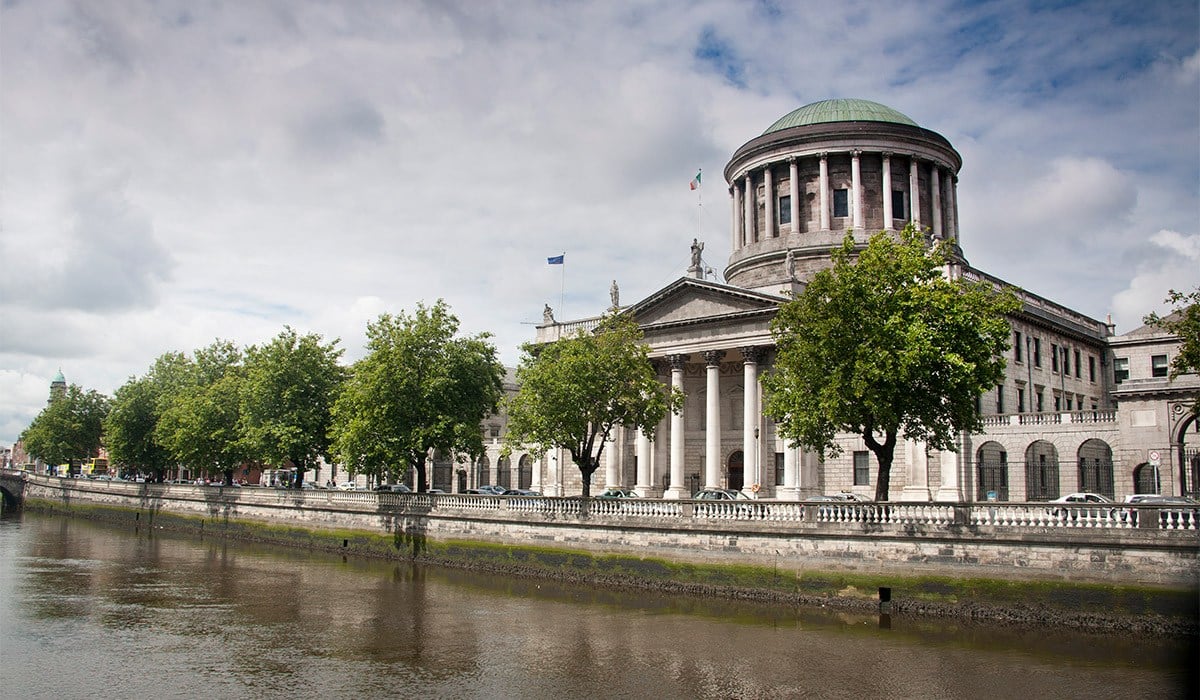
The High Court had previously ruled against the couple, who had been evacuated from their home in Ukraine in March 2022 following the Russian invasion. The High Court had heard that by early 2024, the State’s accommodation system was under such pressure that it was on the verge of not being able to offer any temporary protection to new arrivals.
The Government decided in March of that year that it would reduce the benefits given to Ukrainians, who had previously been entitled to all the same benefits as Irish people, even when living in hotels paid for by the State.
The change meant Ukrainian refugees would still receive the same benefits – if they were not in the designated centres. Instead of their benefits, the couple were given an ex gratia payment of €38.80 a week each.

The State told the High Court it had changed the rules ‘to promote greater independence and integration of displaced persons who had been in Ireland for an extended period’.
The number of beneficiaries of temporary protection living in State-provided accommodation in hotels fell from 60,000 in November 2023 to just over 25,000 in March 2025.
The High Court ruled the new laws would incentivise those who could work, and could discourage ‘welfare tourism’. These were legitimate policy objectives, Judge Alexander Owens said.
He ruled that a policy that disincentivised long-term use of facilities that were intended to be short-term was not inherently discriminatory.
Supreme Court judge Iseult O’Malley upheld his ruling yesterday. She agreed people who had temporary protection and resided in serviced full-board hotel accommodation paid for by the State, and also received social welfare assistance, had a ‘considerable financial advantage’ over other social welfare recipients who had to pay for rent, food or utilities.
Dismissing the appeal, Judge O’Malley said she had concluded that the change in the law had a legitimate objective and was not arbitrary or irrational. She said it was also within the legal scope of the Oireachtas.