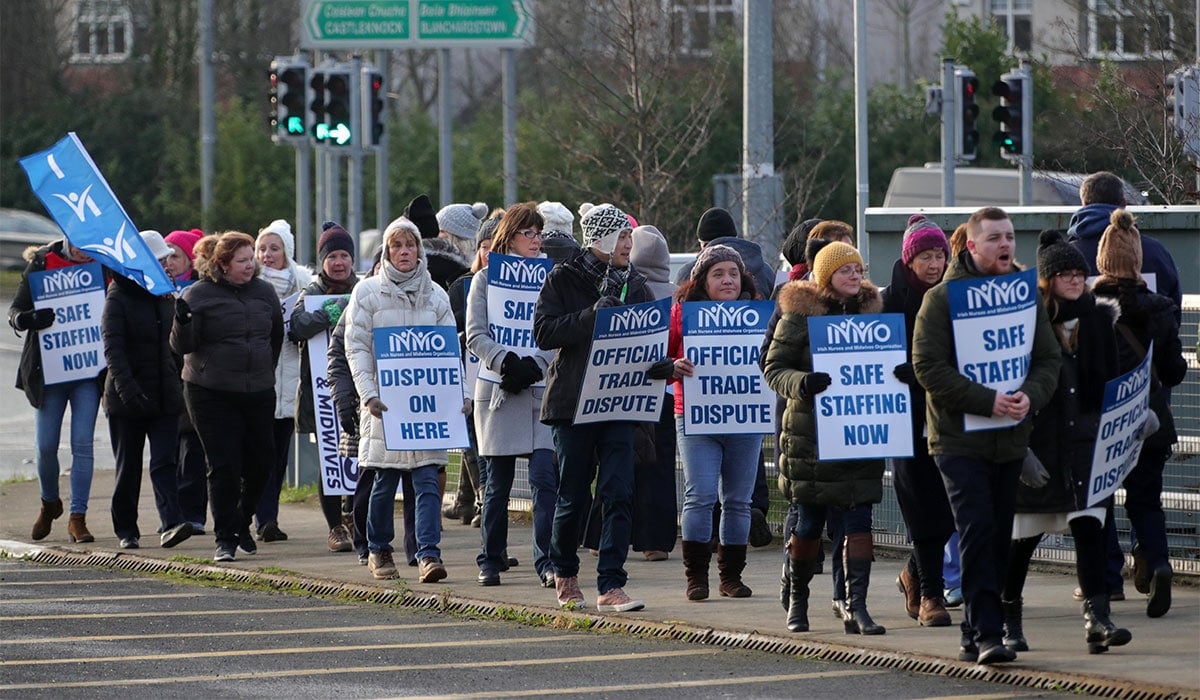

More than 300,000 public sector workers have walked off the job today in the biggest national strike in almost two decades.
The action is set to bring widespread disruption to schools, hospitals and public services across the country.
Here is what is open and what is closed.
Schools, colleges and universities: closed
Most schools across the country are shut, with around 90,000 teachers from the INTO, ASTI and TUI taking part.
Primary, secondary and third-level are all affected, so parents should assume their children’s school is closed and arrange childcare accordingly.
Colleges and universities are also hit.
Hospitals and health services: major disruption
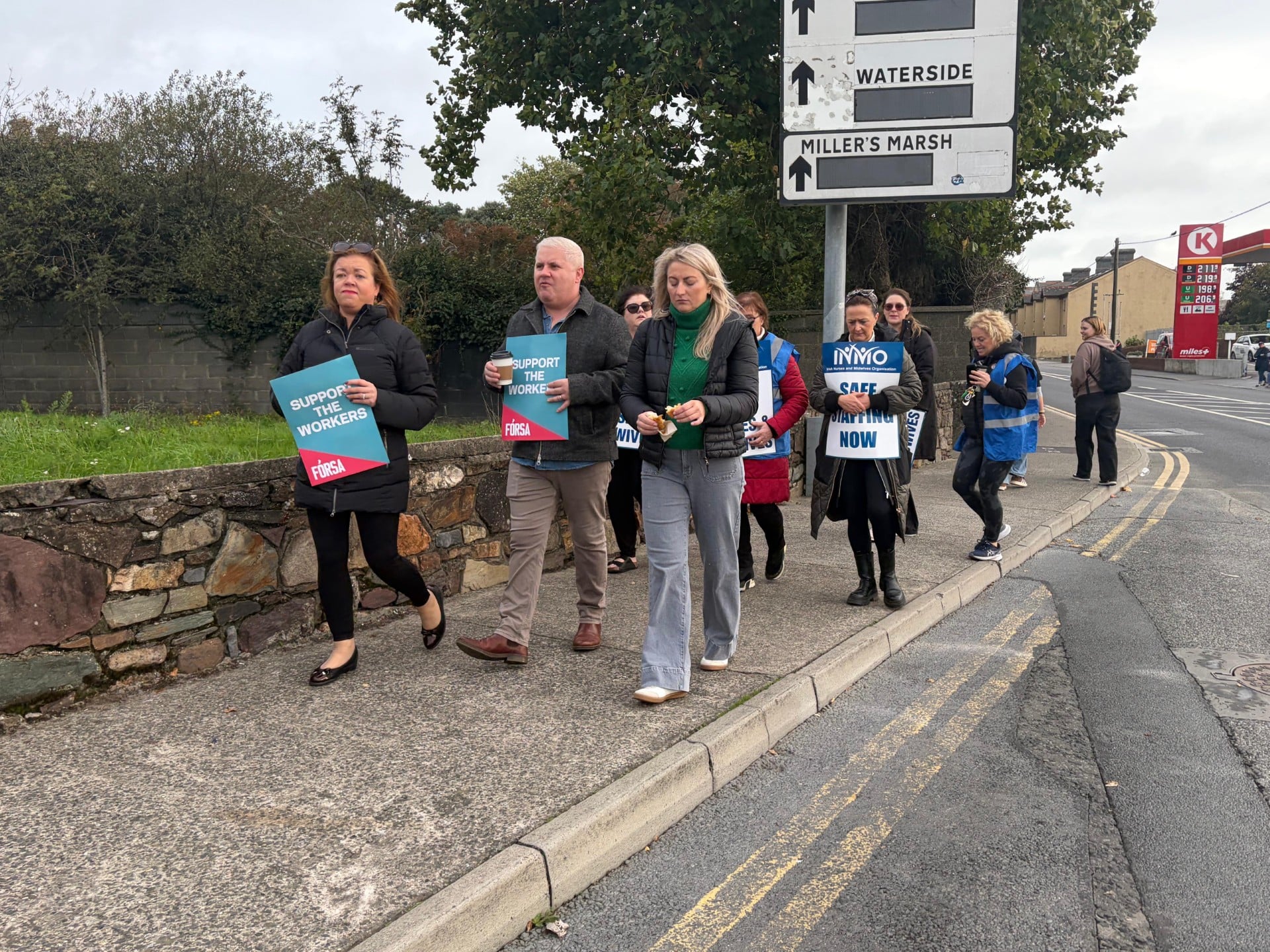
Health is one of the worst-affected areas, with roughly 32,000 nurses striking alongside doctors, consultants and support staff across 30 hospitals.
Non-urgent appointments, outpatient clinics and elective procedures have been cancelled on a large scale. If you have a hospital appointment today, do not assume it is going ahead and contact the hospital first.
Crucially, emergency and life-preserving care is continuing, with essential staff kept on at levels broadly equivalent to overnight rosters.
Courts: closed
Almost all court sittings have been cancelled for the day.
Driving tests: cancelled
With Road Safety Authority staff taking part in the strike, all driving tests scheduled for today have been called off.
Heritage sites, parks and libraries: closed
All heritage sites and parks run by the Office of Public Works are closed, along with many local libraries and public offices, as council services face significant disruption.
The Dáil: not sitting
There are no proceedings in the Dáil, Seanad or Oireachtas committees today.
What is still running
Public transport is operating as normal, with buses, trains, the DART and the Luas unaffected.
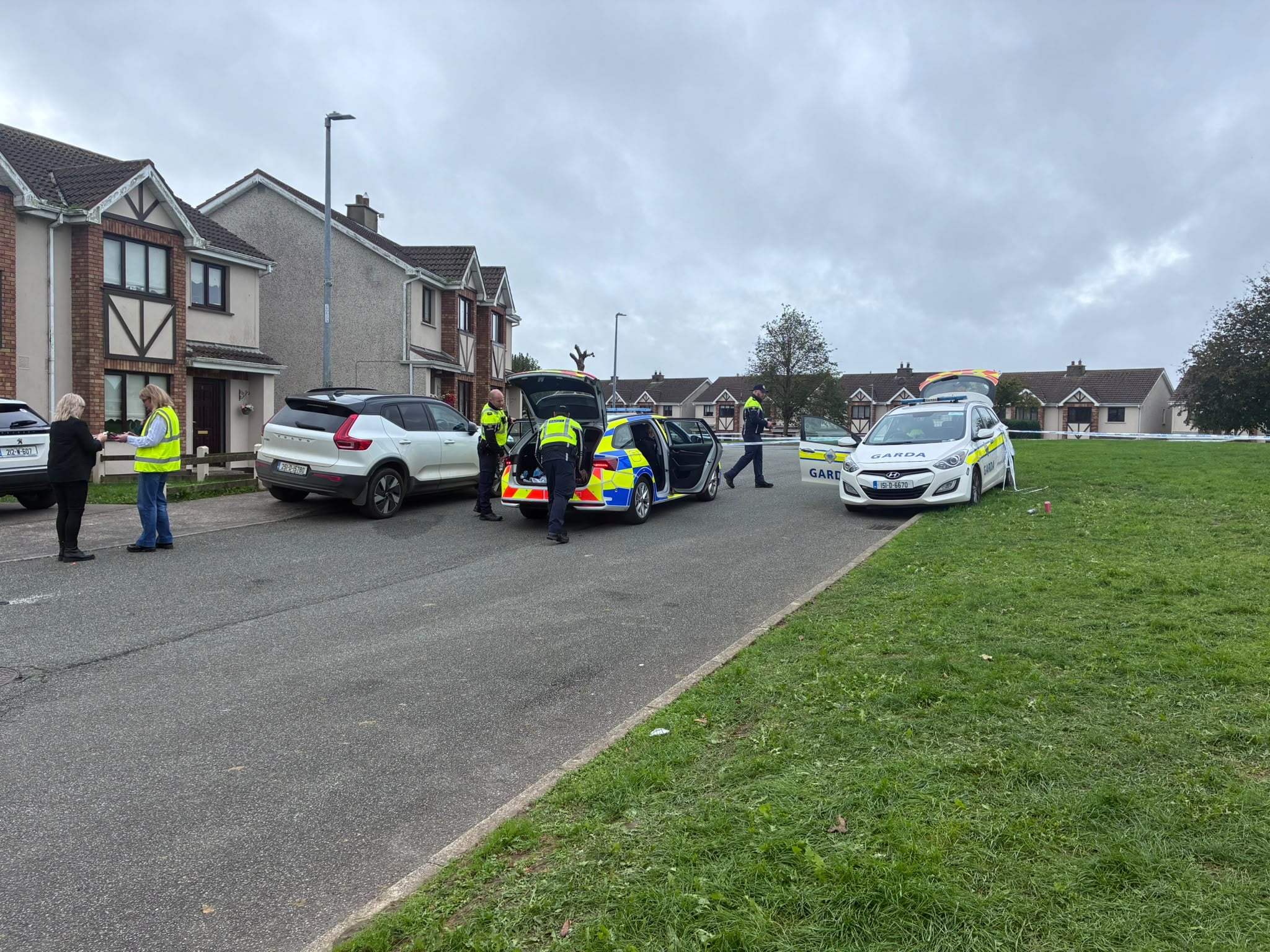
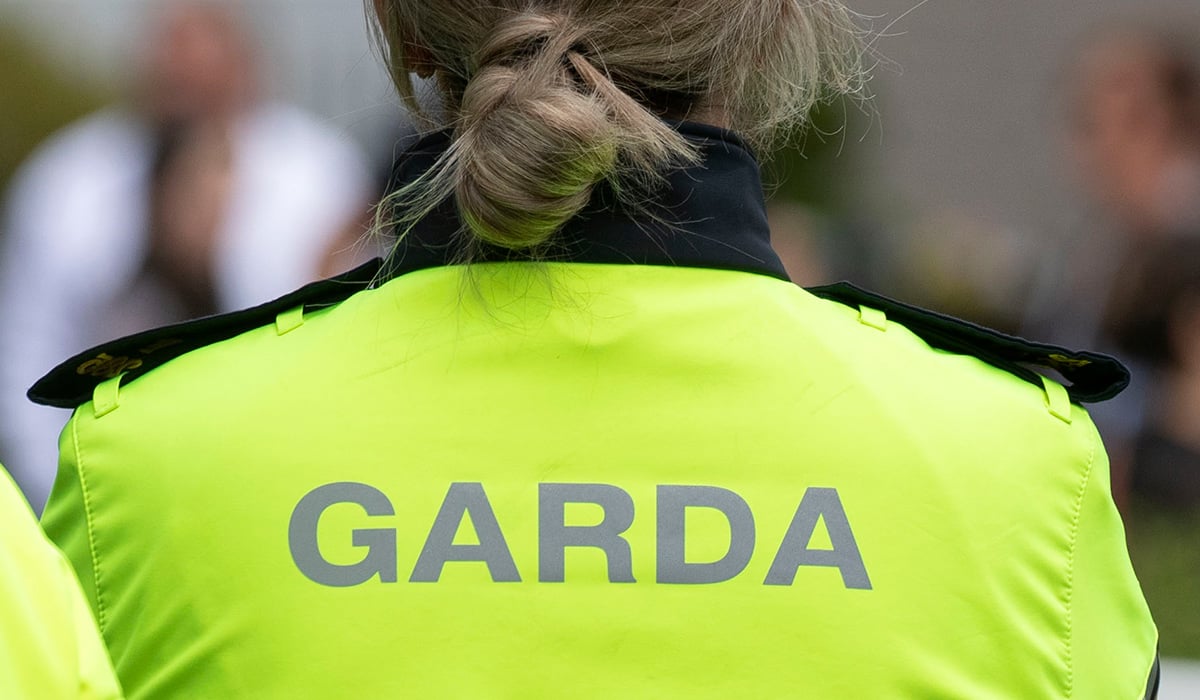
Gardaí and the Defence Forces are at work. Although they are public sector workers, they are legally barred from striking.
Emergency services remain in place, and life-saving hospital care is being maintained.
Why it is happening
The strike stems from a dispute over pay, after the last public sector agreement expired at the end of June with no successor deal agreed.
Unions have accused the Government of failing to make a meaningful offer, and described the €1.2 billion set aside in Budget 2027 as falling well short of what is needed.
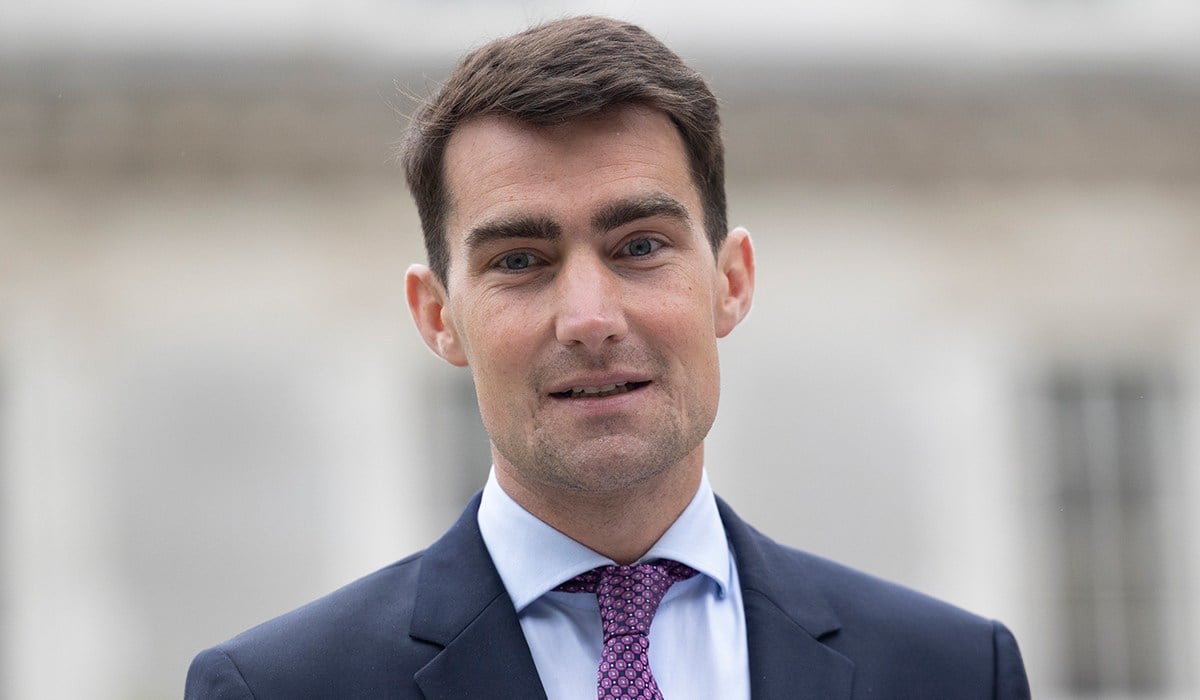
Public Expenditure Minister Jack Chambers has called the action ‘unnecessary’ and said it was ‘deeply disappointing’ that it was going ahead.
What happens next
A second strike day is already lined up for Wednesday, October 21, if the dispute is not resolved, and union sources have warned the action could continue beyond that.
Talks on a new pay deal are expected to begin in the coming days.