

More than £800,000 was lost in romance scams across Northern Ireland last year, according to the police.
The Police Service of Northern Ireland has issued tips to avoid such fraudsters – with 61 reports of dating scams in 2025.
The police said each case involves a person ‘who may have experienced financial loss, distress and a serious breach of trust.’

On World Romance Scams Prevention Day, PSNI Superintendent Joanne Gibson said: ‘Romance scammers are skilled manipulators.
‘Many people use social media and dating sites to find love and meet new people and, while in many cases, situations are safe and legitimate, there are, unfortunately, criminals who take advantage of this and go to great lengths to build a fake relationship. Their sole aim is stealing people’s money.’
The Chair of ScamwiseNI Partnership added: ‘Fraudsters seek to build a relationship of trust quickly before requesting money.
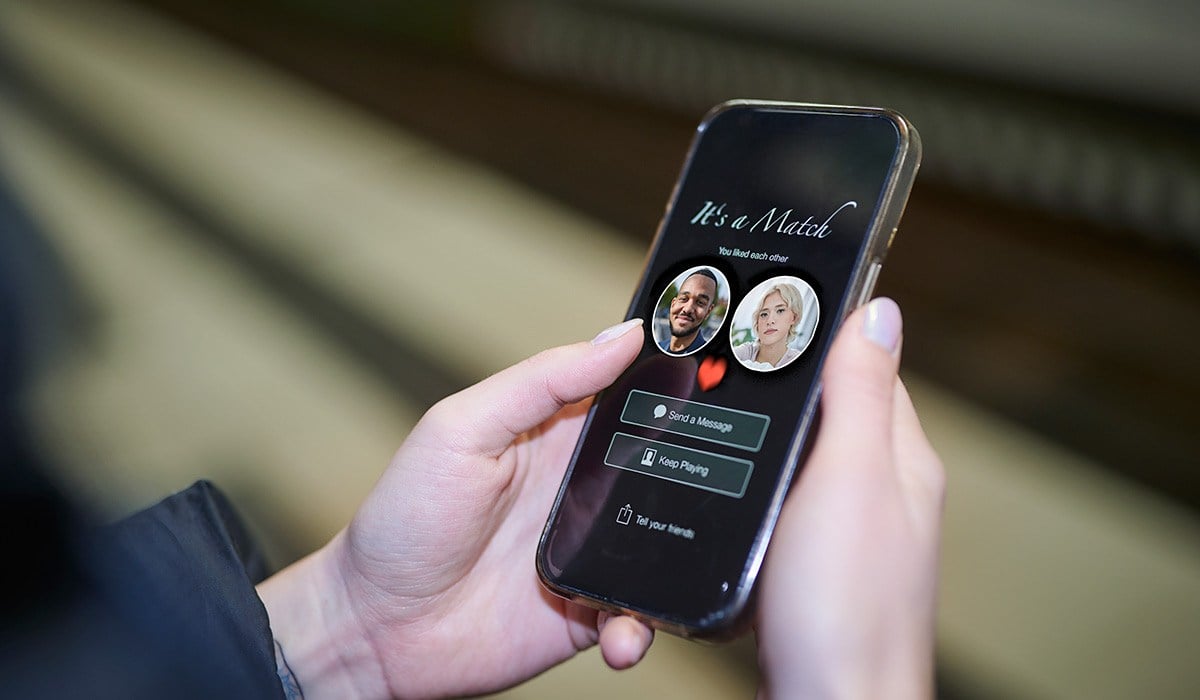
‘Initially, they’ll appear charming and come across as being really interested in you, but they’ll have multiple excuses for not being able to meet face-to-face.
‘They’ll hint at financial troubles and start asking for money by playing on the victim’s emotions. For example, asking for help to pay for medical or legal bills, help a family member, pay for travel, or some sort of investment opportunity. They’ll promise to repay the money but have no intention of doing so.
‘For some people who believe they’ve found a genuine, meaningful relationship, the stark reality is they’ve been emotionally and financially drained.
‘Even if any money lost is recovered, the person is still left to cope with the emotional impact and distress.’
Superintendent Gibson said the fraudsters ‘target everyone’ regardless of age, gender or race.
‘It is a despicable type of crime which, we believe, is under-reported because people feel embarrassed.’
She said help and support are available, adding: ‘We encourage everyone using dating apps and social media to be cautious.
‘Never send money or share your bank details with someone you have only met online, however genuine their story may appear.

‘If something does not feel right, stop contact, speak to someone you trust and report it.’
The PSNI advised keeping communication on the dating website or app, as many have inbuilt security and assistance to remove or ban fake accounts.
It further advised the public: ‘Carry out your own research on the person by checking their social media presence to see if it matches what is on the dating site.’
It added: ‘Be cautious if someone you have met online asks for money, gift cards, cryptocurrency, bank-account access or personal information.
‘Never send money to a person you have not met and verified in person.
‘If you believe you have been targeted, stop all contact with the person and report suspicious profiles to the platform. Keep messages, usernames, payment details, and any other evidence.’