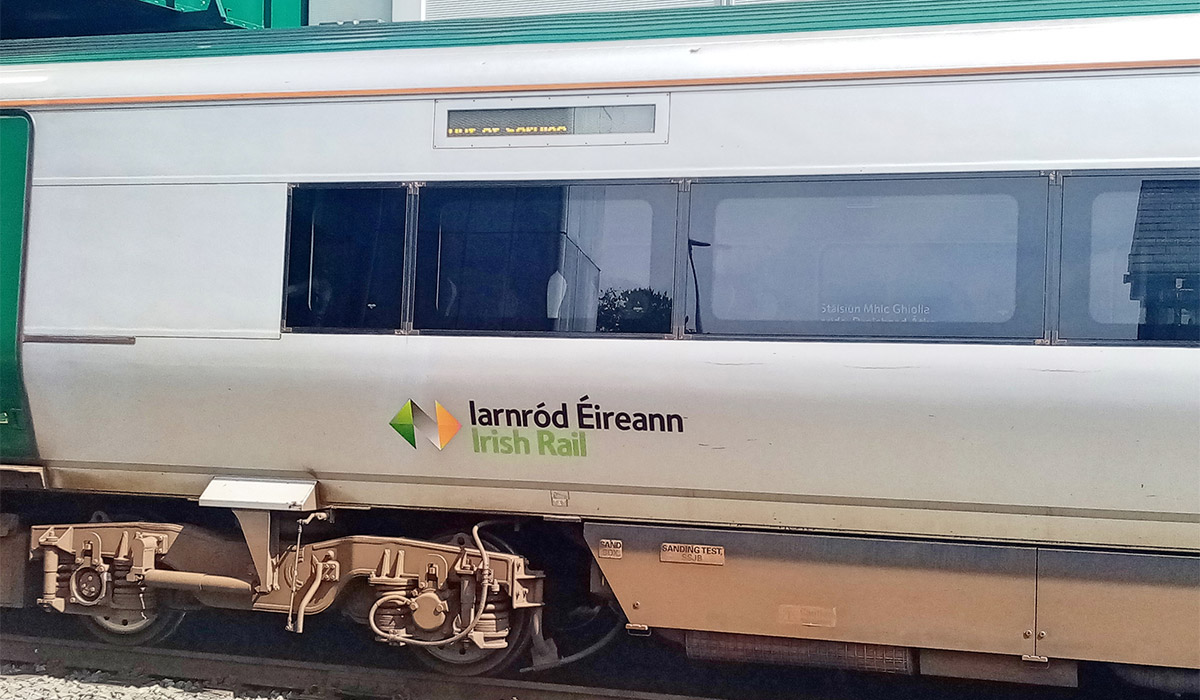

An Irish Rail driver who had been feeling unwell for several days passed through a red signal on the Tralee-Mallow line, travelling more than a kilometre onto the main Cork-Dublin route while exceeding the speed limit.
The incident was described as ‘high-risk’ by investigators, with a signalman in Dublin making seven increasingly desperate attempts to contact the driver and warn them to stop.
However, all attempts to reach the driver failed after they entered an incorrect identification number into the train’s emergency radio system.
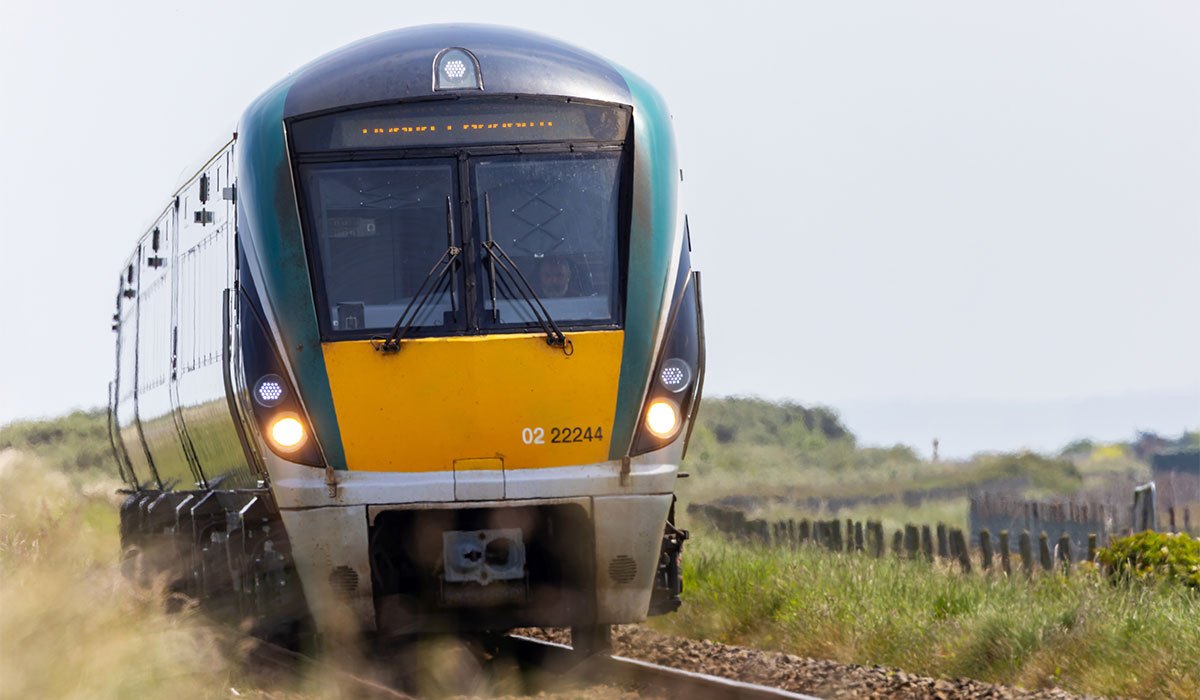
A newly published report by the Railway Accident Investigation Unit (RAIU) has examined the incident, which took place at Killarney Junction, near Mallow, Co Cork, on February 8, 2025.
The investigation found that the driver had been suffering from an illness for several days before reporting for duty. The incident scored 23 out of a possible 28 on the RAIU’s risk assessment scale, placing it firmly in the high-risk category for Ireland’s rail network.
Investigators warned that the incident could have resulted in a catastrophic accident, potentially causing fatalities or serious injuries, had another train been travelling along the same stretch of track.
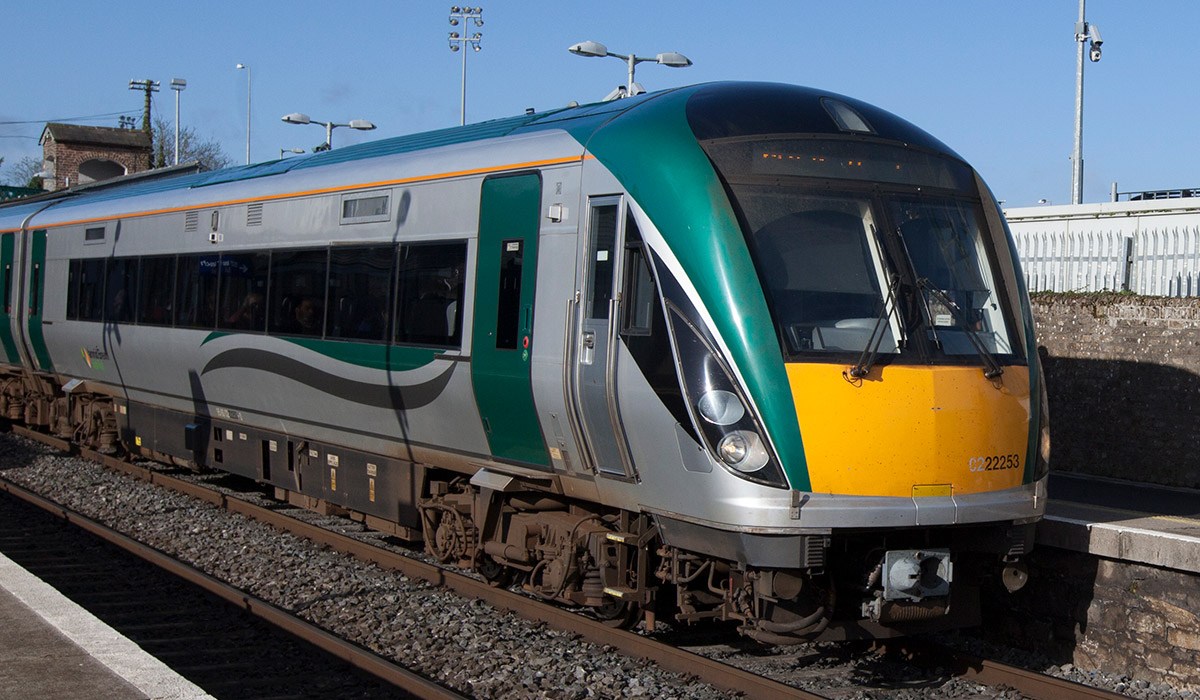
The report, which was covered by Cork Beo, also highlighted wider concerns around safety procedures, human error and the lack of an automatic braking system capable of intervening when a train exceeds speed limits or passes a signal without permission.
Investigators established that the driver had successfully completed a passenger service from Mallow to Tralee earlier that morning.
However, during the return journey, at approximately 1.05pm, they entered an incorrect identification number for their train into the radio system.
Between Rathmore and Banteer, the driver exceeded the speed limit, with the train reaching speeds of 127km/h.
They also incorrectly applied the full brakes when approaching Banteer station in Co Cork.
The report found that at 2.33pm, the train passed a red signal at Killarney Junction while travelling at 69km/h, above the permitted speed limit of 64km/h.
It then continued for 1.34km onto the Cork-Dublin line, causing significant damage to the points system.
The incident had a considerable impact on rail services, with the Tralee line forced to close for more than 24 hours.
A total of 19 trains were cancelled, while €4,100 was spent on replacement bus services for affected passengers.
RAIU investigators concluded that the driver’s health had likely influenced several of their decisions throughout the journey, with evidence suggesting they had become disorientated.
The investigation found that the driver had been unwell but believed they had recovered sufficiently to return to work.
They also told investigators they were aware that other drivers were absent and had requested time off that day, and did not want to inconvenience their colleagues.
However, the driver admitted their condition had progressively deteriorated after leaving Tralee, explaining that ‘things started to go out the window’.
Drug and alcohol tests carried out following the incident returned negative results.
The RAIU said it would not be issuing safety recommendations relating to radio systems, drivers’ non-technical skills or train protection systems, as Iarnród Éireann already had measures addressing these areas in development.
However, it did recommend that explicit guidance be provided to drivers on what to do if they are feeling unwell before or during a shift.
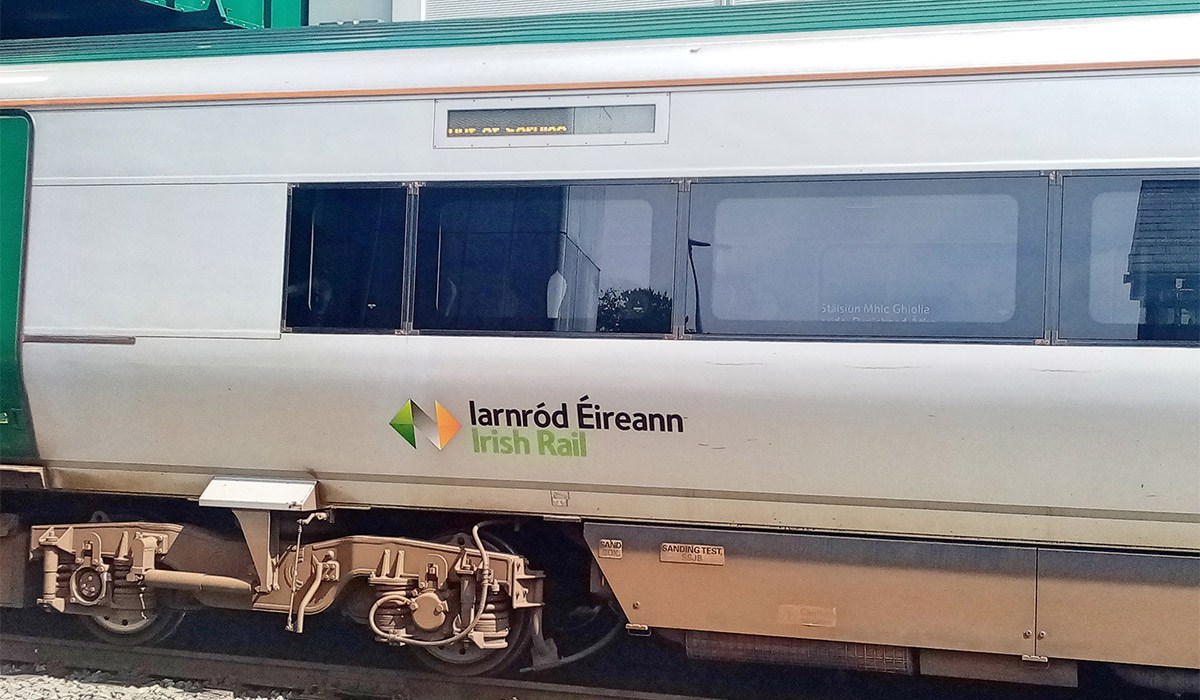
Iarnród Éireann confirmed that following the incident, it issued a signal passed at danger (SPAD) safety alert to all drivers and circulated instructions to signalmen on making emergency calls.
Irish Rail is also undertaking a review of similar incidents that have occurred over the past five years.