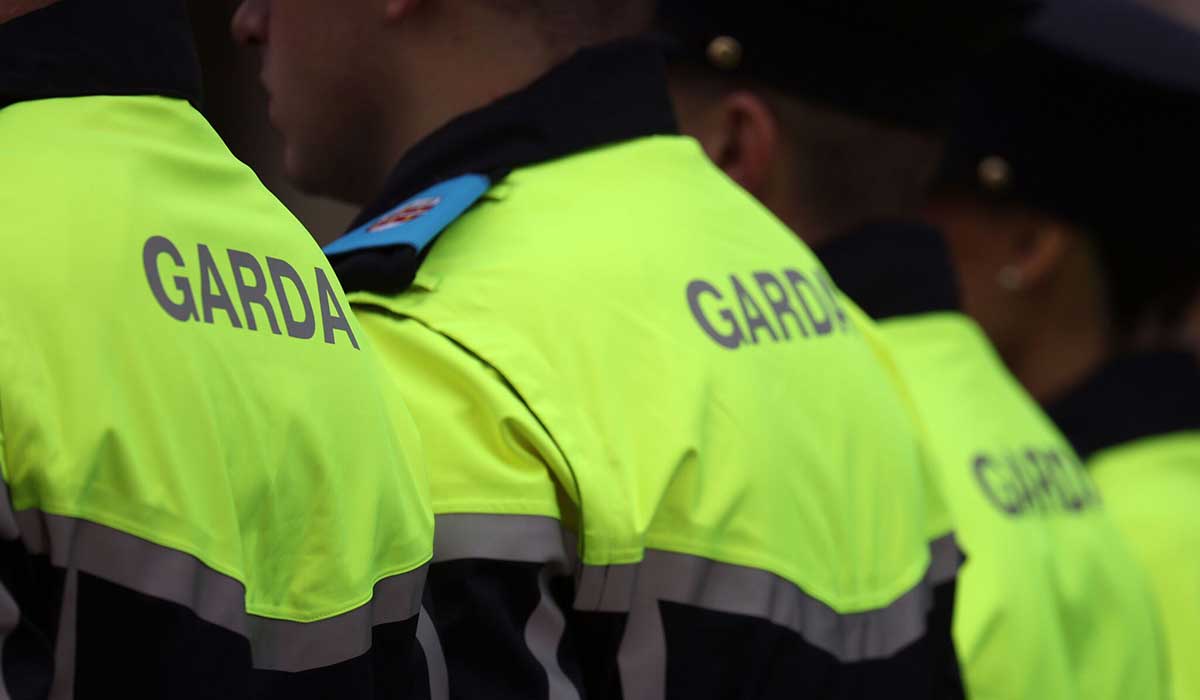

Gardaí say they do not feel safe in their own homes due to personal details being published online following the fuel blockade protests.
Speaking at the Garda Representative Association (GRA) annual delegate conference in Westport, Co. Mayo, yesterday, officers said that members are being targeted by bad actors on social media where personal details, including threats against their young children, are being circulated.
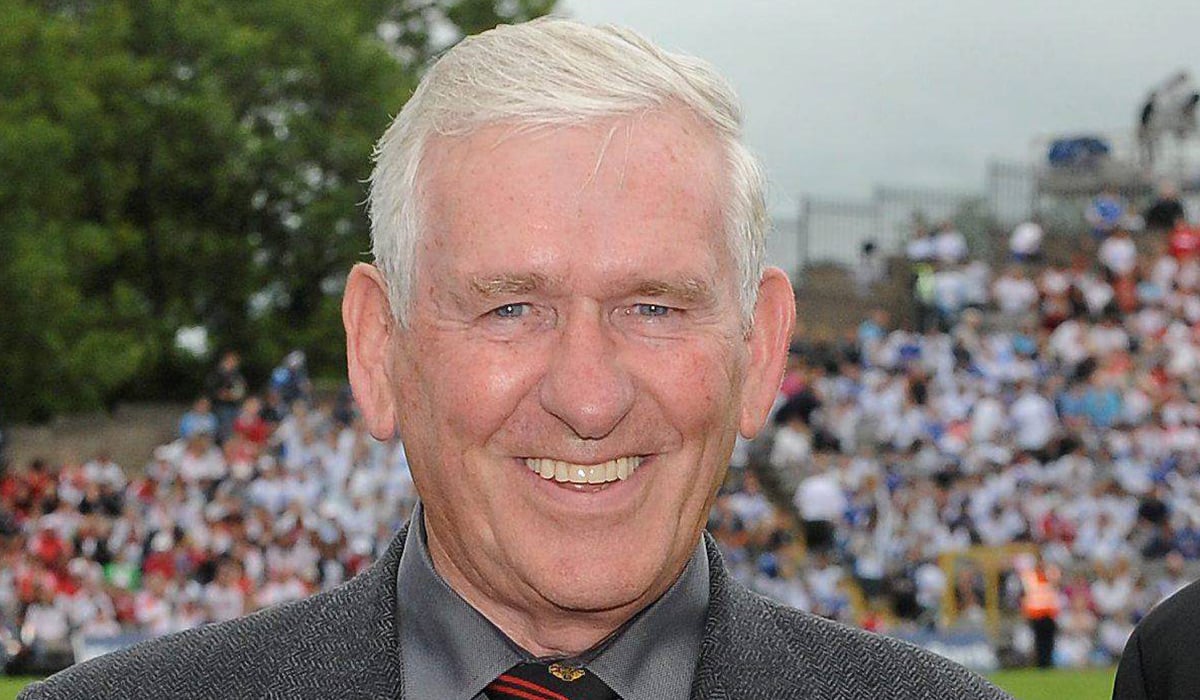
The issue was described by incoming GRA president, Niall Hodgins, as a ‘modern phenomenon’ which is having a devastating impact on gardaí when they finish work and head home.
Mr Hodgins said: ‘To target any member of An Garda Síochána in this manner undermines the effectiveness of policing in society and how it does that, it is that the policeman or policewoman and their families cannot feel safe in their own homes.’
Detective Garda Hodgins added: ‘I would challenge anybody that would suggest that actions like that could be in any way justified to even perhaps exceed whatever point they may be making.
‘We absolutely condemn that. We would welcome the Commissioner’s commitments to pursue these people and bring a prosecution before courts as soon as possible in relation to that, and we strongly support him in that aspect.
‘This is a modern phenomenon, I suppose, that people refer to as “doxxing”. This is where the identities of our members are outed online and circulated. They go viral. But it goes further than that.
‘It goes to identify members’ private stuff, with regards to their families, where they may live, and indeed, it goes as far as to identifying who their children may be so to target any public servant in this manner is completely outrageous, and we need tools to deal with this phenomenon.’
Mr Hodgins said that ‘media manipulation has gone on for many, many, many, many years’.
He added that new laws must be brought in to support gardaí in these situations, stating: ‘We would feel that our legislators may be behind in this particular area. So we just feel that agitators that may join genuine protests are utilising these tools to attack our members, to advance their own self-indulgent views with regards to their views and how matters should progress.’
Mr Hodgins added: ‘If you look at it globally, doxxing is a problem that’s well known. We have addressed conflicts specifically about online threats and the effect it had on families. So it is something that has a huge effect. There will be an urgent motion at our conference.’
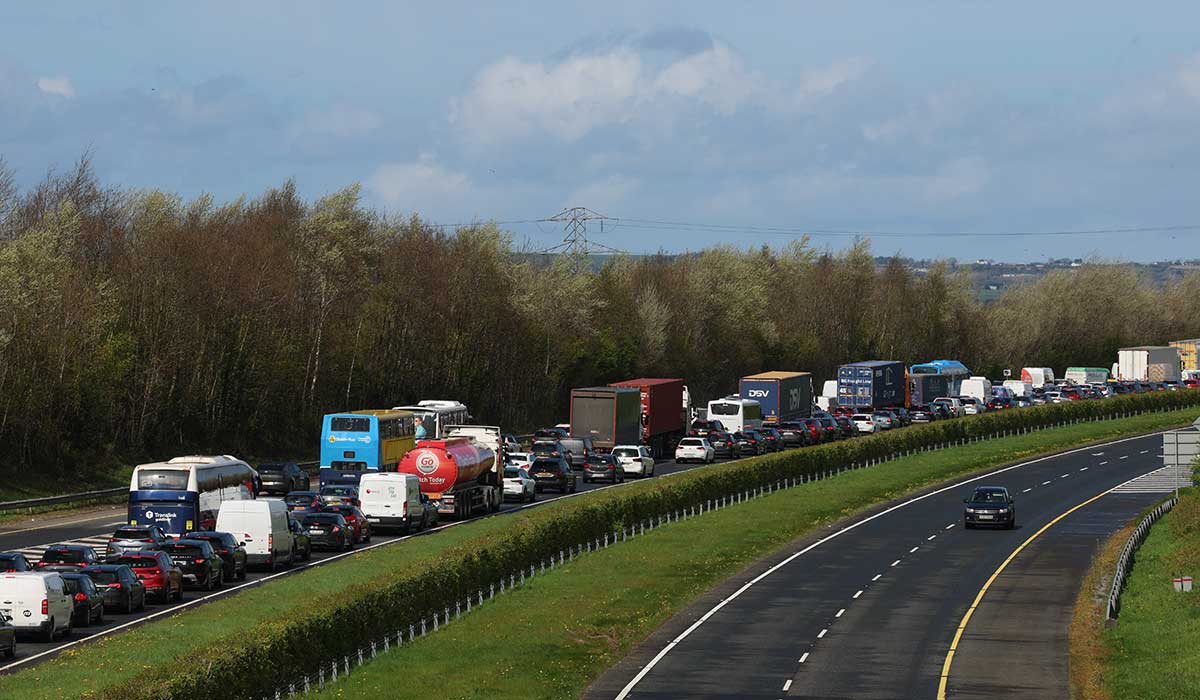
Gardaí were stretched to breaking point during the fuel protests, with an ‘exceptional event’ declared on the evening of April 10 that ordered officers to cancel rest days and remain on duty.
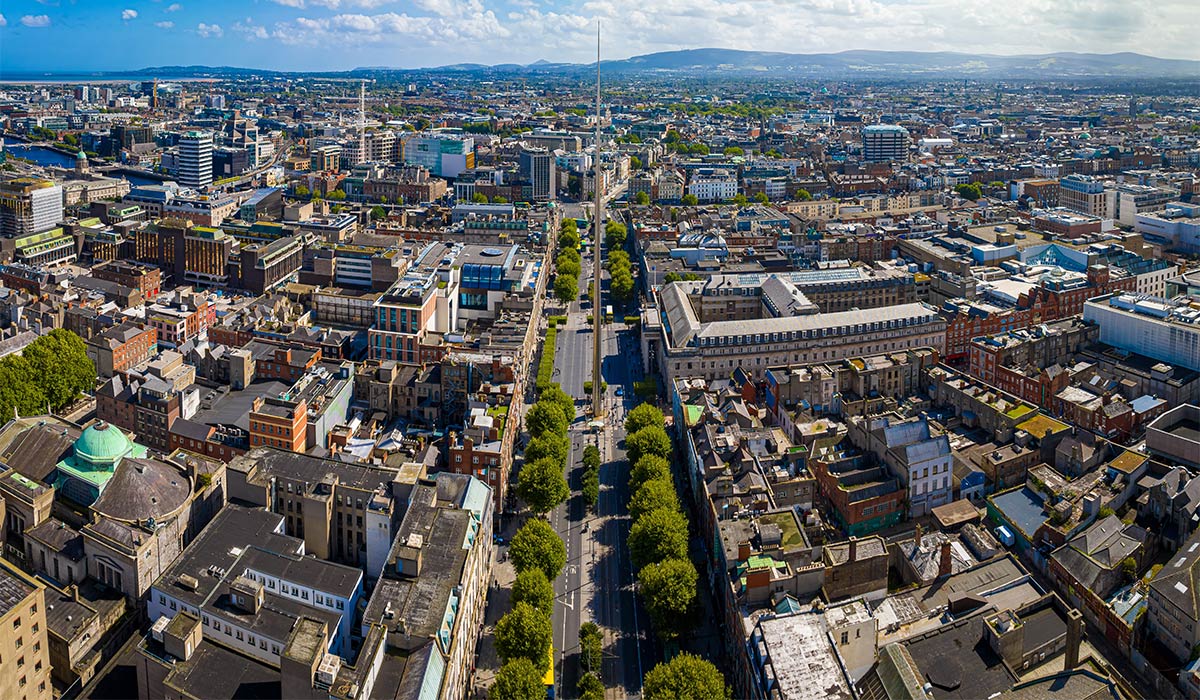
The Garda Public Order Unit was ultimately deployed to clear blockades at Galway Port, on O’Connell Street in Dublin and at other locations on April 12.
Just three weeks ago, the Association of Garda Sergeants and Inspectors’ (AGSI) said the home addresses of serving gardaí were being posted online as an attempt to harass and intimidate members of the force.
Gardaí said they are now seeing a significant rise in incidents relating to social media abuse and are calling for urgent supports, guidance, and protective measures to be put in place.
General secretary of the AGSI, Ronan Clogher, said he and the organisation have been in contact with Garda Commissioner Justin Kelly to create a policy to support members who come under fire from people who record content which is then shared online.
In some cases, Mr Clogher said the home addresses of gardaí have been posted online. In others, people have turned up to workplaces of children of the gardaí.
He said: ‘We want the Government to call on the social media companies to cooperate. We have requested numerous times via Garda management and the authorities for clips of our members to be taken down and that has not happened, and that is members who are going out and conducting their duty, and they’re finding it very difficult that they’re now facing character assassination on social media with these vile and vexatious slurs and allegations.
Leo Varadkar slammed for ‘shameful’ remarks over farmer subsidies