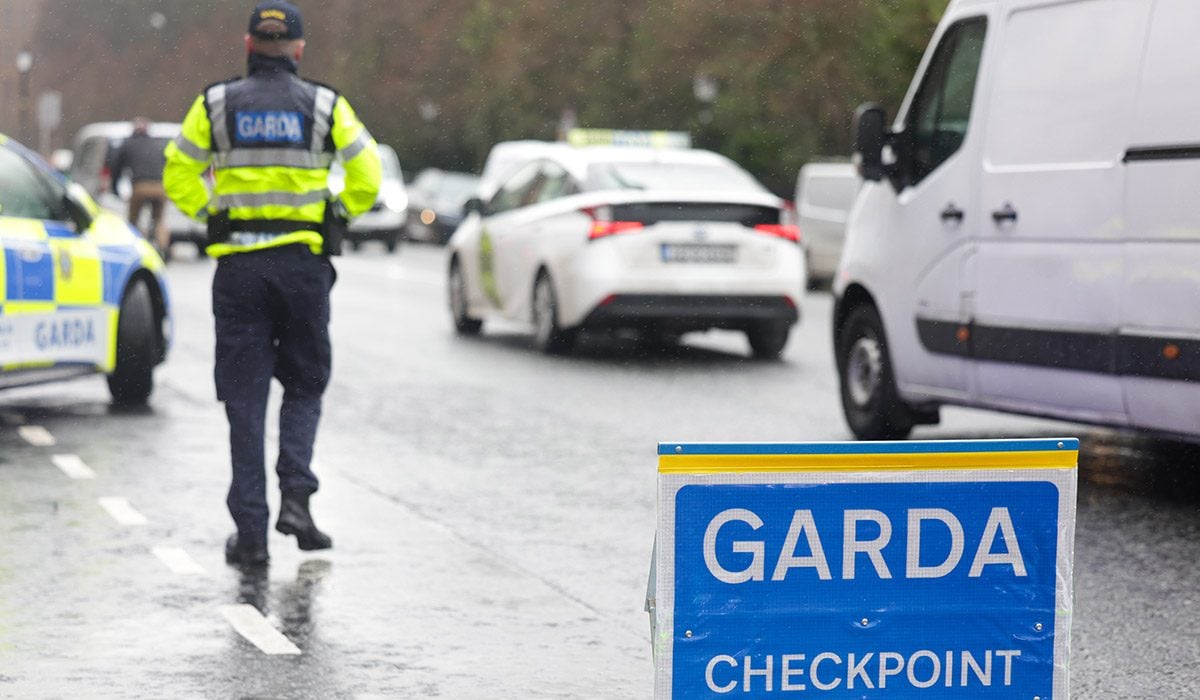
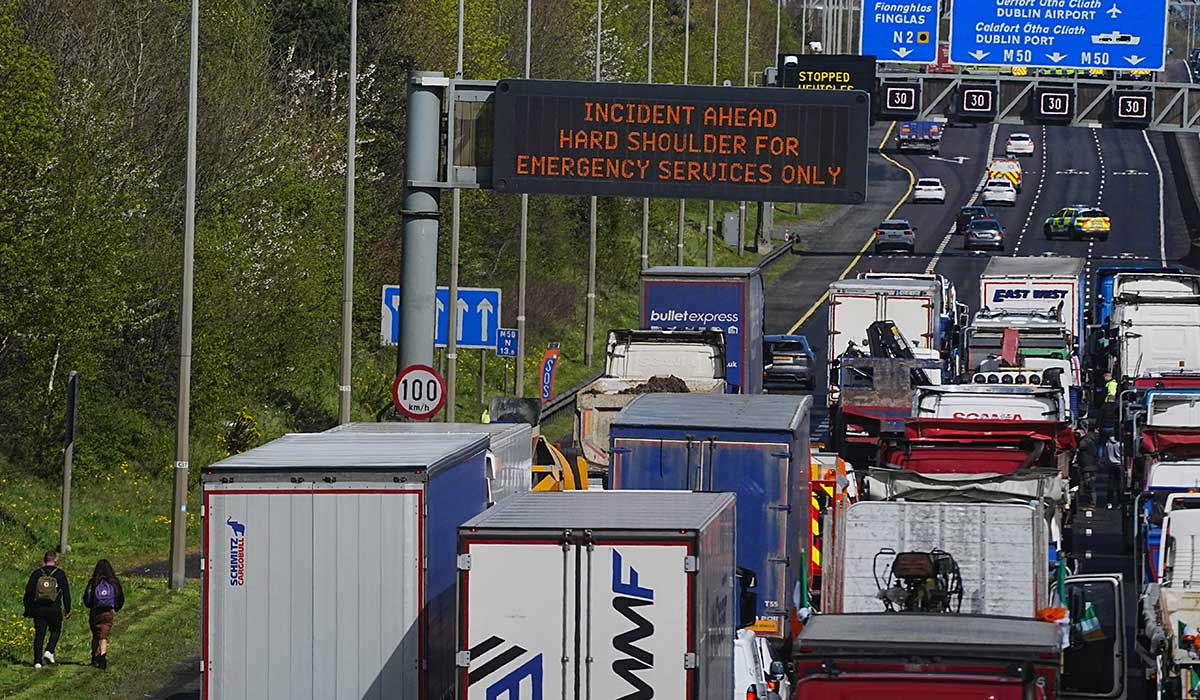

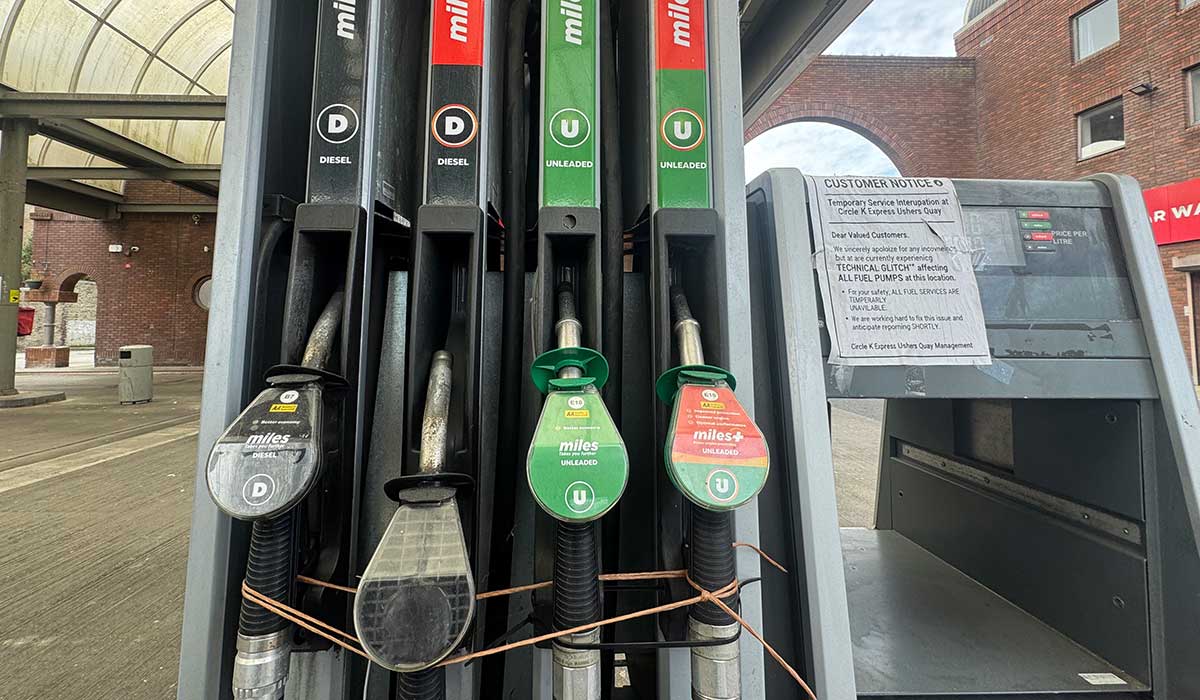
Fuel protests that brought the country to a halt last month were a ‘key factor’ in driving up construction costs and delaying house-building, a new report shows.
Roads, ports, and critical infrastructure were blocked in a weeklong protest over the rising cost of fuel brought on by the Iran war.
But new research from AIB has found that those actions saw delivery times for construction materials increase to their lengthiest time since May 2022, as input costs reached a four-year high last month.
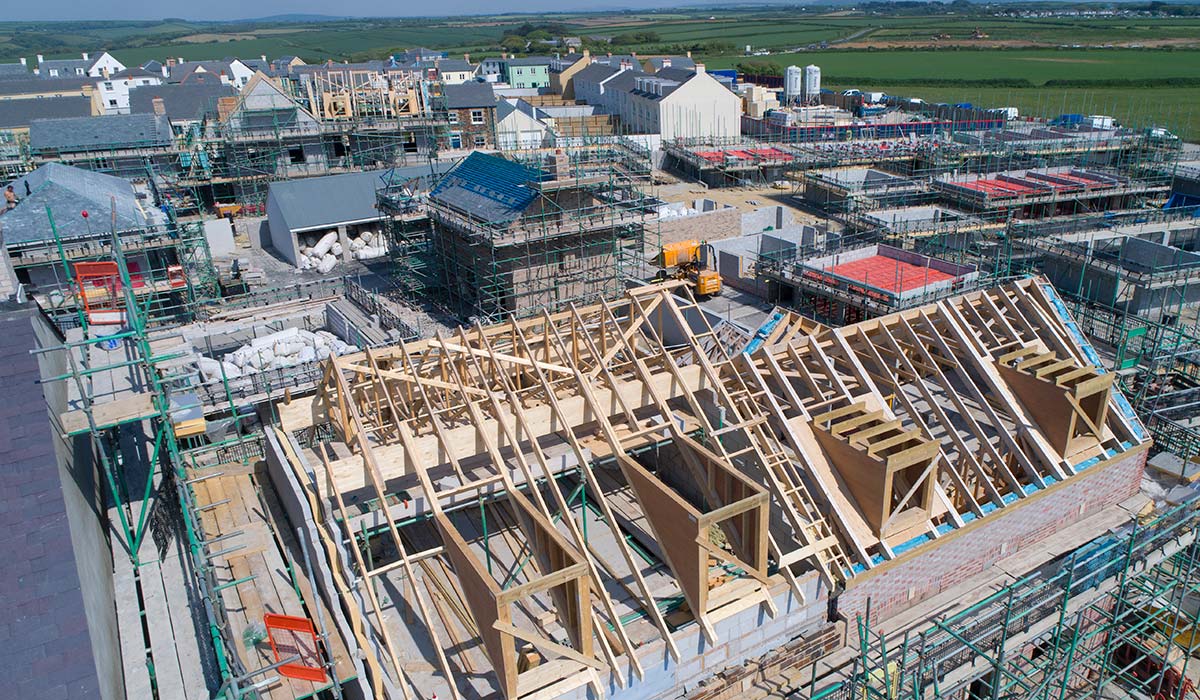
Combined with the fallout from the war in the Middle East, the result has been ‘lost momentum’ in the construction sector in the second quarter of the year, the AIB Construction PMI report states.
The report, published today, says ‘uncertainty caused by the war in the Middle East led to a renewed contraction in the Irish construction sector during April’.
It continues: ‘New orders decreased for the first time in five months, prompting a renewed fall in construction activity, while business confidence waned.
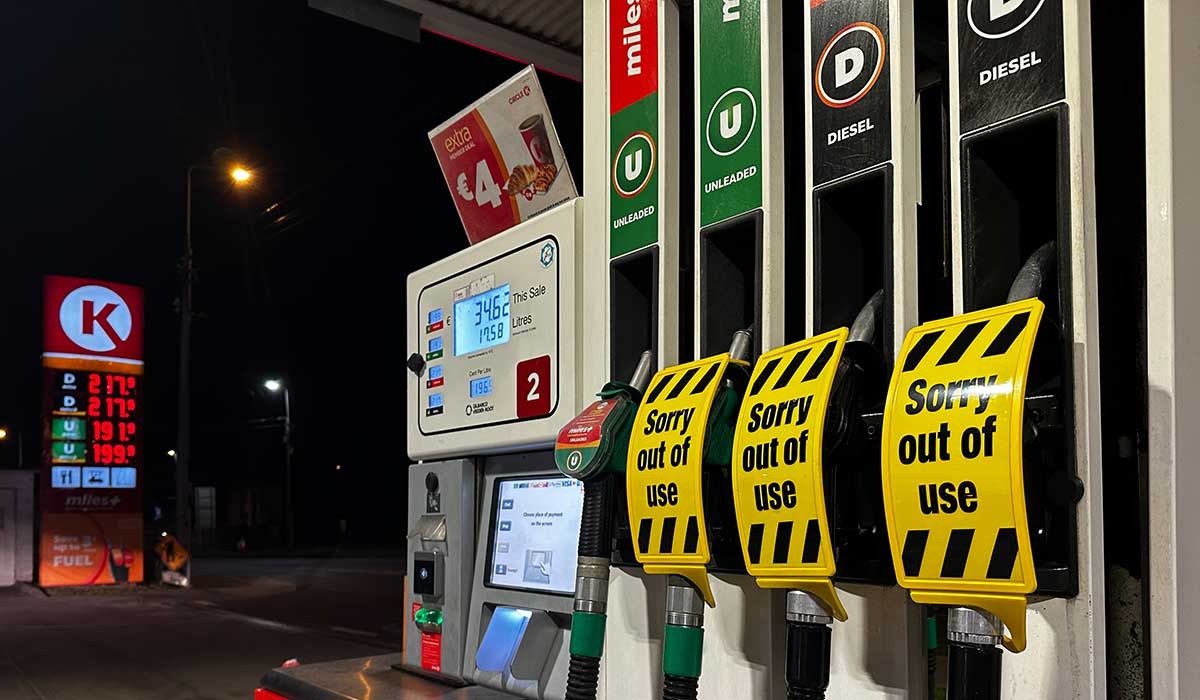
‘Fuel protests, meanwhile, contributed to a substantial lengthening of suppliers’ delivery times and input cost inflation surged higher.’
The report adds: ‘Fuel protests, meanwhile, were a key factor resulting in longer suppliers’ delivery times. Lead times lengthened to the largest extent since May 2022, with shipping delays due to the war in the Middle East also impacting vendor performance.’
John McCartney, professor of planning and environmental policy at Technological University (TU) Dublin, told Extra.ie: ‘Materials have to get around and the country was shut down – or at least logistics was interrupted or interfered with – for the best part of a week, and therefore it’s bound to have certain knock-on affects for businesses of all kinds, and construction, you would expect to be one for those because the heavy materials that they’re using have to be transported by road.
‘We know that a lot of material costs are correlated with the price of oil because, for example, it takes a lot of thermal energy to make cement.
‘So if the costs of fuel goes up in the month, which it almost certainly did, with everything that’s happening in the Middle East, then it’s going to impact as well. I would say it’s a mix of all of those things.’
AIB senior economist John Fahey said the sector ‘lost momentum at the start of the second quarter as the uncertainty arising from the conflict in the Middle East weighed on activity’.
The slowdown saw the first dip in new orders since November, which is ‘regarded as a leading indicator’.
The nationwide protests saw farmers and hauliers take to the streets in their tractors and lorries protesting about rising fuel prices caused by the war in the Gulf.
At one point, the protest in Dublin closed O’Connell Street to traffic as the protesters slept in their tractors and lorry cabs overnight.
Activity and new orders were down in April and the industry saw the ‘sharpest rise in input costs since June 2022’, while ‘supplier lead times’ lengthened to the ‘largest degree in almost four years’, the report adds.
Cement and concrete is ‘highly energy-intensive’ in its production and ‘that’s before you get into the trans – portation of heavy goods’, Prof. McCartney added.
While building work saw growth in February and March after the seasonal winter slowdown, the April protests saw it contract again.
In addition to problems in housing, the civil engineering sector – which involves large infrastructure projects such as transport links – saw a year-long slowdown.
Mr Fahey said: ‘Elsewhere, civil engineering recorded its 12th successive month of contraction. Some of the other details in the survey also illustrate the subdued operating environment for the construction sector last month.
‘The new orders index, which is regarded as a leading indicator, experienced a decline for the first time since November.’
The report notes that many respondents linked the decline to projects being put on hold due to the uncertainty caused by the Middle East conflict.
‘The impact of the conflict was also reflected in higher fuel costs contributing to input cost inflation increasing at its highest level since June 2022,’ it states.
‘Meanwhile, the level of optimism regarding the outlook for construction activity was also negatively impacted by the war in the Middle East. Sentiment dipped to its lowest level since late 2022.’
However, it adds: ‘One bright spot in the April report was firms continuing to expand their staffing levels.’ z
Some firms reported that they had brought forward purchasing of materials amid price and supply disruption, leading to a further solid increase in input buying during April.
Employment also continued to rise as companies took on extra staff in response to a recent spell of new order growth, with workforce numbers increasing to the greatest degree in just over two years.
Finally, sub-contractor usage increased modestly and availability declined sharply. The AIB Construction PMI is informed by questionnaires sent to a panel of around 150 construction companies.
The Construction Industry Federation (CIF) was contacted for comment.
The fuel protests wound down on April 13 after the Government announced a € 505 million support package, including a further 10c-per-liter cut in excise duty on petrol and diesel to the end of July, a 2.4c reduction in green diesel, and a suspension of planned carbon tax increases until the October Budget.
Direct payments were also extended to hauliers, bus operators, farmers, agricultural contractors, and those in the fishing industry.