
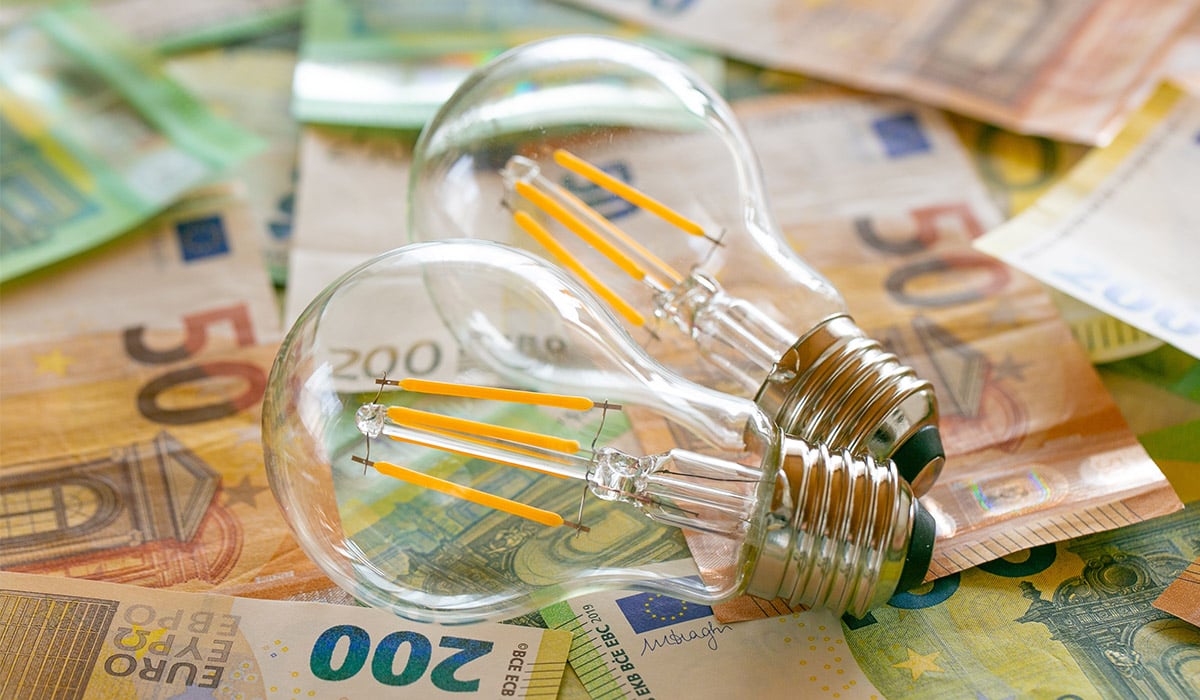

Ireland has the highest electricity prices in Europe before taxes, levies and energy credits are taken into account, a new study shows.
Ireland’s exposure to international gas prices helped push up residential power prices, as 29% of it comes from gas-fired generating plants.
Wind turbines supplied 22%, and the rest was a mix of coal, peat, oil, burning waste, solar, and hydroelectric. The ESRI study released yesterday explains: ‘Taking into account relative purchasing power, residential Irish electricity prices fell to the 15th-highest in 2024, close to the EU average.’

However, bills could rise by €100 by 2029 as the cost of upgrading the grid is passed on to bill-payers, it says. Government interventions such as VAT cuts and several rounds of credits since 2022 have shielded households ‘considerably from rising prices’, the report says.
Once these factors are taken into account, residential Irish electricity price dropped to the eighth-most expensive in Europe in 2024.
Domestic utilities expert Daragh Cassidy of Bonkers.ie said: ‘This report is timely as it shows the importance that Government taxation is playing in keeping our electricity prices somewhat under control.
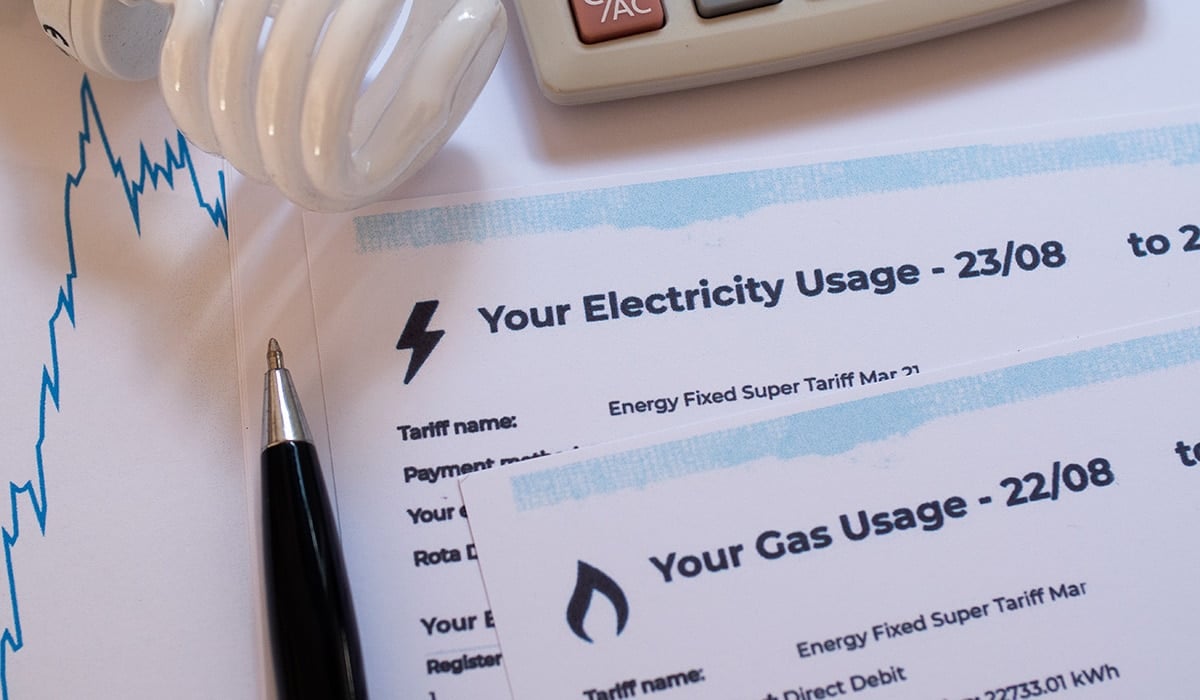
‘Excluding tax and levies, Ireland’s electricity prices are by far the highest in Europe and have been for some time. And we need more insight into why this is the case.
‘However, our 9% VAT on electricity compares favourably to many other countries, helping to keep the total price of electricity here a tiny bit more competitive.
‘Thankfully the Government has committed to keeping the rate at 9% until 2030, though I think it could even be reduced slightly further.
‘Regardless of what happens in the Middle East, a growing population, electrification of the economy, and the investment need to reach net zero all mean electricity prices are likely to go up even more over the coming years,’ he added.
Network costs have risen in recent years, especially in 2022 and 2023, as the procurement of emergency generation was financed by increased charges, the ESRI also found.
And the rises in cost have been small relative to the impact of rising fuel prices, the report says. The ESRI also warns future investments to upgrade the grid will increase costs.
‘While notable, the magnitude will be less than that experienced in recent times. The CRU predicts annual household bills may rise by €59-€106 by 2029/30,’ it says.
It also says the way network tariffs are recovered may need reform to incentivise efficient development. But renewable power generation, such as wind turbines, acts as a hedge against high wholesale prices due to changes in the design of renewable support schemes that came into place in 2019.
‘People just can’t afford it’ – Heating oil at its highest price ever