
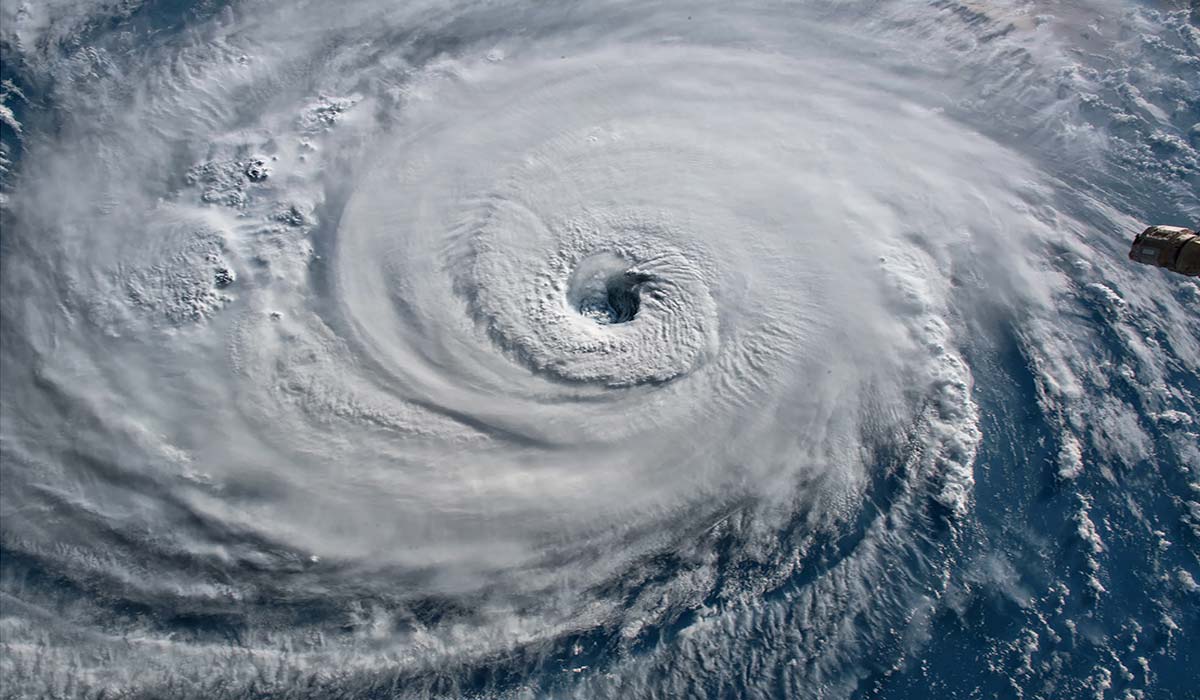

Weather experts have stressed that the super El Nino threatening to bring adverse conditions to the UK and Ireland, has now turned into a ‘mega El Nino.’
As per the Daily Mail, updated weather maps show temperatures rising up to 10 degrees Celsius above average in parts of the Pacific.
While households across the UK and Ireland have been warned that large winter storms could be on the horizon, rainfall and temperatures will also be affected for months to come.
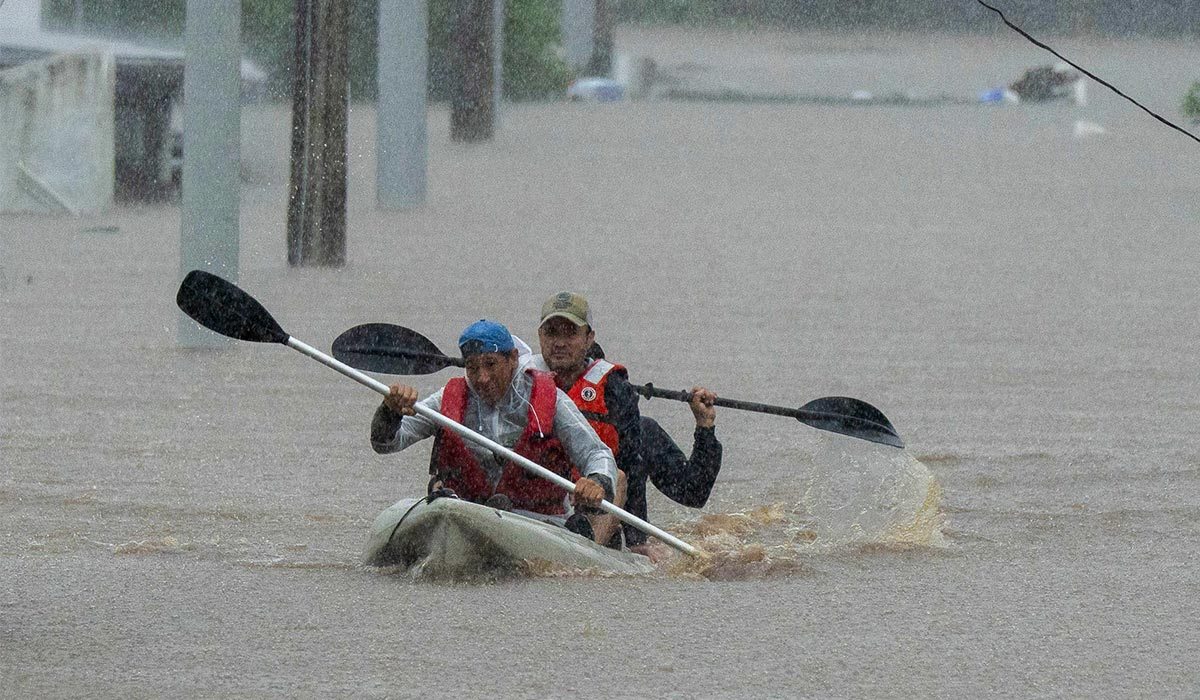
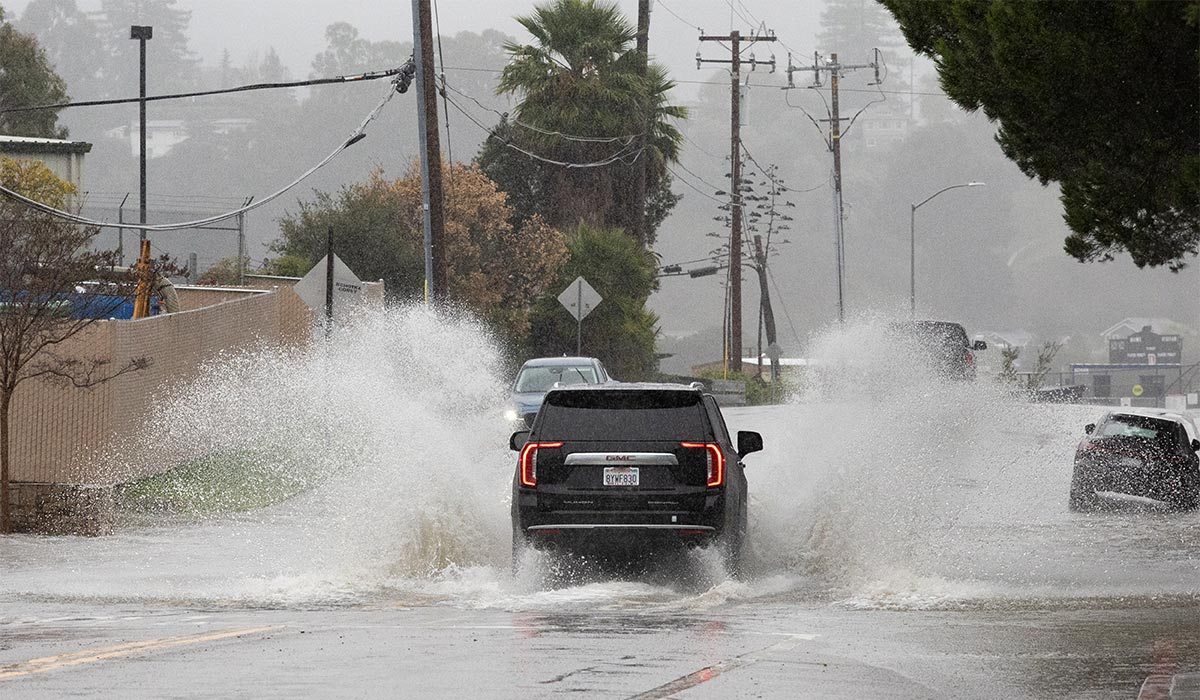
Damaging winds and heavy rain have deeply impacted the west coast of America in recent times, with the adverse weather events being linked directly to El Niño.
US meteorologist Ryan Maue wrote on X, ‘+10°C sea surface temperature anomaly near Galapagos and off coast of Peru.’
He cautiously added; ‘This is now a mega El Niño.’
A striking new map has also revealed a band of unusually warm water stretching across the equatorial Pacific, with temperatures reaching as much as 10C above normal near the Galapagos Islands and the coast of Peru.
The map, published by the European Centre for Medium-Range Weather Forecasts, shows the area of elevated temperatures extending from the central Pacific towards the South American coastline.
In the graphic, waters colder than average are shown in blue, while warmer temperatures are represented by shades of yellow, bright red and dark red.
The alarming conditions have prompted warnings about the potential impact on marine life.
Dr Genevieve Guenther, author of The Language of Climate Politics, wrote on X: ‘Lots of aquatic life is dying in that heatwave.’
Another user described the striking pattern on the map as looking ‘like a scar’, adding: ‘Earth screams in pain. Next summer is going to be one ugly summer.’
However, the unusual temperature increase has not affected the entire Pacific, with parts of the ocean yet to experience the same conditions.
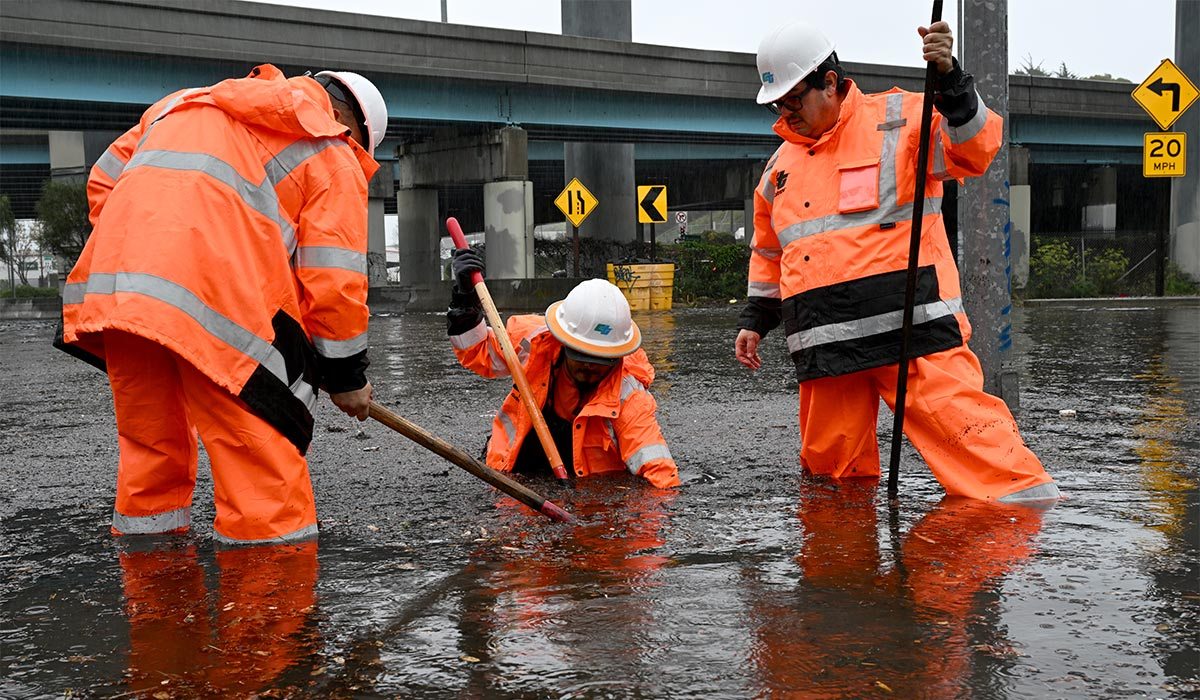
Climate scientist Rebekah Jones reportedly added: ‘I can’t emphasize enough how potentially catastrophic this El Niño will be.’
The temperature spike comes amid growing concern over the El Niño phenomenon, which forms part of a natural climate cycle known as the El Niño-Southern Oscillation (ENSO).
The cycle typically switches between warmer and cooler phases every two to seven years. During El Niño, unusually warm ocean waters can push up atmospheric temperatures, influencing weather patterns around the world and contributing to a rise in global temperatures.
Earlier this month, the World Meteorological Organisation warned that the current super El Niño was ‘off the charts’ and beginning to ‘supercharge the weather’.
António Guterres, UN Secretary-General said: ‘We have entered a new age of climate extremes.
‘A supersized El Niño is colliding with a planet already superheated by manmade climate change.
‘Climate records keep falling. The human costs keep rising. And those least responsible are suffering first and worst.’