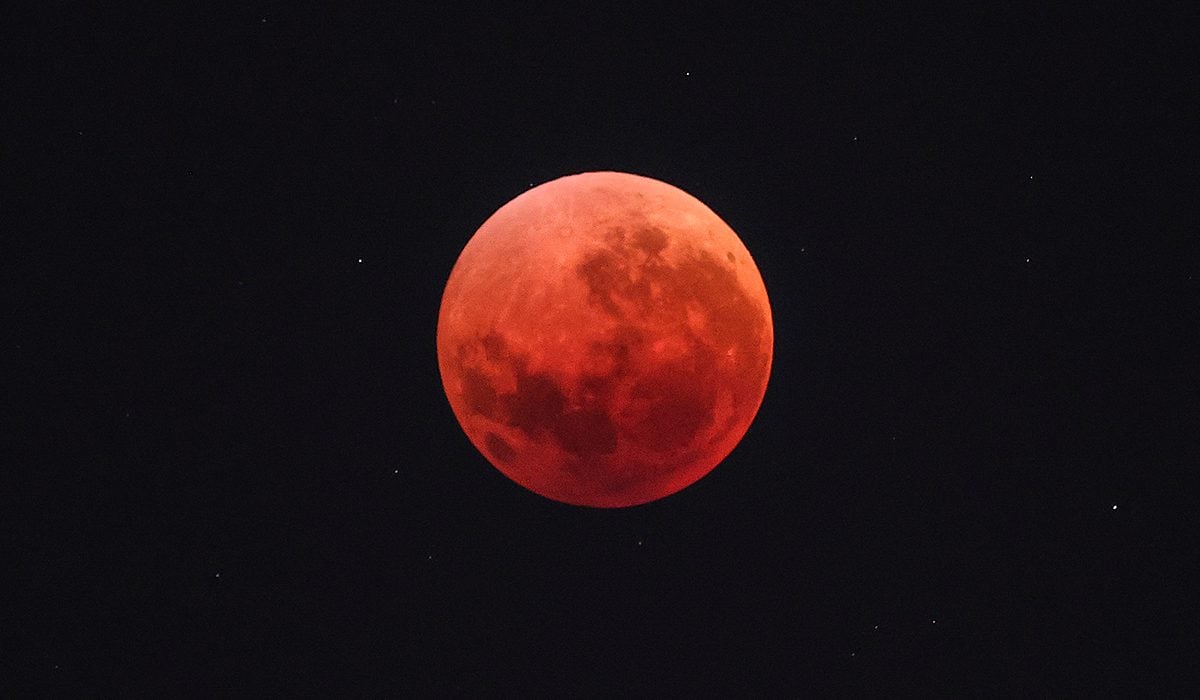

Early risers in Ireland, the UK, Europe and Africa may be rewarded with a glimpse of a lunar eclipse later this week.
The event will take place in the early hours of Friday, August 28, with a partial eclipse beginning at 3.33am as the Moon starts to disappear behind the shadow of the Earth.
While it will not be a total eclipse, only a thin sliver of the Moon should remain in direct sunlight by the time it reaches its greatest extent, shortly after 5.10am.
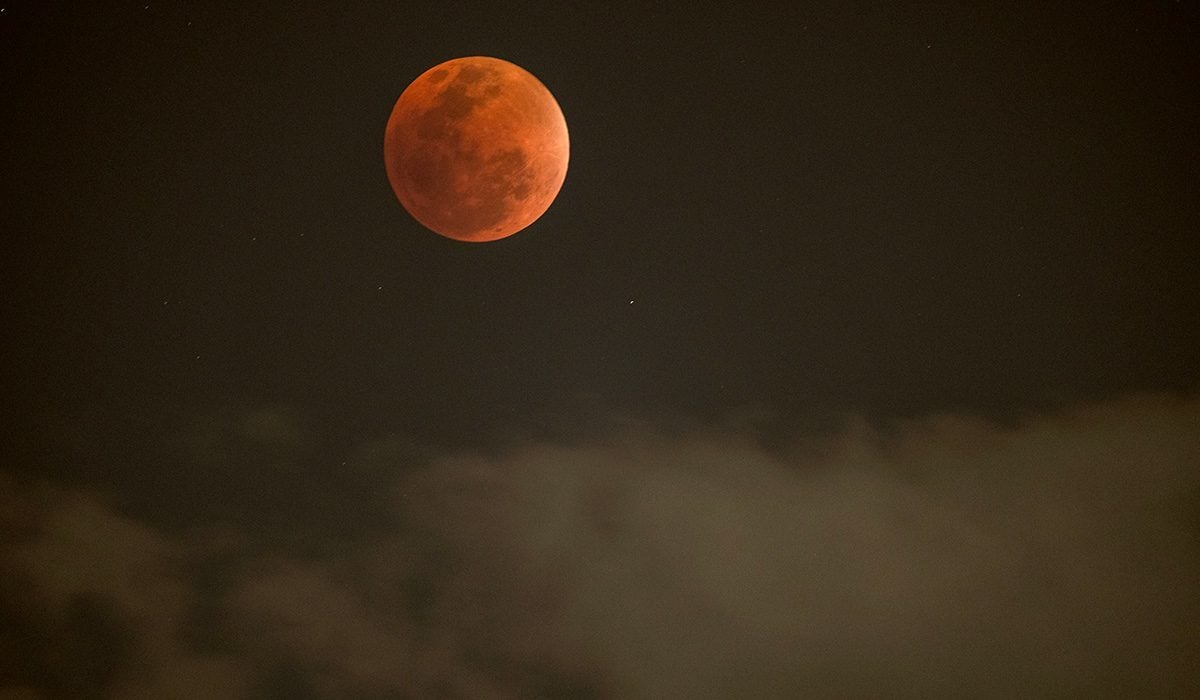
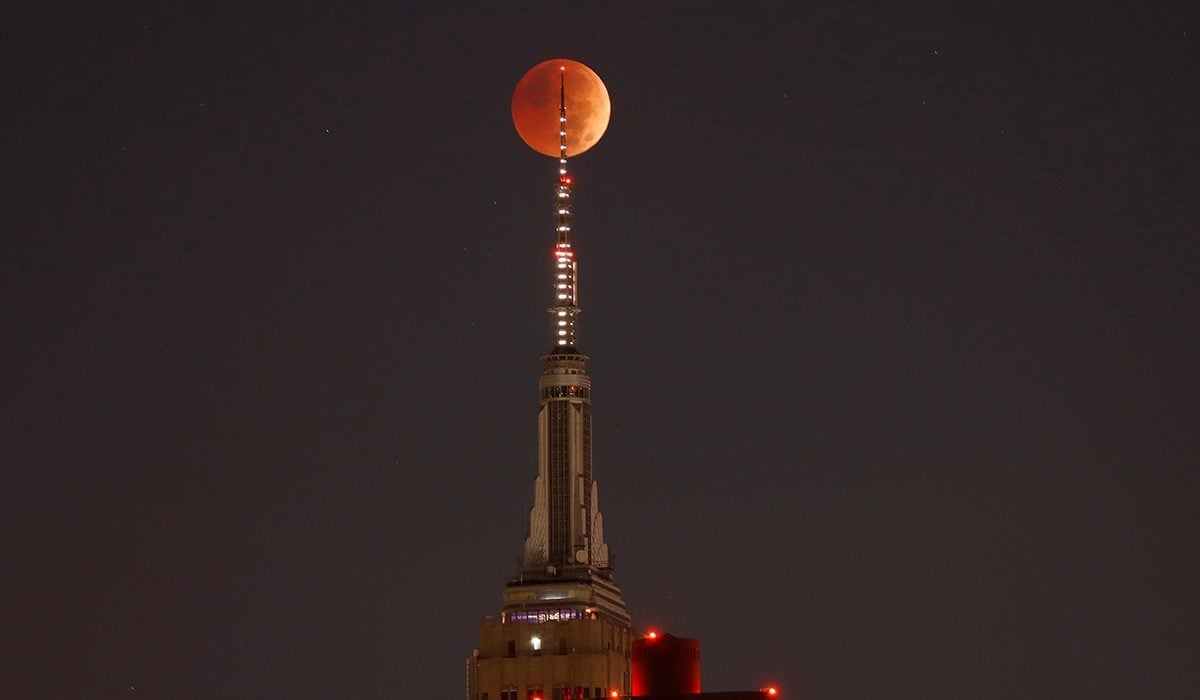
As this occurs, the rest of the Moon is set to glow a coppery red colour as sunlight filtered through the Earth’s atmosphere reaches its surface.
Experts have advised those who wish to see the phenomenon to seek an uninterrupted view towards the western horizon as the Moon will be sinking while the sun rises from the east.
A lunar eclipse is different to a solar eclipse as it is completely safe to view with the naked eye, unlike the recent event that captured much of the world’s attention on Wednesday, August 12.
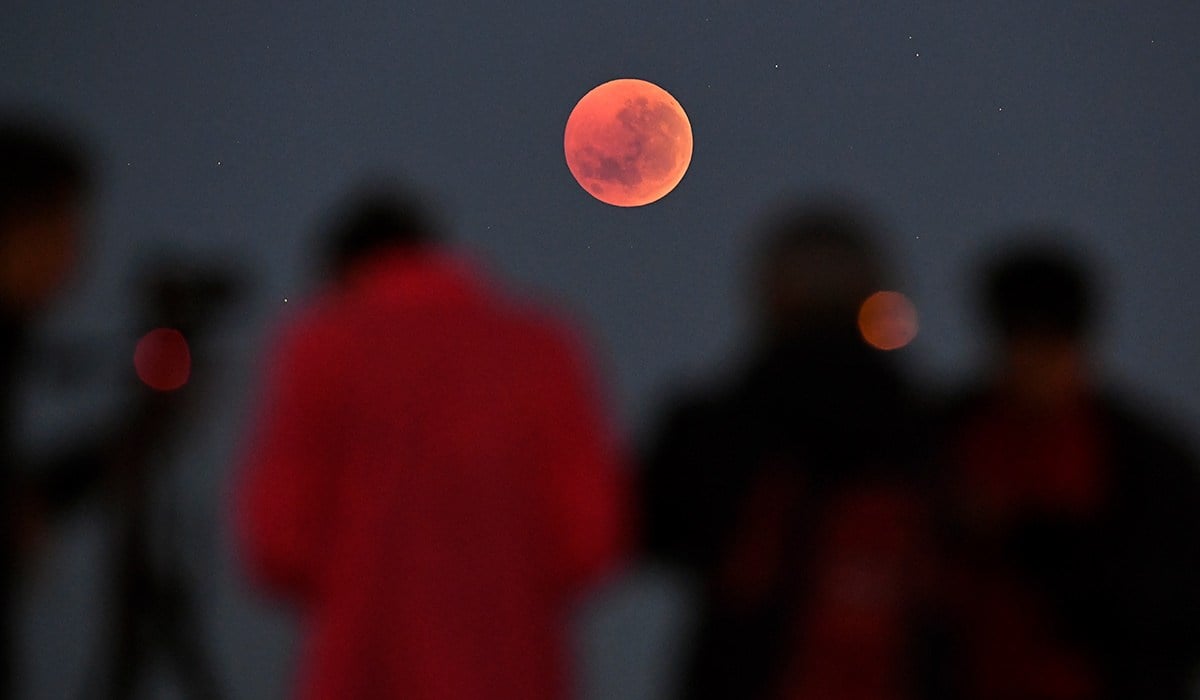
This time around, binoculars are even encouraged as they can reveal subtle shades of colour across the Moon’s surface.
Those across most of North and South America won’t have to be up early for this week’s event, instead getting to enjoy the eclipse from beginning to end late on Thursday night.
Meanwhile, observers in New Zealand won’t catch much more than its final moments much later on Friday.
According to NASA, smaller lunar eclipses will occur next year on February 20, July 18 and August 17.
The next total lunar eclipse is set to take place on December 31, 2028, likely making it a New Year’s Eve spectacle to remember.