

More than 300,000 public sector workers are set to walk off the job on Wednesday in the biggest day of national strike action in 17 years.
It is set to bring widespread disruption to hospitals, schools and public services across the country.
Here is what you need to know.
What is happening
Workers across the public sector will stage a 24-hour strike on Wednesday, October 14, in a dispute over pay.
Some union estimates put the number taking part as high as 400,000. It is the largest co-ordinated walkout since the aftermath of the financial crash, and a second strike day has already been lined up for Wednesday, October 21, if the row is not resolved.
Who is striking
The action spans almost every corner of the public service.
In health, around 11,000 workers at 30 hospitals are due to strike, with nurses and midwives, hospital consultants and doctors, and support staff all taking part.
The HSE has warned of ‘significant and widespread disruption’. In a first, the Irish Dental Association has also served strike notice.

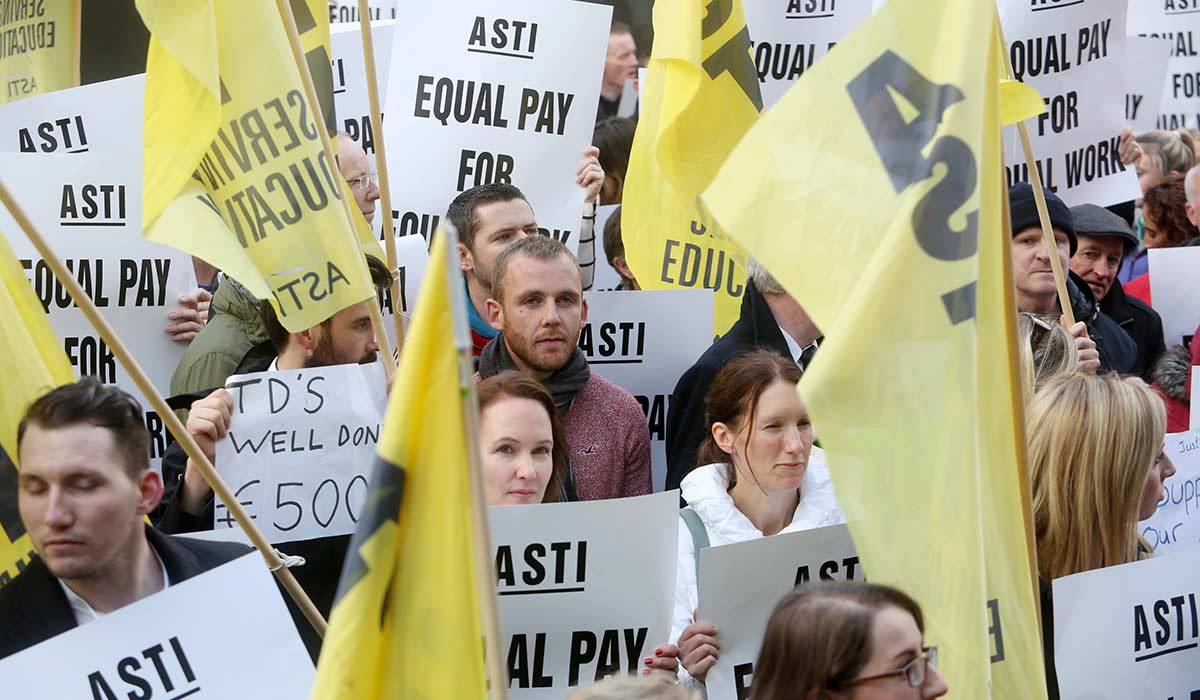
In education, teachers at primary level, through the INTO, and at second level, through the ASTI and TUI, are all taking part, along with university and college staff.
In the wider civil and public service, members of unions including Forsa, SIPTU and the Association of Higher Civil and Public Servants will join the pickets, hitting government offices and services.
What is closing
The impact will be felt almost everywhere on Wednesday.
Primary and secondary schools across the country are expected to close, with pickets outside the gates. Hospital appointments and routine procedures are being cancelled on a large scale. Universities and colleges face a full-day shutdown.
Government offices and public services will be badly disrupted, OPW heritage sites will be shut, with anyone holding a booking for the day contacted about a refund, and Leinster House is likely to close, with no Dail sitting.
What it means for you
If you have a hospital appointment on Wednesday, do not assume it is going ahead. Contact your hospital in advance, as many routine appointments and procedures are being cancelled. Emergency and life-saving care will be maintained under strike exemptions, but delays are likely.
If you have children in school, plan for both primary and secondary schools to be closed.
For other public services, from a government office to a heritage site, expect them to be closed or heavily disrupted.
Why it is happening
The strike stems from the breakdown of talks on a new public sector pay deal. The last agreement expired in June, and unions accuse the Government of failing to make a meaningful offer since then.
The €1.2 billion set aside in Budget 2027 does not go far enough against the cost of living, according to Union leaders and they have warned that if no deal is reached, the disruption could stretch on through the winter.