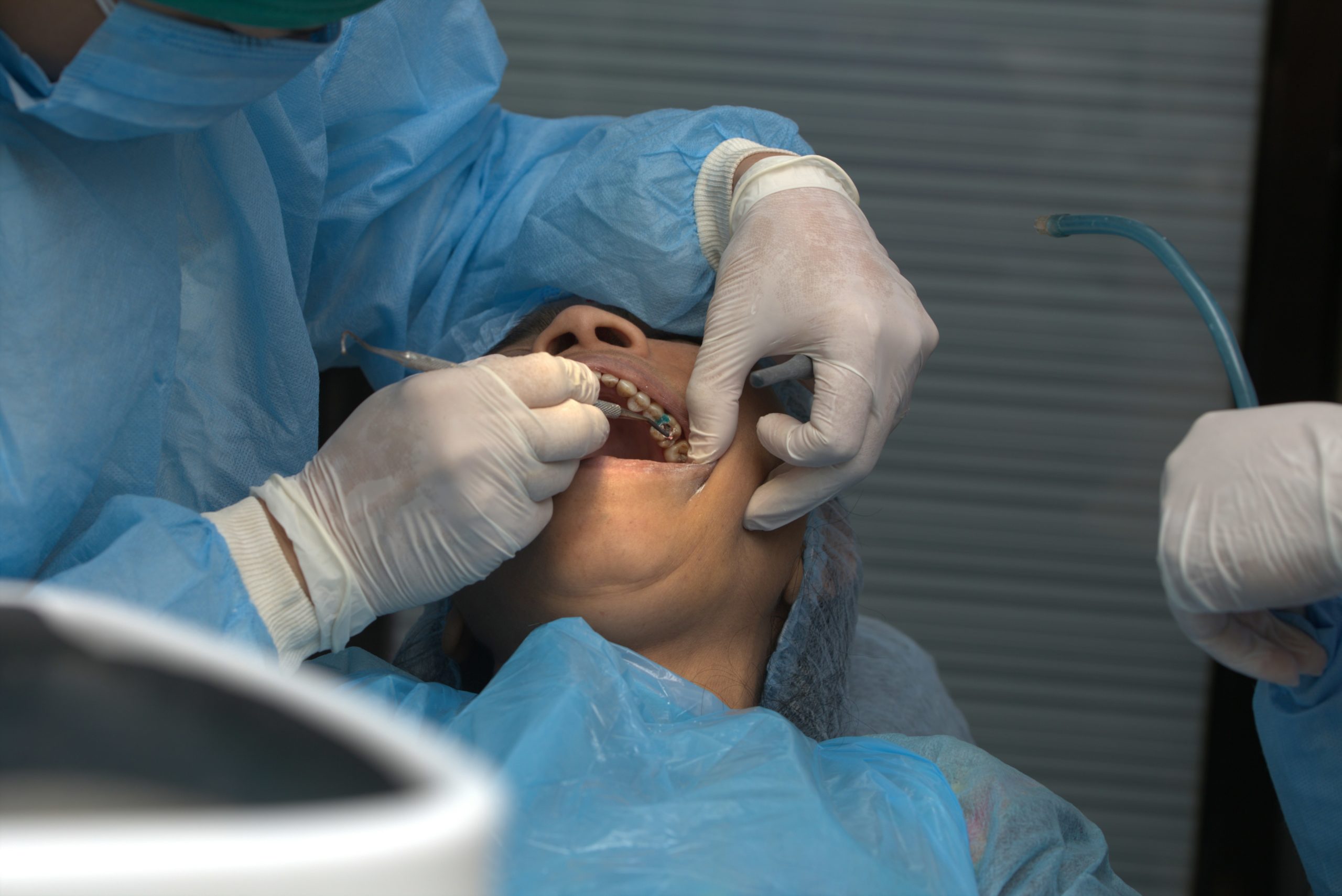

Tens of thousands of children across Ireland are missing key dental screenings, with some waiting years for care, due to an ongoing shortage of HSE dentists and mounting pressure on public dental services
Children in primary schools are meant to receive free dental screenings in second, fourth, and sixth classes, but access has been severely disrupted. In some cases, sixth-class assessments are being carried out as late as sixth year in secondary school. Labour TDs say this has left nearly 10,000 children in the mid-west alone waiting for basic dental checks, increasing the risk of untreated decay and long-term oral health issues.
The situation is particularly stark in parts of the country, such as Waterford, where staffing for children’s dental and orthodontic care has reportedly halved since 2022. The region currently has no senior dentist and no full-time orthodontist in place.
The number of HSE-employed dentists nationally has fallen by nearly one-third over the past 15 years, from 330 in 2009 to just 249 at the end of last year. According to data presented in the Dáil, only 23 HSE dentists are available across all grades in the mid-west, and just 35 in the Dublin and Midlands region.
Meanwhile, figures show a national decline in the number of children being screened. In the final quarter of 2019, more than 151,000 children were seen. By the same period last year, that figure had dropped to around 107,000.
Ministerial response on public dental services
Junior Minister for Health, Waterford TD, Mary Butler, has acknowledged the challenges, particularly the impact of the COVID-19 pandemic on dental services. In the Dáil, she said the HSE has had to prioritise sixth-class appointments in recent years to ensure children receive preventative sealants and timely referrals for orthodontic assessments.
Minister Butler outlined a series of measures the Government is taking to reform oral healthcare and improve access. These include a €230 million annual allocation to public oral health services, plus an additional €15 million in recurring and €17 million in once-off funding between 2022 and 2024. A further €2 million is being invested this year in implementing the national oral health policy Smile agus Sláinte, increasing to €4 million next year.
Part of the reform effort also involves expanding dental education and workforce planning. The Royal College of Surgeons in Ireland (RCSI) is set to launch a new Bachelor of Dental Surgery in 2025, focused on community-based clinical training. The programme is expected to increase the number of graduate dentists by 25% over time, with outreach training centres planned in underserved areas.
Minister Butler also highlighted that over 156,000 adults and children were treated under the salaried HSE oral healthcare service last year, including nearly 50,000 emergency appointments. Separately, reforms to the Dental Treatment Services Scheme (DTSS) for medical cardholders have led to increased payments to dentists and a reported rise in treatment volumes.
However, despite these measures, concerns remain. The number of dentists participating in the DTSS has dropped by almost 40% in five years, from 1,354 to just over 830. In areas like Dungarvan and wider County Waterford, medical card holders continue to report extreme difficulty accessing care, with many unable to find a participating dentist.
As the HSE and the Department of Health finalise a three-year implementation plan for oral health reform, pressure is growing for immediate, on-the-ground improvements. Parents and public representatives are calling for urgent recruitment, improved coverage of school screening programmes, and fairer access for medical cardholders.
For the latest Waterford News and Sport, tune into WLR News on the hour and download the WLR App for news on demand.