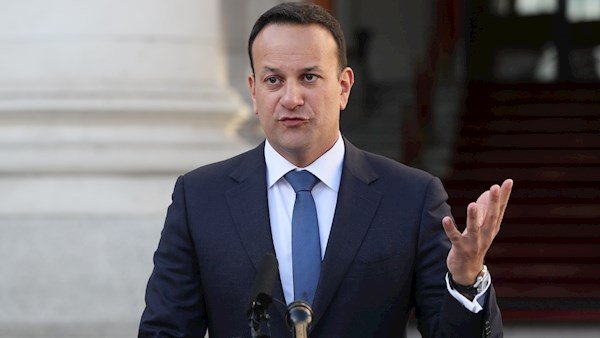

Directly elected mayors in Waterford, Cork, and Limerick, will give the cities extra clout in securing State funding, said the Taoiseach.
Leo Varadkar also said there is time over the next six weeks to convince people in these areas to vote yes on May 24 in the plebiscite for directly elected mayors, the same day as the local and European elections and the referendum on the regulation of divorce.
The committee to oversee the plebiscite public information campaign, chaired by a former judge of the High Court, Henry Abbott, launches its campaign in Dungarvan, in County Waterford today.
In an interview with the Irish Examiner ahead of the launch of Fine Gael’s yes campaign today, Mr Varadkar defended the Government’s delay in publishing information about the role and powers of the mayors.
“There are six weeks between now and May 24 and we think that is enough time for people to be informed about the proposal, because it’s not complicated,” he said.
Under the proposal, people in Waterford Cork, and Limerick, will be asked if they want directly elected mayors to assume some or all of the functions now performed by council chief executives.
The first elections will take place in 2021, with the first mayor getting a two-and-a-half-year term, and five years from 2024. The mayor would be paid €130,000, and have the right to appoint two advisers. The cost of the office could be up to €450,000 a year in each of the three areas.
Mr Varadkar said: “This is a big change. It means that if people in Waterford want it, they will get to elect their own mayor and that mayor will be accountable to the public. And if that mayor doesn’t do a good job, well, you can boot them out at the next election.
“So, essentially, it’s giving more power to an elected person over an official and it’s giving the people of Waterford the power to elect a person who will represent the city and county.