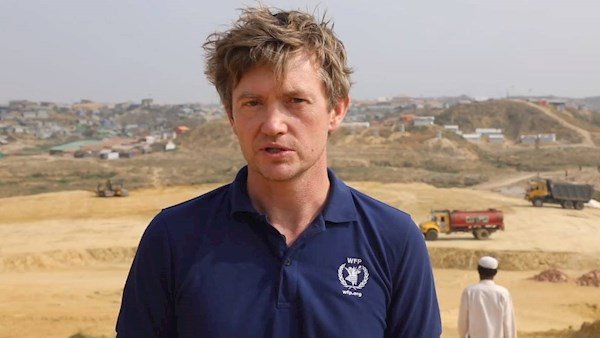

The Irishman killed in an Ethiopian Airlines crash was using his engineering expertise to do ‘life-changing work’ to bring vital aid and shelter to desperate people in the world’s trouble zones.
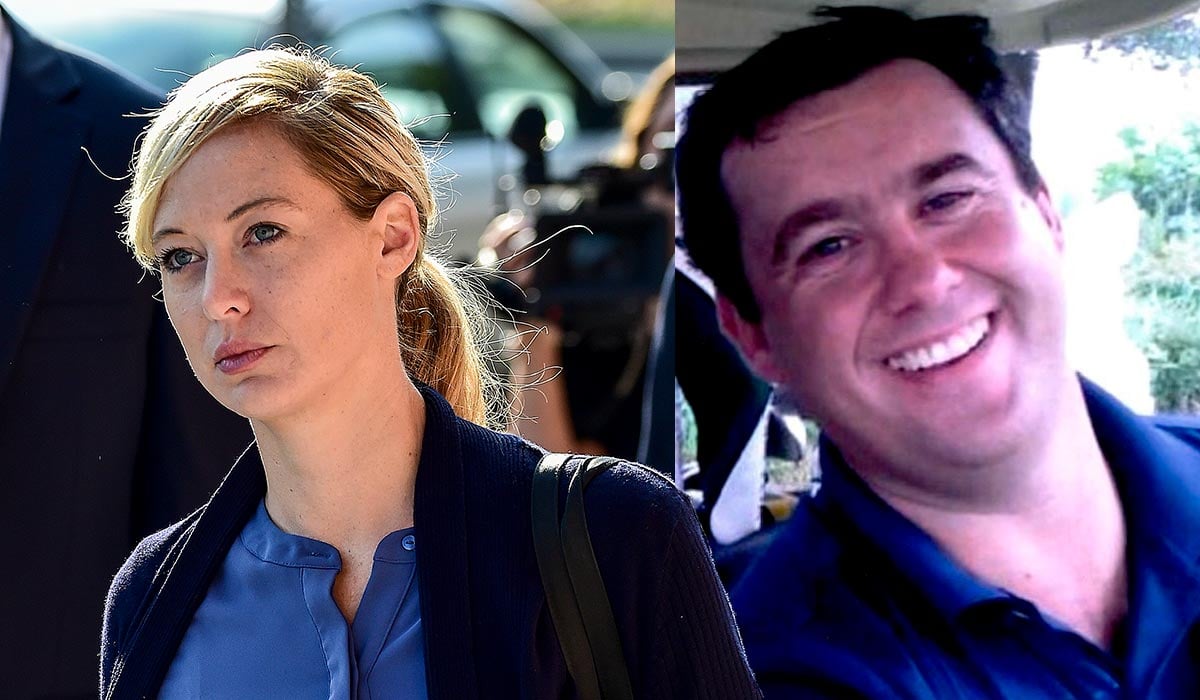
Michael “Mick” Ryan, a native of Lahinch, Co Clare, but who had also made his home in Cork, worked for the World Food Programme, where he was a deputy chief engineer.
The father of two, who was in his 40s, led a project to build secure accommodation and sanitation infrastructure for hundreds of thousands of Rohingya refugees who fled Myanmar into neighbouring Bangladesh last year.
He was at the forefront of the emergency response following the 2015 Nepal earthquake where he led teams assessing road damage and helping secure routes for food aid.
Mr Ryan was one of a group of aid specialists flying to Kenya to attend the UN Environment Assembly, which is gathering in Nairobi over five days this week.
They were among 157 people who died when the Ethiopian Airlines flight crashed shortly after take-off from Ethiopian capital Addis Ababa yesterday morning. The deceased were from 33 different countries and there were no survivors.
The plane contained passengers from more than 30 nationalities. According to the airline, Kenya had 32, Canada 18, Ethiopia nine, Italy, China, and the US eight each, the UK and France seven each, Egypt six, the Netherlands five, India and Slovakia four each, Sweden and Russia three each, and other countries one or two.
The Department of Foreign Affairs said it was aware of the tragedy and was offering consular assistance. Enterprise Minister Heather Humphreys expressed her condolences.
“I am very sorry to hear about the Ethiopian Airlines plane that crashed this morning,” she said. “Just to say that our thoughts are with the families and the Department of Foreign Affairs remains ready to act in any way that they can and give any support that they can to the families.”
Ethiopian Airlines said it would provide all necessary support to the families of the victims and pledged a full and open investigation.
The plane, a Boeing 737, was only recently built, had undergone a full maintenance check five weeks ago, and had flown to Addis from Johannesburg without incident some hours before the crash.
However, it was the same type of aircraft that crashed in Indonesia last October, killing all 189 people on board.
That Lion Air flight also went down shortly after take-off.
It is understood the Ethiopian Airlines pilot reported a problem and had requested permission to return to Addis when the plane went down.
David Beasley, executive director of the World Food Programme, confirmed that Mr Ryan was one of seven WFP staff on board who lost their lives in the crash.
He said each had been “willing to travel and work far from their homes and loved ones to help make the world a better place in which to live”.
“The WFP family mourns today. We will do all that is humanly possible to help the families at this painful time,” he said.
 David Beasley
✔@WFPChief
The WFP family mourns today — @WFP staff were among those aboard the Ethiopian Airlines flight. We will do all that is humanly possible to help the families at this painful time. Please keep them in your thoughts and prayers.
It is believed Mr Ryan, his wife Naoise, and their children had been due to relocate to Rome in the coming weeks.
Justice Minister Charlie Flanagan tweeted: “Thoughts & prayers with families of Ethiopian air crash victims but thinking especially of Ryan family from Clare. Michael was committed to the highest ideals of fighting world poverty & providing food for all. Condolences to his family & friends at all at Rome HQ.”
Last night, Taoiseach Leo Varadkar said: “Our thoughts tonight are with families of all those lost in the Ethiopian Airlines crash, including Irish engineer Michael Ryan. Michael was doing life-changing work in Africa with the World Food Programme. Deepest sympathies to family, colleagues and friends.”
 Leo Varadkar
✔@campaignforleo
Our thoughts tonight are with families of all those lost in the Ethiopian Airlines crash, including Irish engineer Michael Ryan. Michael was doing life-changing work in Africa with the World Food Programme. Deepest sympathies to family, colleagues & friends
The pilot had sent out a distress call and was given the all clear to return, according to the airline’s chief executive, Tewolde Gebremariam.
Senior captain Yared Getachew had a “commendable performance”, the airline said.
The plane had undergone a “rigorous” testing on February 4, a statement continued.
Records show the plane was new and delivered to the airline as recently as November.
By Caroline O’Doherty and Elaine Loughlin – Irish Examiner