
The fuel crisis impact on Waterford’s roads programme has come under scrutiny, with councillors warning that rising costs and shortages could force cutbacks to planned works across the county.
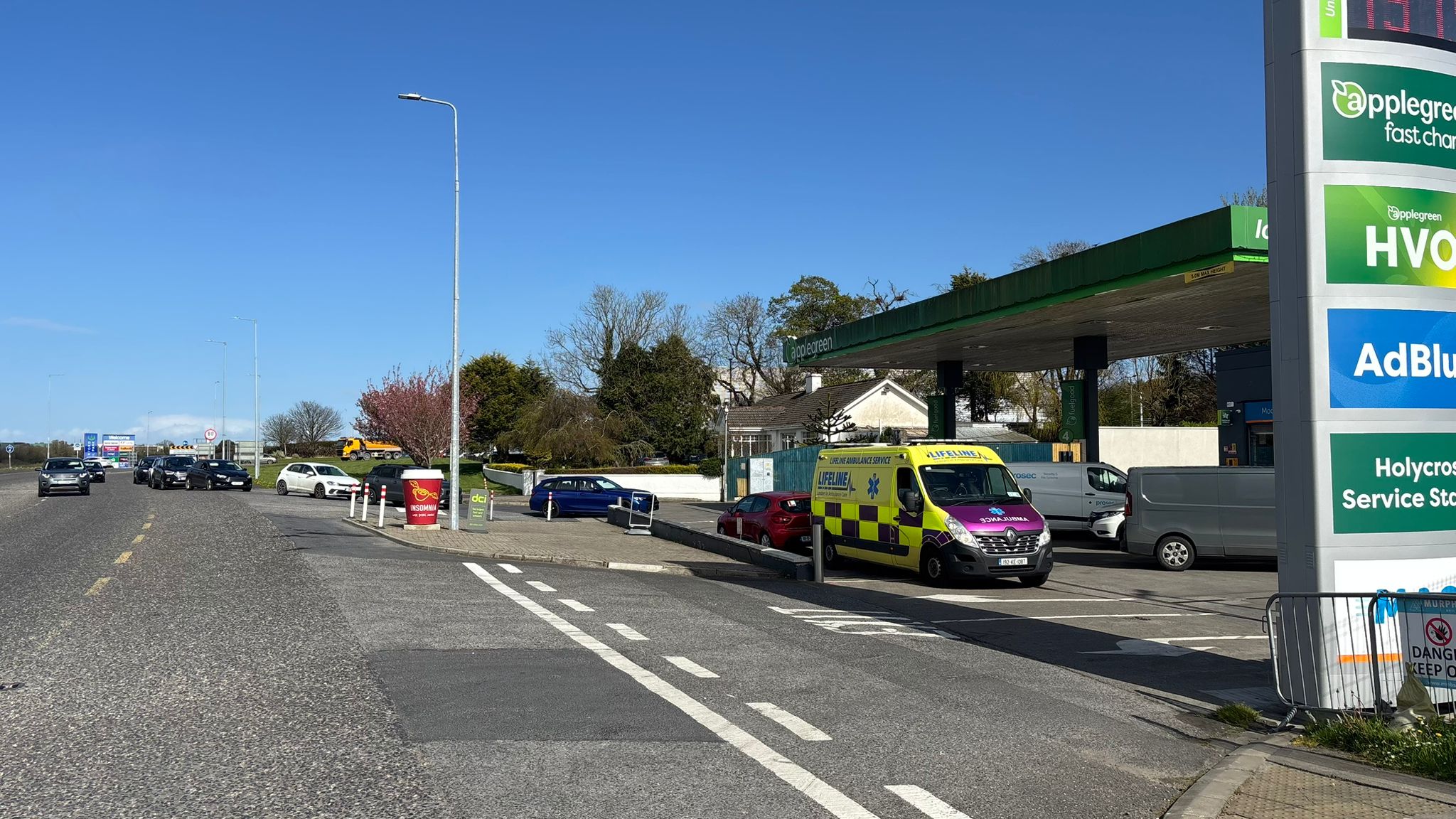
At a recent plenary meeting of Waterford City and County Council, Labour councillor Thomas Phelan raised concerns after witnessing long queues at filling stations across the city.
He questioned whether the council had sufficient fuel supplies and asked if rising prices were already affecting the local authority’s budget.
“And in relation to finances, one I suppose is quite topical… I passed several filling stations with long queues outside,” he said.
“Are we okay in terms of our own fuel supply… and is it making a significant negative impact on our budgetary outlook?”
Councillors warn of potential cutbacks
Councillor Joe Kelly also raised concerns about how the fuel crisis impact could affect planned works.
He suggested that if costs continue to rise, the council may have no choice but to scale back projects.
“Is it the plan that the extensive works already planned… will be cut back to compensate?” he asked.
“You might have a thousand or two thousand metres of road… and that now must become less.”
Council confirms rising costs and limited supply
Responding to the concerns, Director of Services for Roads Gabriel Hynes confirmed that the council is already feeling the effects of the fuel crisis impact.
He said the local authority currently has between a week and ten days of fuel supply available, with demand at its highest due to peak roadworks season.
“In relation to fuel… we roughly have a week, maybe 10 days supply,” he said.
“We’re at the peak of our roadworks programme, so demand at this time of the year is at its peak as well.”
Hynes also revealed that fuel prices have increased by around 30% since January, significantly affecting operational costs.
“We have 250 vehicles approximately operating, so we have a significant fuel demand,” he said.
Wider cost pressures affecting roadworks
The rising costs extend beyond fuel, with Hynes warning that materials such as bitumen and macadam have also seen increases of over 30%.
He confirmed that the council has already notified the Department of these pressures and is seeking guidance on how to proceed.
“If our cost of bitumen and fuel have gone up 30%, then our cost of delivery per square metre… has to be reduced or we have to get an additional allocation,” he said.
Hynes warned that without additional funding, the council may need to reduce the length or scale of roadworks projects.
Department discussions ongoing
A Department inspector is due to visit Waterford next week to discuss the situation and determine what supports may be available.
Hynes noted that during previous crises, such as the war in Ukraine, the Department provided compensation for rising costs.
However, he stressed that the council must continue to operate within its existing budget unless further funding is secured.
Calls for remote working dismissed for now
Meanwhile, councillors also discussed potential measures to ease pressure on fuel demand.
One suggestion included encouraging remote working where possible. However, council officials said it would be premature to move meetings online in response to the current situation.
Officials pointed to the need for alignment with national policy and highlighted the investment already made in in-person meeting infrastructure.
Situation continues to evolve
As the fuel crisis impact continues to develop, council officials say the situation remains fluid.
Councillors are expected to receive further updates at upcoming district meetings, where any changes to planned roadworks programmes will be outlined.
For now, the message remains clear: rising fuel costs and tightening supplies could have a direct impact on infrastructure projects across Waterford in the months ahead.
For the latest Waterford News and Sport, tune into WLR News on the hour and download the WLR App for news on demand.