Is there a channel for Brookside to thrive?

Damien Tiernan
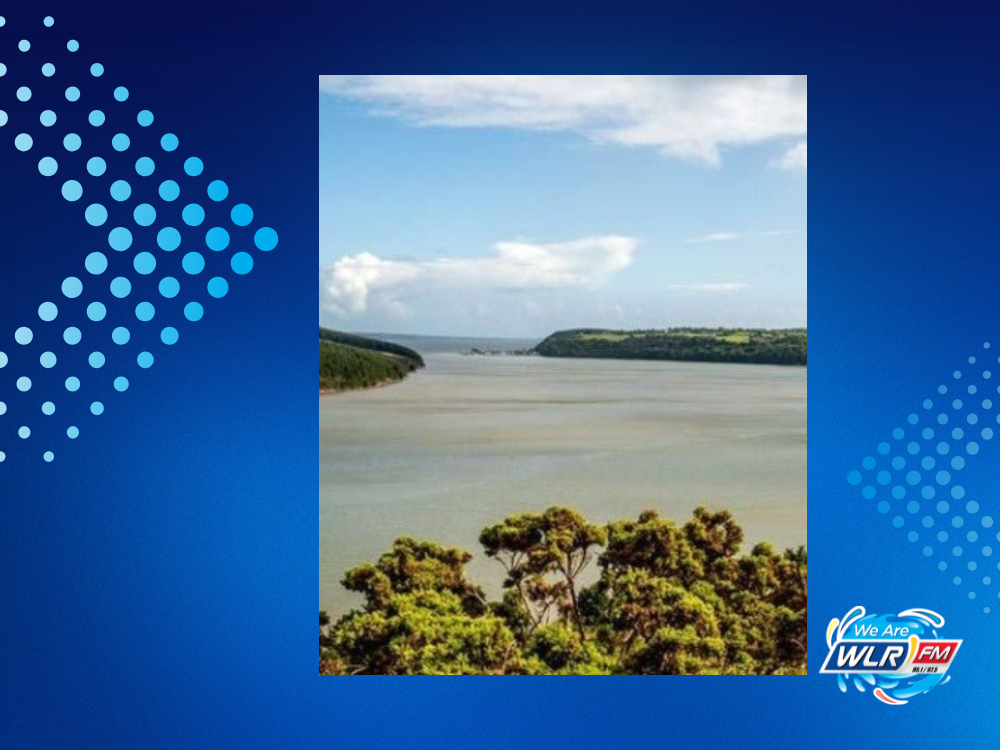
Passage East, Co. Waterford — A sense of resilience runs deep in the historic seaside village of Passage East, but over the past two weeks that resolve has been severely tested.
More than 20 homes suffered varying levels of damage following significant flooding along the Brookside area, leaving residents frustrated, anxious, and calling for immediate government intervention.
For locals, the flooding has become a recurring crisis impacting homes, livelihoods, and peace of mind.
A Village Steeped in History Faces a Modern Threat
Passage East has witnessed centuries of momentous events. Strongbow’s armies marched through its narrow ways; King John of England arrived in 1394 with a fleet of 700 ships; Cromwell himself landed here in 1649, moving his forces up the very brook that now threatens the village.
The village has seen everything from 18th‑century uprisings to the arrival of Spanish goats that still roam the Red Hill.
Generations of fishermen left its harbour seeking new lives abroad, while others were mourned after tragedies at sea.
But the modern challenge is something those earlier figures never faced: climate‑driven extreme weather.
The brook that channels water from the hills and carries it underground toward the quay has become increasingly unpredictable.
Despite the flood barriers installed along the quayside in 2016, inland flooding remains a threat — and insurers still classify Passage East as a red zone.
Government Ministers Arrive — and Residents Want Answers
At the weekend, Minister of State Kevin “Boxer” Moran visited Passage East for the first time, accompanied by Minister of State Mary Butler.
Local TDs John Cummins and David Cullinane, county councillors, and Waterford City & County Council officials also attended a packed public meeting in the Community Centre — the former fish smokehouse.
Residents welcomed the turnout but were direct in their demands:
“The Government hasn’t outlined in the Programme for Government any specific plan to deal with more flooding.”
“The lack of insurance cover is ridiculous.”
Concerns centered on fairness, insurance practices, and government responsibility. Many questioned why homeowners should bear the cost of flooding they did not cause, or why some Red Cross representatives indicated that claims for damaged floorboards and doors would not be covered under emergency funding schemes.
Income‑tested supports, unclear definitions of “essential contents,” and the requirement for uninsured households to contribute the first €2,000 toward government‑allowable repairs left many feeling abandoned.
A €2 Million Problem — With No Clear Path Forward Yet
Remedial works to prevent future flooding at the Brookside may cost up to €2 million. Yet fewer than five years ago, a council application for €750,000 in flood‑prevention funding was declined.
Even with completed quay‑side barriers from 2016 that successfully protect against tidal flooding, insurance companies have not updated their risk models. Residents say the sector’s geo‑coding systems unfairly treat all homes in Passage — and in other areas such as Poleberry in Waterford City — as high‑risk regardless of modern protections.
At the quayside, reporters pressed the ministers on whether these insurance practices were fair, and whether government would intervene. Questions also focused on mortgage implications for apartment complexes or homes without flood cover.
A Proven Insurance Solution — But No Irish Equivalent
Residents and journalists highlighted the British “Flood Re” model — a not‑for‑profit scheme funded by a small levy on insurance policies. Since 2016, it has collected around £180 million annually and supported approximately 350,000 properties that would otherwise struggle to get flood insurance.
Most of the same insurers operate in Ireland, meaning a similar model could be implemented here with relative ease. Although once suggested by former Minister Phil Hogan, the proposal never progressed.
Minister Moran told attendees he will raise the issue with Minister of State Robert Troy. Meanwhile, MEP Billy Kelleher has renewed calls for Ireland to establish its own version of Flood Re.
After the ministers, officials, and reporters departed on Sunday, the people of Passage East were left with more questions than answers. They appreciated the attention — but they want action.
They want investment in flood mitigation, fair insurance markets and a government that will actually help.
As the quiet brook bubbled its way toward the quay — the same brook Cromwell once walked beside — residents wondered how such a modest stream could cause such long‑running devastation. High on Red Hill, one of the village’s famous goats stood watch, offering a gruff reminder that nature, history and community spirit endure even when solutions are slow to arrive.