
Stroke mortality rates are at their lowest level in Ireland.
Minister for Health Simon Harris published the fifth report of the National Healthcare Quality Reporting System on Monday, outlining a range of improvements in the health of the nation.
Key points include heart failure and asthma hospitalisation rates being below international averages, while antibiotic consumption is decreasing.
The report highlights a number of improvements in the health service over the past year, including a significant reduction in mortality rates for strokes, increased screening rates for CPE and improved uptake in bowel cancer screening.
It also shows room for improvement, including in the area of vaccination.
Uptake of the influenza vaccine among over-65s and healthcare workers is still not meeting national targets.
The department also noted “worrying trends” on the issue of Benzodiazepine medicine as figures for the first time show usage in people over 65 years is high as compared to internationally reported averages.
Benzodiazepines are a type of psychoactive drug used to treat a range of conditions including anxiety and insomnia.
Long-term use of the drug is controversial because of the potential for tolerance and dependence, as well as the possibility of overdose, while mixing them with alcohol or other substances can be fatal.
Speaking as the report was published, Mr Harris said: “It is important that we use this report to highlight the areas of healthcare that are performing well.
“We also must review areas where we can perform better, examine possible causes and take follow-up actions.
“For example, there are improvements to be made in our immunisation rates.”
Meanwhile, it’s emerged in a report by the Irish Independent newspaper that a patient’s risk of dying after a heart attack or stroke varies significantly depending on their hospital.
On average around 5 in every 100 heart attack victims don’t survive.
Our Lady’s Hospital Navan and St Luke’s Hospital Kilkenny had the lowest heart attack mortality rates, while nearly 9 in every 100 heart attack victims who attend Bantry General or Portiuncula Hospital die within 30 days of admission.
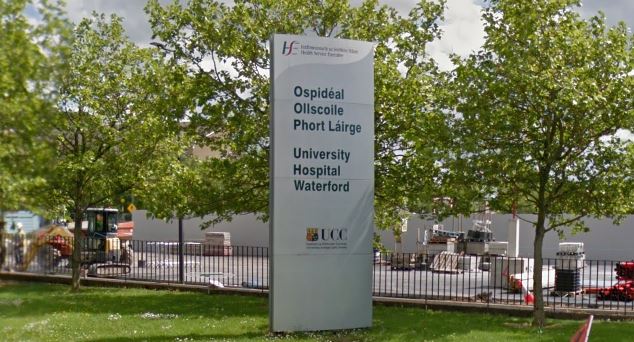
The figure for University Hospital Waterford is 6.85, this is higher than the national average of 5.29 deaths per 100 patients.
The figures are compiled by the National Healthcare Quality Reporting System which also shows variations in death rates from the most common form of stoke.
While St Luke’s in Kilkenny had a low heart attack mortality rate, it had the highest rate of death following a stroke.
Around 13 in every 100 stoke victims who attend the hospital die, almost double the national average which is just over 7.
The lowest rates were in St James’ in Dublin, Mercy Hospital in Cork and University Hospital Waterford, with 5.31 deaths per 100.